

Key Strategies for Building a Successful Subscription-Based Business
A guide to building a successful subscription-based business, including tips for customer retention and revenue growth.
KEY TAKEAWAYS
- Understanding the subscription-based business model is essential to building a successful business strategy.
- Choosing the right subscription model is critical for attracting and retaining subscribers.
- Building a subscription-based business involves establishing a target market, creating a pricing strategy, and building a website or platform.
- Retaining subscribers is crucial for maintaining recurring revenue and customer loyalty.
- Scaling the business through expanding product offerings and entering new markets is essential for long-term success.
In today’s ever-changing business landscape, subscription-based businesses are becoming increasingly popular. With the ability to generate recurring revenue, a subscription business model has the potential to provide a steady stream of income while creating a loyal customer base. However, building and maintaining a successful subscription-based business requires careful planning and execution. Key factors such as pricing strategies, marketing techniques, and customer retention play crucial roles in ensuring the longevity of the business. This article will explore the essential components of building a successful subscription-based business. The article will discuss the benefits of recurring revenue, delve into the importance of customer retention, and offer strategies for scaling and maximizing customer lifetime value. Whether you’re a startup looking to launch a subscription-based business or an established business seeking to expand your offerings, this article will provide you with the insights you need to succeed in the competitive world of subscription-based businesses.
Understanding the Subscription-Based Business Model
The subscription-based business model is a popular revenue generation method that has gained significant momentum in recent years. It involves charging customers a recurring fee in exchange for access to a product or service. This model has been used by various industries, including media, software, and e-commerce, to build successful businesses. This section will discuss the definition of the subscription-based business model, its advantages and disadvantages, and some examples of successful subscription-based businesses.
- Definition of the subscription-based business model
A subscription-based business model is a revenue generation method that involves charging customers a recurring fee in exchange for access to a product or service. The fees can be charged monthly, quarterly, or annually, depending on the business’s preferences. The subscription model is based on the concept of recurring revenue, where customers pay a fixed fee over a predetermined period. This model allows businesses to have predictable revenue streams, making it easier to plan and budget for the future.
- Advantages and disadvantages of the subscription-based business model
Advantages:
- Recurring revenue: This is one of the significant advantages of the subscription-based business model. The model generates predictable revenue, providing businesses with a stable income stream.
- Customer retention: The subscription-based business model fosters customer loyalty, as customers are more likely to remain subscribed to a service they regularly use.
- Flexibility: Businesses can tailor their subscription plans to meet the needs of their customers, offering different levels of service at different price points.
- Cost savings: With a subscription-based business model, businesses can save on marketing and customer acquisition costs, as they already have a captive audience.
Disadvantages:
Revenue volatility: While the subscription model generates predictable revenue, it can be affected by customer churn, where customers cancel their subscriptions, leading to a decrease in revenue.
Customer acquisition: The subscription model requires businesses to continually attract new customers to maintain revenue streams, making customer acquisition a significant challenge.
Pricing: Pricing is a critical component of the subscription-based business model. If the pricing is too high, customers may cancel their subscriptions, and if it’s too low, the business may not be profitable.
- Examples of successful subscription-based businesses
- Netflix: A popular media streaming service that charges users a monthly fee in exchange for unlimited access to its vast library of movies and TV shows.
- Dollar Shave Club: A subscription-based service that delivers razors and other grooming products to customers on a monthly basis.
- Spotify: A music streaming service that offers users access to millions of songs for a monthly fee.
- Blue Apron: A meal delivery service that sends customers ingredients and recipes for preparing meals at home.
- BarkBox: A subscription-based service that delivers monthly boxes of dog toys and treats to pet owners.
Overall, the subscription-based business model is an effective revenue generation method that can provide businesses with predictable revenue streams, foster customer loyalty, and offer flexibility in pricing and services. However, businesses must be aware of the potential disadvantages of this model, such as revenue volatility and customer acquisition costs. By understanding the benefits and drawbacks of the subscription-based business model, businesses can effectively leverage it to create a successful and sustainable business.
Shopify
Choosing the Right Subscription Model
Choosing the right subscription model is a critical component of building a successful subscription-based business. The subscription model chosen should align with the business’s goals and objectives, and provide the best value to customers. This section will discuss the different types of subscription models, the factors to consider when choosing a subscription model, and real-world scenarios of successful subscription-based businesses.
- Different Types of subscription models
There are several types of subscription models, each with its unique characteristics. The most popular subscription models are:
- Box Subscription Model: This model involves delivering a box of curated items to subscribers on a regular basis. Box subscription services have become popular in recent years, with companies such as Birchbox and FabFitFun leading the way.
- Membership Subscription Model: This model involves offering exclusive perks and benefits to members, such as early access to new products, discounts, and free shipping. Amazon Prime is an example of a successful membership-based subscription model.
- Software-as-a-Service (SaaS) Subscription Model: This model involves providing software applications to subscribers through the cloud. Companies such as Salesforce and Adobe have built successful businesses using the SaaS subscription model.
- Factors to consider when choosing a subscription model
When choosing a subscription model, businesses should consider the following factors:
- Target audience: The subscription model should align with the target audience’s preferences and needs. For example, a box subscription model may not be suitable for a B2B software company.
- Cost structure: The cost structure of the subscription model should be carefully considered to ensure that it is profitable and sustainable.
- Value proposition: The subscription model should provide value to customers, offering them a unique benefit or service that they cannot obtain elsewhere.
- Customer retention: The subscription model should foster customer retention, providing customers with an incentive to remain subscribed.
- Real-world scenarios
- Dollar Shave Club: Dollar Shave Club’s subscription model delivers razors and other grooming products to subscribers on a regular basis. The company’s subscription model provides customers with convenience and cost savings, while also fostering customer loyalty.
- LinkedIn Premium: LinkedIn Premium’s subscription model provides members with exclusive features, such as enhanced search filters and messaging capabilities. The subscription model caters to professionals looking to gain a competitive edge in the job market.
Adobe Creative Cloud: Adobe Creative Cloud’s subscription model provides access to a suite of software applications used by graphic designers, photographers, and videographers. The SaaS subscription model provides customers with the flexibility to use the applications they need, while also generating recurring revenue for Adobe.
Choosing the right subscription model is a crucial step in building a successful subscription-based business. The subscription model chosen should align with the business’s goals and objectives, provide value to customers, and foster customer retention. By considering factors such as target audience, cost structure, value proposition, and customer retention, businesses can choose the right subscription model for their needs. Real-world scenarios, such as Dollar Shave Club, LinkedIn Premium, and Adobe Creative Cloud, provide examples of successful subscription-based businesses that have leveraged the right subscription model to generate recurring revenue and foster customer loyalty.
Building a Subscription-Based Business
Building a successful subscription-based business requires careful planning and execution. This section will discuss the key steps involved in building a subscription-based business, including establishing a target market, creating a subscription pricing strategy, building a subscription website or platform, and real-world scenarios of successful subscription-based businesses.
- Establishing a target market
Establishing a target market is the first step in building a successful subscription-based business. Businesses should conduct market research to identify their target audience’s needs, preferences, and pain points. By understanding their target audience, businesses can tailor their subscription offering to provide the most value and appeal to their target market.
- Creating a subscription pricing strategy
Creating a subscription pricing strategy is essential to building a profitable and sustainable subscription-based business. The pricing strategy should align with the business’s goals and objectives, while also providing value to customers. Factors to consider when creating a subscription pricing strategy include the cost of goods sold, customer acquisition costs, and customer lifetime value.
- Building a subscription website or platform
Building a subscription website or platform is critical to building a successful subscription-based business. The website or platform should be user-friendly, visually appealing, and provide a seamless customer experience. Key features to consider when building a subscription website or platform include subscription management, payment processing, and customer support.
- Real-world scenarios
- Netflix: Netflix is a prime example of a successful subscription-based business. The company’s subscription model provides customers with access to a vast library of movies and TV shows, with a pricing strategy that caters to different customer segments. Netflix’s website and platform provide a seamless customer experience, with features such as personalized recommendations and easy account management.

Netflix
- BarkBox: BarkBox is a subscription-based business that delivers monthly boxes of dog toys and treats to subscribers. The company’s subscription model caters to dog owners looking for a convenient and cost-effective way to provide their pets with new toys and treats. BarkBox’s website and platform provide a user-friendly experience, with features such as easy subscription management and personalized product recommendations.

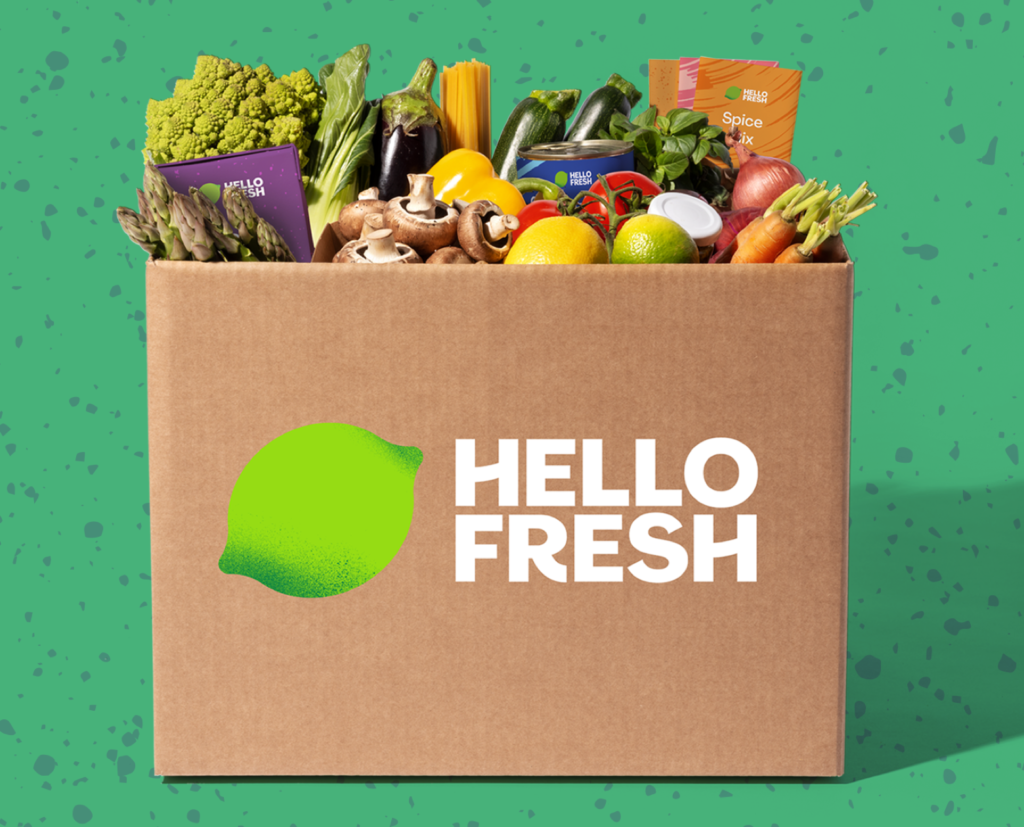
- HelloFresh: HelloFresh is a meal kit delivery service that provides subscribers with pre-measured ingredients and recipes. The company’s subscription model caters to busy professionals looking for a convenient and healthy meal solution. HelloFresh’s website and platform provide a seamless customer experience, with features such as easy recipe selection and flexible subscription management.
Building a successful subscription-based business requires careful planning and execution. Key steps involved in building a subscription-based business include establishing a target market, creating a subscription pricing strategy, building a subscription website or platform, and leveraging real-world scenarios of successful subscription-based businesses as examples. By following these steps and focusing on factors such as customer retention, businesses can build a profitable and sustainable subscription-based business model.

Shopify
Retaining Subscribers
Retaining subscribers is crucial for the success of any subscription-based business. This section will discuss the importance of retaining subscribers, strategies for retaining subscribers, and real-world scenarios of successful subscriber retention.
- Importance of retaining subscribers
Retaining subscribers is essential for subscription-based businesses to maintain a steady stream of recurring revenue. In addition to revenue, loyal subscribers can also serve as brand advocates, spreading the word about a business’s subscription offering to their networks. Retaining subscribers also reduces the costs associated with acquiring new customers.
- Strategies for retaining subscribers
There are several strategies that subscription-based businesses can use to retain subscribers, including personalization, exclusivity, and perks. Personalization involves tailoring the subscription experience to the individual subscriber’s preferences and needs. Exclusivity can be achieved by offering unique and limited-edition products or services to subscribers. Perks such as discounts, early access, and free gifts can also incentivize subscribers to remain loyal.
- Real-world scenarios
- Amazon Prime: Amazon Prime is a subscription-based service that offers customers free shipping, streaming of movies, TV shows, and music, and exclusive access to deals and discounts. Amazon’s personalization algorithms recommend products and services based on the customer’s search history and purchase behavior. This strategy has helped Amazon retain subscribers by providing a highly personalized and convenient experience.
- Peloton: Peloton is a subscription-based fitness equipment and content company. In addition to offering personalized workout plans, Peloton’s exclusive content and community events create a sense of exclusivity among subscribers. Peloton also offers perks such as free access to the Peloton app for family members and friends, further incentivizing subscribers to remain loyal.
- Dollar Shave Club: Dollar Shave Club is a subscription-based grooming company that offers subscribers high-quality razors and grooming products. The company’s exclusivity is achieved by offering unique and affordable products that cannot be found in traditional retail stores. Dollar Shave Club also offers perks such as personalized grooming advice and free samples, helping to retain subscribers.
Retaining subscribers is crucial for the success of subscription-based businesses. By focusing on strategies such as personalization, exclusivity, and perks, businesses can incentivize subscribers to remain loyal and maintain a steady stream of recurring revenue. Real-world scenarios such as Amazon Prime, Peloton, and Dollar Shave Club provide examples of successful subscriber retention strategies in action. By prioritizing customer retention, subscription-based businesses can build a sustainable and profitable business model.
Scaling the Business
Scaling a subscription-based business involves expanding the business’s offerings and customer base to increase revenue and profitability. This section will discuss the importance of scaling, strategies for scaling, and real-world scenarios of successful business scaling.
- Importance of scaling
Scaling is essential for subscription-based businesses to achieve long-term success. Scaling can increase revenue, profitability, and market share, while also reducing costs per subscriber. Scaling also provides the opportunity to diversify the business’s offerings and enter new markets, reducing the business’s reliance on a single product or market.
- Strategies for scaling
There are several strategies that subscription-based businesses can use to scale, including expanding product or service offerings and entering new markets. Expanding product or service offerings can involve introducing new subscription tiers, offering add-on services or products, or developing complementary products. Entering new markets can involve expanding geographically or targeting new customer segments.
- Real-world scenarios
- Netflix: Netflix is a subscription-based streaming service that has successfully scaled its business by expanding its offerings and entering new markets. Netflix has expanded its content offerings to include original programming and has entered new markets such as India and Japan. By diversifying its offerings and targeting new markets, Netflix has increased its subscriber base and revenue.
- Blue Apron: Blue Apron is a subscription-based meal delivery service that has scaled its business by expanding its product offerings. In addition to offering meal kits, Blue Apron has introduced a wine delivery service and a marketplace for kitchen tools and gadgets. By expanding its product offerings, Blue Apron has increased revenue and reduced its reliance on a single product.
- Spotify: Spotify is a subscription-based music streaming service that has scaled its business by expanding into new markets. Spotify has expanded its offerings to include podcasts and audiobooks and has entered new markets such as India and Russia. By diversifying its offerings and targeting new markets, Spotify has increased its subscriber base and revenue.
Scaling is essential for the long-term success of subscription-based businesses. By expanding product or service offerings and entering new markets, businesses can increase revenue, profitability, and market share while reducing costs per subscriber. Real-world scenarios such as Netflix, Blue Apron, and Spotify provide examples of successful business scaling strategies in action. By focusing on scaling, subscription-based businesses can build a sustainable and profitable business model that continues to grow and evolve over time.
Final Thoughts
Building a successful subscription-based business requires careful planning and execution across several key areas. First, understanding the subscription-based business model, including its advantages and disadvantages, is essential to developing a successful business strategy. Second, choosing the right subscription model, such as a box, membership, or software-as-a-service, is critical for attracting and retaining subscribers. Third, building a subscription-based business involves establishing a target market, creating a subscription pricing strategy, and building a subscription website or platform. Fourth, retaining subscribers is crucial for maintaining recurring revenue and customer loyalty. Finally, scaling the business through expanding product offerings and entering new markets is essential for long-term success. By focusing on these areas and implementing effective strategies, subscription-based businesses can build sustainable and profitable business models that continue to grow and evolve over time.

