

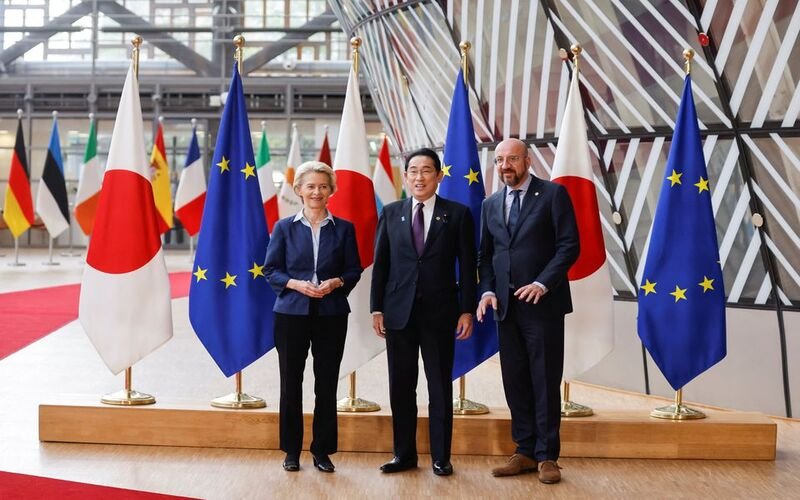
EU to relax Japan food import restrictions. In a significant development, the European Union (EU) is expected to announce the lifting of import curbs on Japanese food products. This decision marks a major milestone in the trade relations between the EU and Japan and carries significant implications for both economies. In this article, we will delve into the details of this anticipated announcement, explore the potential benefits, and examine the broader context of EU-Japan trade relations.
The Lifting of Import Curbs
After extensive negotiations, the EU is set to lift the restrictions it imposed on importing certain food products from Japan. These restrictions were initially put in place due to concerns over the effects of the Fukushima nuclear disaster in 2011. However, with the passage of time and thorough safety assessments, the EU has gained confidence in the safety and quality of Japanese food products, leading to the expected lifting of the import curbs.
Implications for EU-Japan Trade Relations
The EU’s removal of import curbs on Japanese food products signifies a positive step towards strengthening trade relations between the two parties. It opens up new opportunities for Japanese producers to access the lucrative EU market and cater to the growing demand for high-quality food products. Similarly, European consumers will benefit from a wider range of choices and the availability of authentic Japanese cuisine, promoting cultural exchange and diversity.
Economic Benefits and Market Expansion
Lifting import curbs is expected to generate substantial economic benefits for Japan and the EU. Japanese food producers will gain access to a larger consumer base in the EU, which has over 450 million people. This increased market potential can lead to enhanced export opportunities, higher revenues, and the creation of new jobs within the Japanese food industry. Additionally, the EU will benefit from a diversified range of food products, contributing to consumer satisfaction and culinary enrichment.
Quality and Safety Standards
The anticipated announcement by the EU to lift import curbs on Japanese food products reflects the rigorous safety and quality standards upheld by Japan’s food industry. Japanese agricultural and fisheries practices are known for their adherence to stringent regulations and meticulous quality control measures. By recognizing the safety and excellence of Japanese food products, the EU reinforces confidence in Japan’s robust food safety system.
Strengthening Cultural Exchange
Food plays a crucial role in promoting cultural exchange, and lifting import curbs provides an excellent opportunity for the EU and Japan to strengthen their cultural ties. Authentic Japanese cuisine offers a unique culinary experience, rich in flavors and traditions. Through increased access to Japanese food products, European consumers will have the chance to explore the diverse gastronomic delights of Japan, fostering a deeper appreciation of its culture and heritage.
Conclusion
The expected announcement by the EU to lift import curbs on Japanese food products marks a significant milestone in EU-Japan trade relations. This decision opens up new opportunities for Japanese producers and benefits European consumers by offering them a wider range of high-quality food choices. It underscores the trust in Japan’s food safety standards and reinforces the cultural exchange between the EU and Japan. As the import curbs are lifted, both economies stand to gain economically and culturally, strengthening their bilateral relationship for years.

