

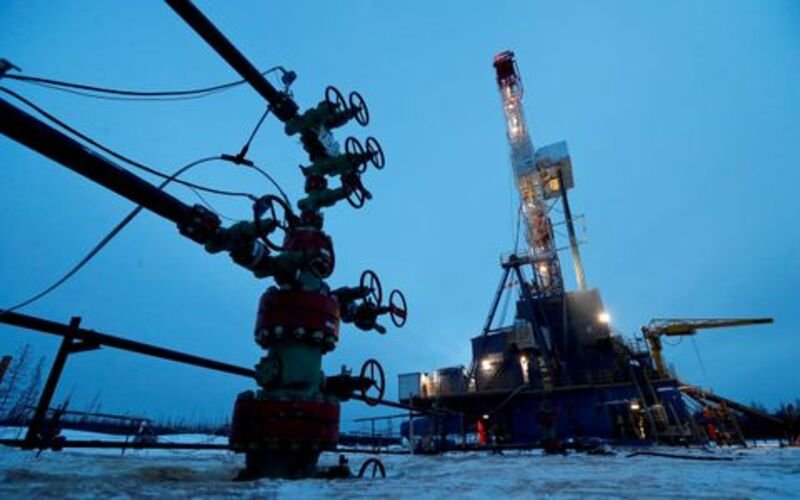
Brent oil remains above $80 as US inflation falls. This article provides an overview of the recent rise in oil prices in the context of cooling US inflation. As a reliable source of information, we aim to shed light on the factors contributing to this development and its implications for the energy market.
Oil Prices Surge Amidst Cooling US Inflation
Background
Oil prices are pivotal in the global economy, impacting various sectors and influencing market dynamics. Recent market trends indicate a notable increase in oil prices, coinciding with a period of cooling US inflation.
Factors Driving Oil Price Rise
- Supply and Demand Dynamics: Oil prices are sensitive to changes in the balance between global supply and demand. Factors such as geopolitical tensions, production cuts, and economic recovery post-pandemic can impact oil demand and supply, thus influencing prices.
- US Inflation Dynamics: Inflation is a crucial economic indicator affecting various market aspects. Cooling US inflation can have mixed implications for oil prices. On the one hand, it may signal a potential slowdown in economic activity, which could reduce oil demand. On the other hand, it could alleviate concerns about rising input costs, thus supporting oil prices.
- OPEC+ Production Policies: The Organization of the Petroleum Exporting Countries (OPEC) and its allies, collectively known as OPEC+, play a significant role in determining oil production levels. Decisions regarding production quotas and adjustments can directly impact oil prices by influencing global supply.
Implications for the Energy Market
The recent surge in oil prices amid cooling US inflation carries several implications for the energy market and related stakeholders.
- Energy Sector Investments: Rising oil prices may incentivize investments in the energy sector, particularly in oil exploration, production, and related infrastructure. This can spur economic growth, create job opportunities, and increase energy security.
- Consumer Impact: Higher oil prices can directly impact consumer costs, particularly in sectors heavily reliant on oil, such as transportation and manufacturing. Increased fuel costs can lead to elevated prices for goods and services, potentially affecting consumer spending and inflation.
- Renewable Energy Transition: Higher oil prices can also provide the impetus for the transition towards renewable energy sources. As oil becomes relatively costlier, it may encourage greater adoption of renewable technologies, such as solar and wind power, which offer cleaner and potentially more affordable alternatives.
Market Outlook
The future trajectory of oil prices will depend on many factors, including global economic recovery, geopolitical developments, and ongoing efforts to combat climate change. Understanding these factors and their interplay is essential for energy market participants and investors.
- Geopolitical Dynamics: Geopolitical events, such as conflicts, trade disputes, and sanctions, can disrupt global oil supply and affect market sentiment, leading to price fluctuations.
- Environmental Policies: The increasing focus on climate change mitigation and sustainable practices may shape future oil demand. Policies promoting energy transition and stricter emissions regulations could impact long-term oil price trends.
- Technological Advancements: Technological advancements in energy storage, electric vehicles, and alternative fuels can influence oil demand and market dynamics. These developments may contribute to shifting trends in the energy landscape.
Conclusion
The recent surge in oil prices against the backdrop of cooling US inflation underscores the complex interplay of various factors that influence the energy market. Supply and demand dynamics, US inflation trends, and OPEC+ policies are key drivers impacting oil prices.
The implications of rising oil prices range from potential investment opportunities in the energy sector to consumer cost impacts and the promotion of renewable energy transition. Keeping abreast of geopolitical dynamics, environmental policies, and technological advancements will be crucial in understanding the future trajectory of oil prices and navigating the evolving energy landscape.
As the energy market evolves, staying informed about these factors will be essential for investors, industry participants, and policymakers.

