

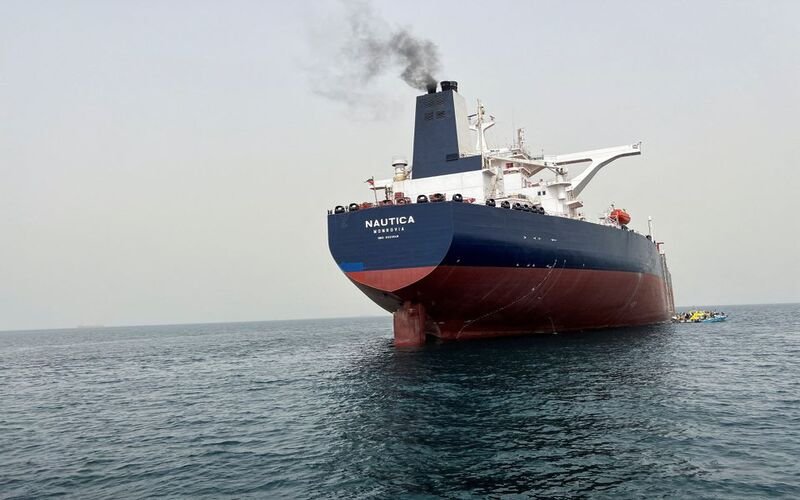
The United Nations (UN) has initiated removing oil from a decaying tanker stranded near Yemen’s Red Sea. The operation comes as a response to the environmental and humanitarian risks posed by the vessel, which has been a cause for concern in the region.
Environmental Concerns
The decaying tanker, laden with oil, poses significant environmental risks to the Red Sea ecosystem and coastal areas. An oil spill from the vessel could have devastating consequences for marine life and the livelihoods of local communities.
Humanitarian Implications
The decaying tanker near Yemen’s Red Sea coast raises humanitarian concerns. It has the potential to impact fishing communities and disrupt access to clean water and essential resources.
UN-led Operation
The UN’s involvement in removing oil from the stranded tanker demonstrates the international community’s commitment to addressing environmental and humanitarian challenges in the region.
Cooperation and Coordination
The successful removal of the oil from the tanker will require cooperation and coordination among multiple stakeholders, including the UN agencies, Yemeni authorities, and international partners.
Oil Spill Mitigation
Oil removal aims to mitigate the risks of an oil spill and prevent further environmental damage in the Red Sea.
Technical Challenges
Removing oil from the decaying tanker may involve technical challenges, considering the vessel’s condition and potential leakages.
Environmental Restoration
Efforts to remove the oil and address the tanker’s impact on the environment will be followed by restoration and conservation measures to support the recovery of the Red Sea ecosystem.
Regional Cooperation
Addressing the risks the stranded tanker poses requires regional cooperation, as environmental hazards can cross borders and affect neighboring countries.
Long-Term Prevention
The incident highlights the importance of implementing measures to prevent similar incidents and enhance safety standards in maritime operations.
Maritime Security
Ensuring maritime security in the Red Sea is essential to prevent accidents, protect the environment, and safeguard the livelihoods of coastal communities.
Conclusion
The UN-led operation to remove oil from the decaying tanker near Yemen’s Red Sea is a crucial step toward addressing environmental and humanitarian risks in the region. Removing the oil aims to prevent potential oil spills and their devastating impact on marine life and coastal communities. Cooperation among stakeholders, technical expertise, and regional collaboration is essential to mitigate the risks the stranded tanker poses successfully. Long-term prevention measures and efforts to enhance maritime security will contribute to protecting and conserving the Red Sea ecosystem and the well-being of local communities.

