

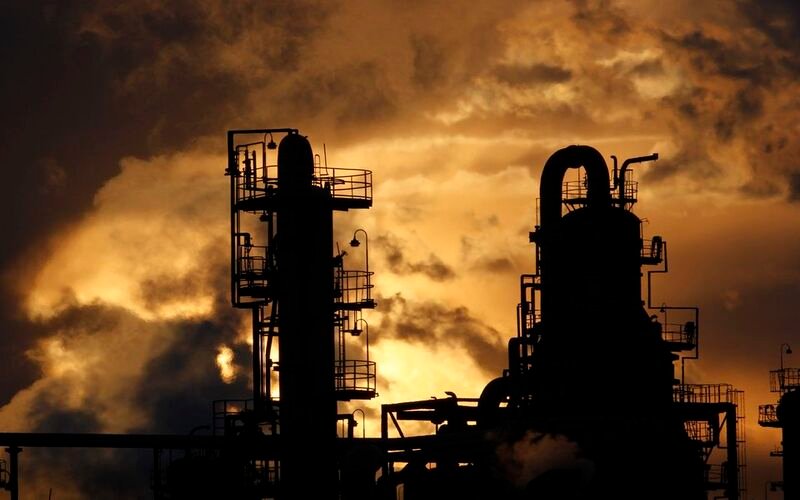
Oil is on track for the biggest monthly gains in over a year. In the dynamic world of commodities, the oil market experienced a remarkable surge in July 2023, delivering the most substantial monthly gains over a year. This article dives deep into the factors contributing to this exceptional performance and provides valuable insights into how these developments can shape the oil industry’s future landscape.
Unraveling the Factors Behind the Record-Breaking Gains
1. Global Economic Recovery
The global economic recovery has played a pivotal role in bolstering oil demand. As economies rebound from the COVID-19 pandemic, industrial activities have regained momentum, leading to a surge in energy consumption. Additionally, increased travel and mobility have driven fuel demand, positively impacting oil prices.
2. Geopolitical Tensions and Supply Constraints
Geopolitical tensions in key oil-producing regions and supply constraints have further fueled the upward trajectory of oil prices. Conflicts and disruptions in major oil-producing nations can significantly impact the supply chain, reducing output and increasing market uncertainty.
3. Technological Advancements in Oil Exploration
The oil industry has witnessed significant technological advancements in recent times. Innovations in exploration techniques and enhanced recovery methods have unlocked new reserves, boosting the global oil supply. These technological breakthroughs have been instrumental in supporting the rising demand and stabilizing prices.
4. Shifting Investor Sentiment
Investor sentiment has a considerable influence on commodity markets, including oil. As investors seek safe-haven assets amid economic uncertainties, commodities like oil attract higher investments, driving prices upwards. The positive trends in the global economy have reinforced investors’ confidence in the oil market.
The Road Ahead for the Oil Market
The outlook for the oil market remains optimistic, with several key drivers expected to shape its future trajectory.
1. Sustainable Energy Transitions
The global push towards sustainable energy solutions can potentially alter the demand dynamics in the oil market. As governments and industries transition towards renewable energy sources, the demand for traditional fossil fuels may gradually decline. This transition presents challenges and opportunities for oil-producing nations to diversify their economies and explore sustainable growth avenues.
2. Continued Geopolitical Uncertainties
Geopolitical tensions are likely to persist in various regions with significant oil reserves. Any escalation in conflicts or supply disruptions could lead to sudden price spikes and increased market volatility. Monitoring geopolitical developments and their potential impact on the oil market will remain crucial for market participants.
3. Technological Innovations and Efficiency Measures
Advancements in energy-efficient technologies and renewable energy storage solutions may influence the demand for oil in various sectors. Governments and industries worldwide are investing in research and development to enhance energy efficiency and reduce reliance on fossil fuels, which could affect long-term oil demand.
4. Regulatory Changes and Climate Policies
Increasing concerns about climate change have prompted governments to introduce stricter environmental regulations and climate policies. These regulations may impact oil production and consumption patterns, shaping the industry’s response to sustainability challenges.
Conclusion
In conclusion, the oil market’s exceptional monthly gains in July 2023 have been fueled by a confluence of factors, including the global economic recovery, geopolitical tensions, technological advancements, and investor sentiment. However, sustainable energy transitions, geopolitical uncertainties, technological innovations, and evolving regulatory landscapes influence the oil market’s future.
Stakeholders in the oil industry need to stay vigilant and adaptive to the changing dynamics, ensuring a sustainable and resilient future for this vital global market.

