

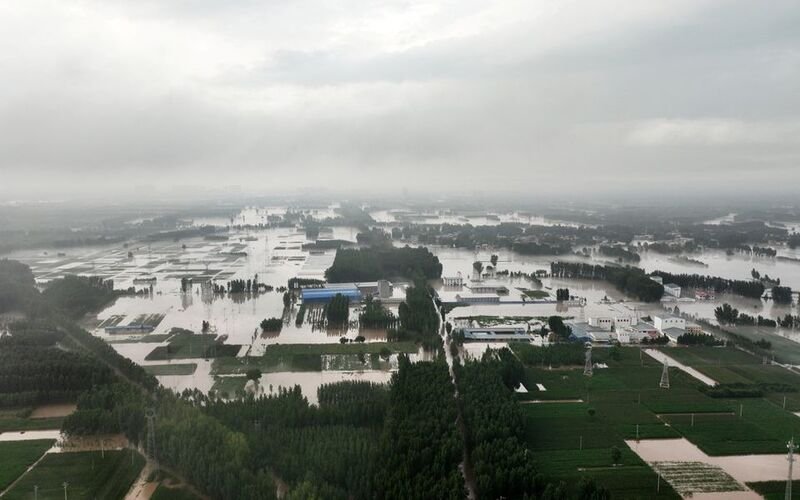
China is grappling with the aftermath of historic rains that have caused widespread flooding in South Beijing and various regions in North China. This article provides a comprehensive overview of the rescue efforts in the flooded city of South Beijing and the extent of the devastation caused by the torrential rains in North China.
Flooding in South Beijing
South Beijing has been severely impacted by the heavy rains, leading to extensive flooding in various neighborhoods. The floodwaters have submerged roads, homes, and public infrastructure, posing challenges to residents and emergency responders.
Rescue and Relief Efforts
In response to the dire situation, rescue teams have been deployed to the affected areas in South Beijing. They work tirelessly to evacuate stranded residents safely and provide essential supplies to those in need. The rescue efforts also focus on relocating vulnerable communities to higher ground to prevent further risks.
Local authorities and volunteer organizations are coordinating rescue and relief operations to ensure a swift and effective response to the unfolding crisis. Their efforts are critical in alleviating the impact of the floods and providing much-needed assistance to affected communities.
Devastation in North China
The torrential rains in North China have left a trail of devastation, with multiple provinces experiencing flash floods, landslides, and widespread destruction of property and infrastructure. The relentless downpour has caused rivers to overflow, exacerbating the flooding situation.
Impact on Transportation and Communication
The severe flooding has disrupted transportation and communication networks in North China. Many roads and highways have become impassable due to flooding and debris, hindering access to affected areas and delaying rescue operations. Communication lines have also been affected, making it challenging for authorities to coordinate relief efforts effectively.
Government Response
The Chinese government has activated emergency response mechanisms to address the floods’ impact in South Beijing and North China. Relief funds and resources have been allocated to support the rescue and rehabilitation efforts. Moreover, various government agencies are working in tandem to provide immediate aid to those affected and initiate long-term recovery plans.
Safety Precautions and Preparedness
In light of the unprecedented scale of the rains and floods, it becomes crucial for communities and authorities to prioritize safety precautions and disaster preparedness. Proactive measures, such as early warning systems, flood-resistant infrastructure, and public awareness campaigns, can play a vital role in reducing the impact of future natural disasters.
Conclusion
The historic rains and ensuing floods have presented a significant challenge to China, impacting both South Beijing and several regions in North China. As rescue and relief efforts continue, the focus remains on safeguarding lives and minimizing damage to property and infrastructure. The dedication of rescue teams, the collaboration of volunteer organizations, and the government’s response are instrumental in aiding affected communities. Moving forward, prioritizing safety precautions and disaster preparedness will be essential in building resilience and mitigating the impact of such natural disasters in the future.

