

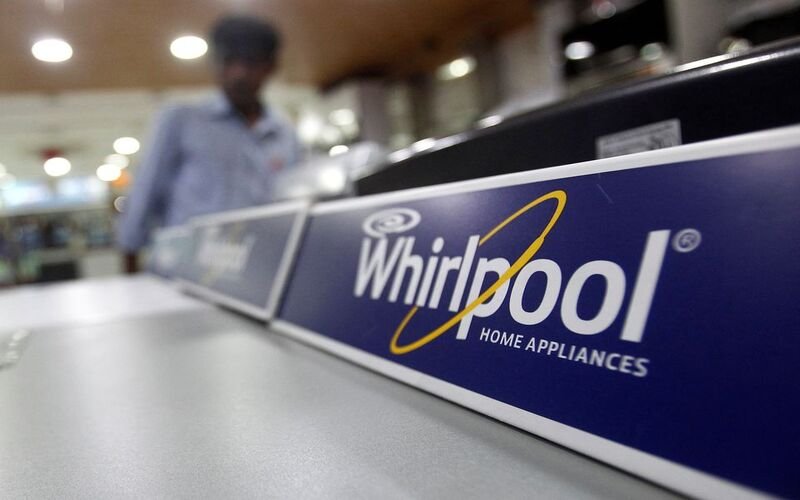
In this article, we analyze the financial performance of Whirlpool’s India unit during the first quarter of the year. The company faced a decline in profits, primarily due to the market’s soft demand. This comprehensive review examines the factors influencing the profit dip, potential implications for the company, and strategies Whirlpool could adopt to navigate the challenging market conditions.
Introduction
Whirlpool’s India unit, a prominent home appliance market player, recently released its financial results for the first quarter. Unfortunately, the report indicated a fall in profits, raising concerns about the company’s performance amid soft demand in the market. In this article, we dissect the factors contributing to the profit decline and explore potential strategies for Whirlpool to overcome the challenges.
A Closer Look at the Q1 Performance
The first quarter financial report of Whirlpool’s India unit paints a mixed picture for the company. While there were some positive aspects, the decline in profits was the main focus of attention.
Soft Demand Impacting Revenue
One of the key drivers behind the profit dip was the soft demand for home appliances in the Indian market during the first quarter. Various factors, such as economic uncertainties, changes in consumer behavior, and external market conditions, contributed to the subdued demand for Whirlpool products.
Impact on Operational Margins
The decline in revenue due to soft demand also directly impacted the company’s operational margins. With lower sales volume, Whirlpool’s India unit faced challenges optimizing its cost structure, leading to decreased profitability.
Potential Implications and Challenges Ahead
The Q1 profit decline poses several implications and challenges for Whirlpool’s India unit.
Competitive Landscape
The home appliances market in India is highly competitive, with several domestic and international players vying for market share. Whirlpool faces the challenge of differentiating itself and maintaining a competitive edge in a challenging market environment.
Consumer Sentiment
Consumer sentiment and spending behavior are significant in the home appliances sector. Whirlpool must navigate the shifting consumer preferences and find ways to cater to its target audience’s evolving needs and expectations.
Strategies for Navigating the Market Conditions
To address the challenges posed by soft demand and intensifying competition, Whirlpool’s India unit could adopt several strategic approaches.
Product Diversification
By expanding its product portfolio and introducing innovative offerings, Whirlpool can appeal to a broader consumer base and capture new market segments.
Enhanced Marketing and Branding
Investing in effective marketing and branding initiatives can help Whirlpool strengthen its brand presence and create product awareness, fostering consumer trust and loyalty.
Focus on Customer Experience
Improving the overall customer experience, from pre-purchase engagement to after-sales service, can enhance customer satisfaction and drive repeat business.
Conclusion
Whirlpool’s India unit’s Q1 financial results reflect the challenges posed by soft demand in the home appliances market. While the profit decline highlights the need for strategic measures, it also presents an opportunity for the company to reassess its market positioning and explore avenues for growth. By adopting innovative strategies, enhancing customer experiences, and leveraging its brand strength, Whirlpool can navigate the current market conditions and position itself for long-term success in the dynamic Indian market.

