

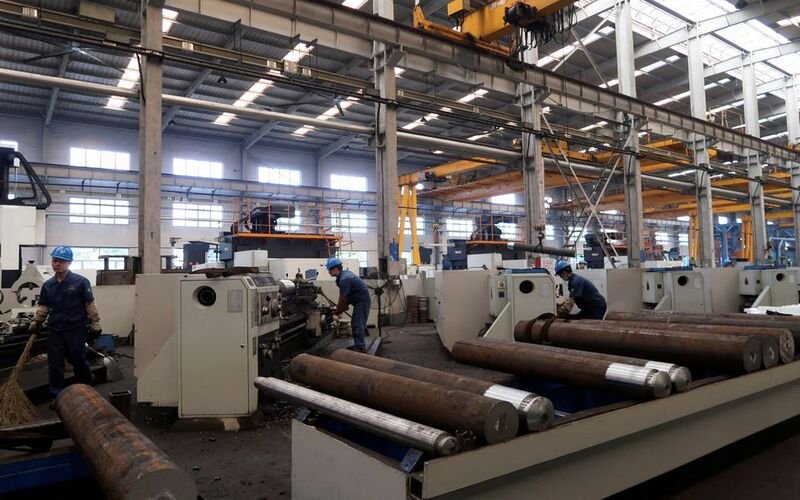
Factory activity across Asia has experienced a recent weakening, reflecting various economic challenges in the region. However, there is a glimmer of hope as China, a major player in the global manufacturing sector, shows signs of rebounding from economic headwinds. In this article, we will delve into the details of the current state of factory activity in Asia and the potential implications for the broader global economy.
Factory Activity in Asia
Asia is a significant hub for manufacturing, with several countries in the region contributing to global production across various industries. The performance of Asian factories often serves as an indicator of the health of the global economy.
Recent Weakening
The weakening of factory activity in Asia suggests challenges such as supply chain disruptions, rising input costs, and economic uncertainties. These factors have affected production levels and overall manufacturing sentiment.
China’s Rebound
China, a manufacturing powerhouse, is showing signs of rebounding from economic challenges. The country’s efforts to stabilize supply chains and stimulate domestic demand contribute to its recovery.
Global Implications
China’s rebound is of global significance, as the country is a major supplier of goods to the international market. A robust Chinese economy can positively impact global trade and manufacturing.
Supply Chain Resilience
The recent disruptions in supply chains, often attributed to the pandemic, have prompted discussions about enhancing supply chain resilience and diversification.
Economic Policy
Government policies, economic stimulus measures, and international trade agreements significantly shape the manufacturing landscape in Asia.
Hope for the Future
While challenges persist, the signs of recovery in China provide hope for a more stable and resilient manufacturing sector in Asia and beyond.
Broader Economic Recovery
The performance of factory activity in Asia is closely linked to broader economic recovery efforts worldwide. A rebound in manufacturing can stimulate economic growth and job creation.
Conclusion
The recent weakening of factory activity in Asia, coupled with China’s rebound, reflects the region’s intricate interplay of economic factors. As countries navigate challenges and opportunities in the manufacturing sector, the resilience and adaptability of supply chains will play a pivotal role in shaping the future of global manufacturing and economic growth.

