

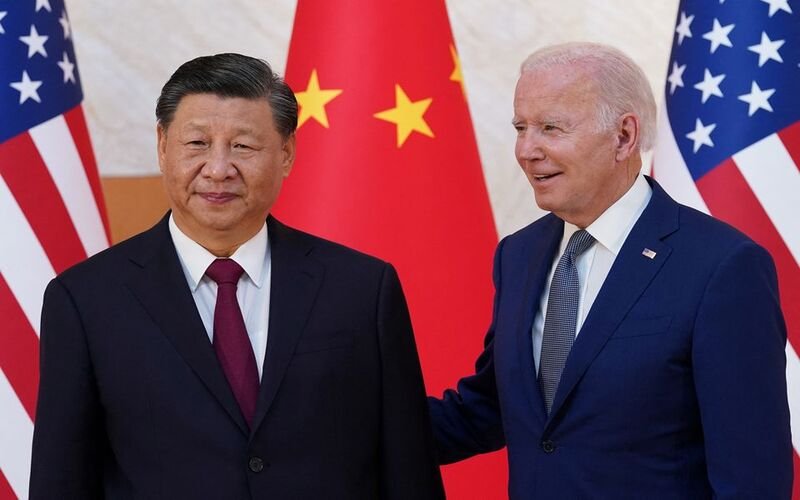
The U.S. expects to upgrade Vietnam ties, which risks China’s anger. In the ever-evolving landscape of global politics and economics, the United States is set to embark on a significant journey to upgrade its ties with Vietnam in 2023. This move carries both promise and potential risks, particularly in the context of China’s influence in the region. In this comprehensive article, we delve into the intricacies of this development, analyzing the factors, implications, and opportunities that lie ahead.
The Foundation of U.S.-Vietnam Relations
Before we explore the expected upgrade in U.S.-Vietnam relations, it’s crucial to understand the historical context that has paved the way for this significant development. The United States and Vietnam share a complex history marked by the Vietnam War, which concluded in 1975. Since then, the two nations have worked diligently to mend relations and build a foundation of mutual respect and cooperation.
The Upcoming Upgrade
1. Economic Ties
The economic aspect is one of the primary drivers of the anticipated upgrade in U.S.-Vietnam relations. Vietnam has emerged as a major player in Southeast Asia’s economic landscape, offering a rapidly growing market and a skilled workforce. The United States recognizes the potential for expanding trade and investment opportunities in Vietnam, which aligns with its broader economic objectives.
2. Diplomatic Engagement
Diplomacy plays a pivotal role in international relations, and in the case of the U.S. and Vietnam, diplomatic engagement is poised to strengthen significantly. High-level meetings and exchanges are expected to foster a closer diplomatic relationship that can address regional and global challenges.
Managing Risks Amid China’s Influence
While upgrading U.S.-Vietnam relations promises numerous benefits, it is essential to acknowledge the potential risks, particularly concerning China’s stance in the region.
1. Balancing Act
Vietnam, geographically close to China, must carefully navigate its relationship with the United States and China. Striking a balance between these two global powers is imperative to ensure regional stability.
2. Geopolitical Tensions
China’s assertiveness in the South China Sea has raised regional tensions. The U.S.-Vietnam relationship upgrade should respond to these tensions to bolster regional security and maintain open sea lanes for trade.
Conclusion
In conclusion, the expected upgrade in U.S.-Vietnam relations in 2023 holds immense promise for both nations. It is a testament to their commitment to peace, stability, and prosperity in the Indo-Pacific region. While risks associated with China’s influence exist, diplomacy, economic cooperation, and strategic engagement will be the cornerstones of this evolving relationship. As these developments unfold, it is imperative to watch closely and analyze the impact on the global political and economic landscape.

