

What is big data? Definition, How It Works, and Uses
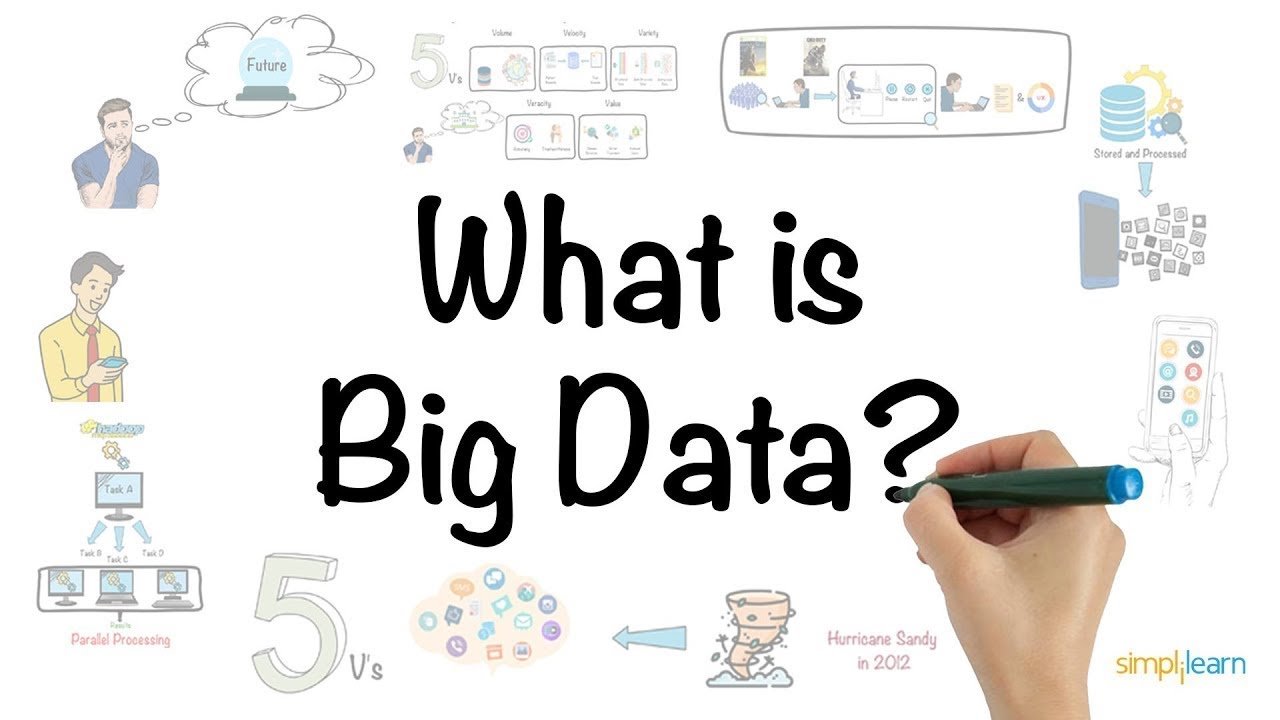
Big data refers to the large, diverse information sets that grow ever-increasingly. It encompasses the volume of information, the velocity or speed at which it is created and collected, and the variety or scope of the data points being covered (known as the “three v’s” of big data). Big data often comes from data mining and arrives in multiple formats.
How Big Data Works
Big data can be categorized as unstructured or structured. Structured data is information the organization already manages in databases and spreadsheets; it frequently consists of numbers. Unstructured data is unorganized and does not fall into a predetermined model or format. It includes data gathered from social media sources, which help institutions gather information on customers
Big data can be collected from publicly shared comments on social networks and websites, voluntarily gathered from personal electronics and apps, through questionnaires, product purchases, and electronic check-ins. Sensors and other inputs in smart devices allow data to be gathered across a broad spectrum of situations and circumstances.1
Big data is often stored in computer databases and analyzed using software specifically designed to handle large, complex data sets. Many software-as-a-service (SaaS) companies specialize in managing this type of complex data.
The Uses of Big Data
Data analysts look at the relationship between data types, such as demographic data and purchase history, to determine whether a correlation exists. Such assessments may be done in-house or externally by a third party focusing on processing big data into digestible formats. Businesses often use such experts’ assessments of big data to turn it into actionable information.
Nearly every department in a company can utilize findings from data analysis, from human resources and technology to marketing and sales. Big data aims to increase the speed at which products get to market, reduce the time and resources required to gain market adoption and target audiences, and ensure customers remain satisfied.
Advantages and Disadvantages of Big Data
The increase in the amount of data available presents both opportunities and problems. In general, having more data on customers (and potential customers) should allow companies to tailor products and marketing efforts better to create the highest level of satisfaction and repeat business. Companies that collect a large amount of data are allowed to conduct more profound and richer analyses for the benefit of all stakeholders.
While better analysis is positive, big data can also create overload and noise, reducing its usefulness. Companies must handle larger volumes of data and determine which data represents signals compared to noise. Deciding what makes the data relevant becomes a key factor.
Furthermore, the nature and format of the data can require special handling before it is acted upon. Structured data, consisting of numeric values, can be easily stored and sorted. Unstructured data, such as emails, videos, and text documents, may require more sophisticated techniques to be applied before it becomes useful.
Conclusion
- Big data is an excellent quantity of diverse information that arrives in increasing volumes and with ever-higher velocity.
- Big data can be structured (often numeric, easily formatted, and stored) or unstructured (more free-form, less quantifiable).
- Nearly every department in a company can utilize findings from extensive data analysis, but handling its clutter and noise can pose problems.
- Data can be collected from publicly shared comments on social networks and websites, voluntarily gathered from personal electronics and apps, through questionnaires, product purchases, and electronic check-ins.
- Big data is often stored in computer databases and analyzed using software specifically designed to handle large, complex data sets.

