

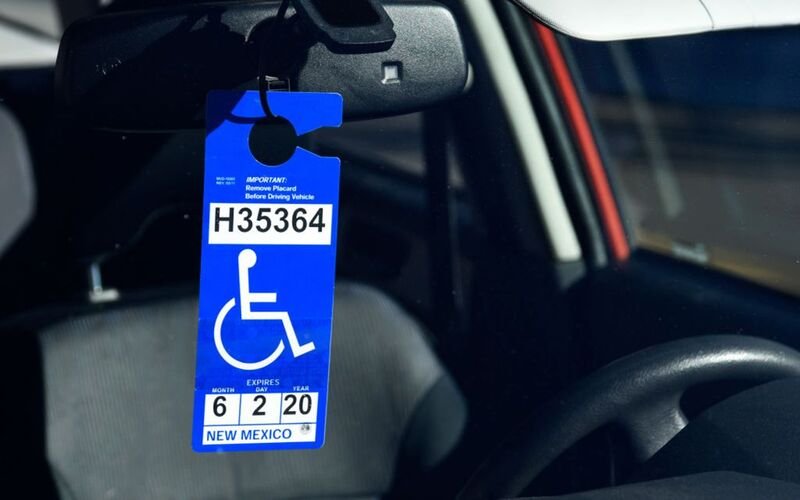
What is a waiver of premium disability?
A clause in an insurance contract that says the insurance company won’t make the insured pay the premium if they suffer a significant injury is known as the “waiver of premium for disability.” The definition of a disability is subject to variation across insurance providers, as are the terms and duration of premium waivers offered by individual plans. It is important to remember that adding this waiver to a policy may result in a higher premium from the insurance company.
How a Disability Premium Waiver Works
Life and disability insurance policies often provide a premium waiver for disability. If the insured becomes disabled, is unable to work, and loses their source of income, the release may be the difference between being able to maintain the coverage and having to surrender it.
This waiver is especially crucial for disability insurance, as it would prevent the insured from being covered against the risk they were seeking to insure against if they had to pay premiums after incapacitating.
This waiver often takes effect from the day the impairment first appeared. The insured usually receives a complete refund of their premiums while the release is in force. Insureds frequently add this rider to their policies because it enables the policy to continue operating normally in the event of a disability regarding the death benefit, dividends, and cash values. The insurance owner resumes paying premiums when the disability expires.
If an insurance company rejects a claim for life or disability benefits due to nonpayment of premiums and the insured believes that the premium waiver is still in place, there may be problems. Contract-specific differences exist in how the provision operates, and the term “totally disabled” is defined differently in each insurance policy.
Imagine that an insurance company rejects a claim because a premium is unpaid or that it determines that the deceased did not have the disability that the contract specifies. In that case, experts advise the insured to get legal counsel.
An illustration of a Premium Disability Waiver
Suppose someone cannot carry out the responsibilities of a job for which they are qualified due to their education, training, or experience. In that case, they are often classified as entirely handicapped. The handicap in issue must be the result of an illness or accident.
For instance, one of Alex’s responsibilities as a vehicle salesperson is assisting clients in making auto purchases. If an illness or accident prevents someone from doing this and other relevant tasks, they will often be deemed handicapped. The insurance company will recognize Alex as “totally disabled”; thus, if they have a waiver of premium disability, they may use the release.
Conclusion
- An insurance policy’s waiver of premium for disability clause kicks in if the policyholder has an unanticipated disability and cannot pay their premium.
- Policies that provide a waiver of premiums for disability may come with higher premiums from insurance companies.
- The term “totally disabled” has no standard meaning; it might change based on the insurance provider and the policy terms.
- However, if the insured person is unable to perform their job duties due to an illness or accident, they are typically considered “totally disabled.”

