

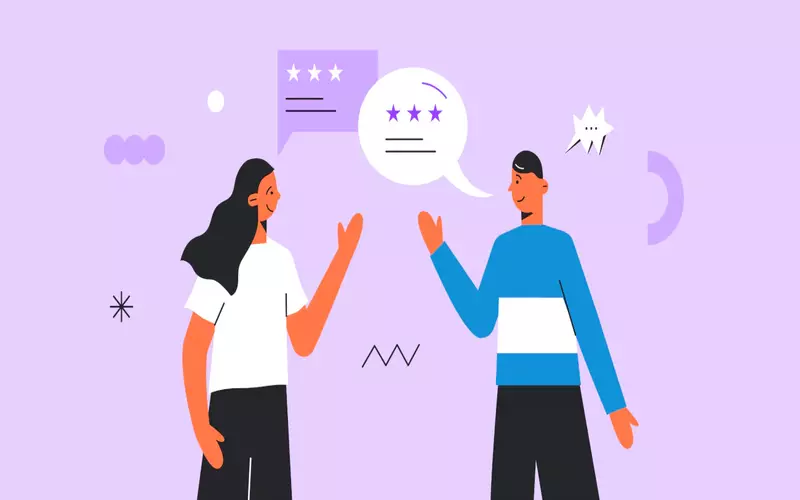
What is word-of-mouth marketing?
Word-of-mouth marketing, or WOM marketing, occurs when a customer’s interest in a business’s product or service shows up in casual conversations. Positive customer experiences—often above and beyond expectations—have led to a free promotion.
Companies may promote word-of-mouth marketing by offering chances for consumer-to-consumer and consumer-to-marketer interactions and conducting various PR campaigns. WOM marketing, sometimes called “word-of-mouth advertising,” encompasses social media, blogs, buzz, viral, and dynamic marketing.
Understanding Word-of-Mouth Marketing
When word-of-mouth naturally refers to a company’s goods and services, it is not the same as when it results from a company’s encouragement, promotion, or other influence—a process called “seeding.”
Word-of-mouth marketing occurs when a customer is delighted with a meal at a restaurant and tweets about it afterward or when a customer uses a novelty product and shares their experience with others. Furthermore, word-of-mouth marketing usually starts a chain reaction of subsequent encounters after the first one.
An organization may encourage it in several ways. The ideal approach is to give them something to speak about, such as going above and beyond or offering insider knowledge or expertise about a product.
Other tactics include providing customers with fresh channels for disseminating information about a business’s goods and services and communicating and engaging with clients via actions like delivering excellent customer service. This is particularly helpful for customer service via social media, as it allows for easy sharing and marketing.
Word-of-mouth marketing’s advantages
Globally, 88% of respondents said they place more faith in earned media—recommendations from friends and family—than in other advertising. This demonstrates the power of word-of-mouth advertising.
When customers perceive that a firm is paying attention to them, they become more emotionally attached to it. For this reason, many businesses would send salespeople to speak directly with customers or over the phone about their goods and services. Conversations about a company’s product might be sparked via this form of engagement and promotional activities.
The temptation to use fake word-of-mouth advertising is vital. Because of this, the Word of Mouth Marketing Association (WOMMA) created a code of ethics checklist for the sector, stating that there is no justification for dishonesty and that the best word-of-mouth marketing techniques are credible, social, repeatable, quantifiable, and courteous.
Three essential guidelines to prevent problems may be found in WOMMA’s code of ethics, according to WOM marketing specialist Andy Sernovitz:
- Declare your representation (never withhold a relationship’s details).
- Express your beliefs solely (be truthful while expressing an opinion)
- Never misrepresent yourself; always be honest about who you are.
What Kinds of Word-of-Mouth Marketing Are There?
Word-of-mouth marketing is the marketing strategy businesses use to get customers to speak about how satisfied they are with their goods or services. These tactics include freebies, competitions, and sponsored influencers; they also include brand loyalty programs, which provide forums for consumers to share their opinions and reward them for their continued business.
What is Word-of-Mouth Marketing’s digital version?
Digital word-of-mouth marketing uses technology—specifically, the Internet—to help spread word-of-mouth recommendations. Customers utilize popular digital platforms like blogs, social networking sites, and review boards to share their experiences—both positive and negative—and these shared testimonies have a significant impact on what customers decide to buy.
Why Is Marketing Through Word-of-Mouth So Important?
Word-of-mouth advertising is crucial since it’s a powerful tool for boosting revenue, promoting goods and services, raising brand awareness, and cultivating devoted clientele. Many businesses use techniques to encourage clients to share pleasant experiences and endorse their goods and services. In essence, companies light the spark that ignites a flurry of consumer conversation. Because most people rely on recommendations from friends and family, word-of-mouth marketing is more advantageous and economical than other types of advertising.
The Final Word
Word-of-mouth (WOM) marketing occurs when a customer tells their peers about a product or service after having a favorable experience. WOM marketing greatly benefits businesses as it generates revenue without adding to existing expenses. Nonetheless, companies may actively support word-of-mouth advertising campaigns.
WOM marketing is often encountered during informal get-togethers and dinner parties and via texts with friends and family. Chatter, blogs, viral media, and social media marketing also set it up.
Conclusion
- Word-of-mouth (WOM) is how customers tell their friends, family, and associates about a company’s product or service.
- Since 88% of customers trust referrals from friends more than conventional media, word-of-mouth (WOM) is one of the most effective forms of advertising.
- Businesses may promote word-of-mouth marketing by surpassing customer expectations with a product, offering excellent customer support, and supplying customers with unique information.
- According to the Word of Mouth Marketing Association (WOMMA), the most effective word-of-mouth marketing techniques are social, repeatable, quantifiable, honest, and courteous.
- Buzz, blogging, social media marketing, and other strategies are all included in word-of-mouth (WOM) marketing.

