

U.S. Court Gives Green Light to Land Exchange for Rio’s Arizona Copper Mine
In a contentious decision, a U.S. appeals court ruled on Friday, March 1, that the federal government can allocate thousands of acres in Arizona to Rio Tinto for a copper mine. The 6-5 ruling by the San Francisco-based 9th U.S. Circuit Court of Appeals upheld a previous decision. It rejected arguments from Native Americans who sought to preserve the land for its religious and cultural significance.
The court’s decision essentially supports a 2014 resolution by the U.S. Congress and then-President Barack Obama to grant the land to Rio Tinto and its minority partner BHP for the Resolution Copper project. This ruling is significant in the context of the U.S. presidential election season, with former President Donald Trump, a supporter of the mine, likely to face off against President Joe Biden, who narrowly won Arizona in the 2020 election, mainly due to Native American votes.
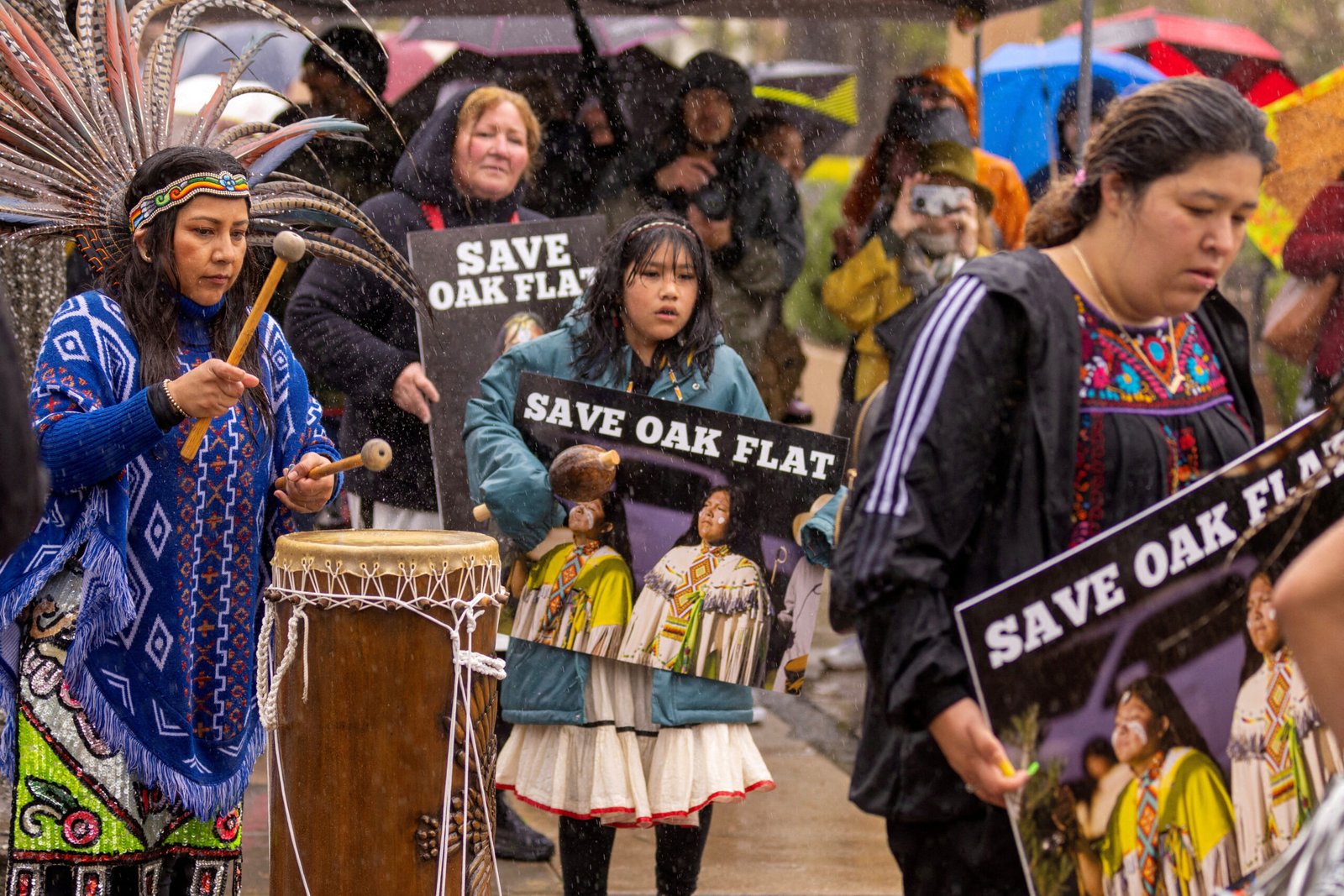
The Apache Stronghold, a nonprofit group representing the San Carlos Apache tribe and other opponents of the mine, suffered another setback with this ruling. The proposed copper mine threatens a site where Indigenous ceremonies have taken place for generations. However, if developed, it could supply more than a quarter of U.S. copper demand for the growing renewable energy sector.
While three members of the Appeals Court had previously ruled in favor of Rio and the land swap in 2022, the appeals court, comprised of 11 members, decided to revisit the case in an en banc hearing held last March. The Apache Stronghold, disappointed with the latest ruling, plans to appeal to the Supreme Court, asserting a strong case given the close division within the appeals court.
The dispute revolves around Oak Flat, a federally owned land parcel in eastern Arizona, considered home to deities by some Apache. Atop a reserve of over 40 billion pounds of copper, crucial for electric vehicles, the proposed mine would create a massive crater, jeopardizing the sacred worship site. In their 253-page ruling, the judges engaged in a heated debate over whether a government-led land transfer could impede the exercise of religious beliefs, highlighting the complex intersection of environmental concerns, indigenous rights, and economic interests.

