

Catch the Northern Lights Tonight: 8 States Where You Might See the Aurora Borealis
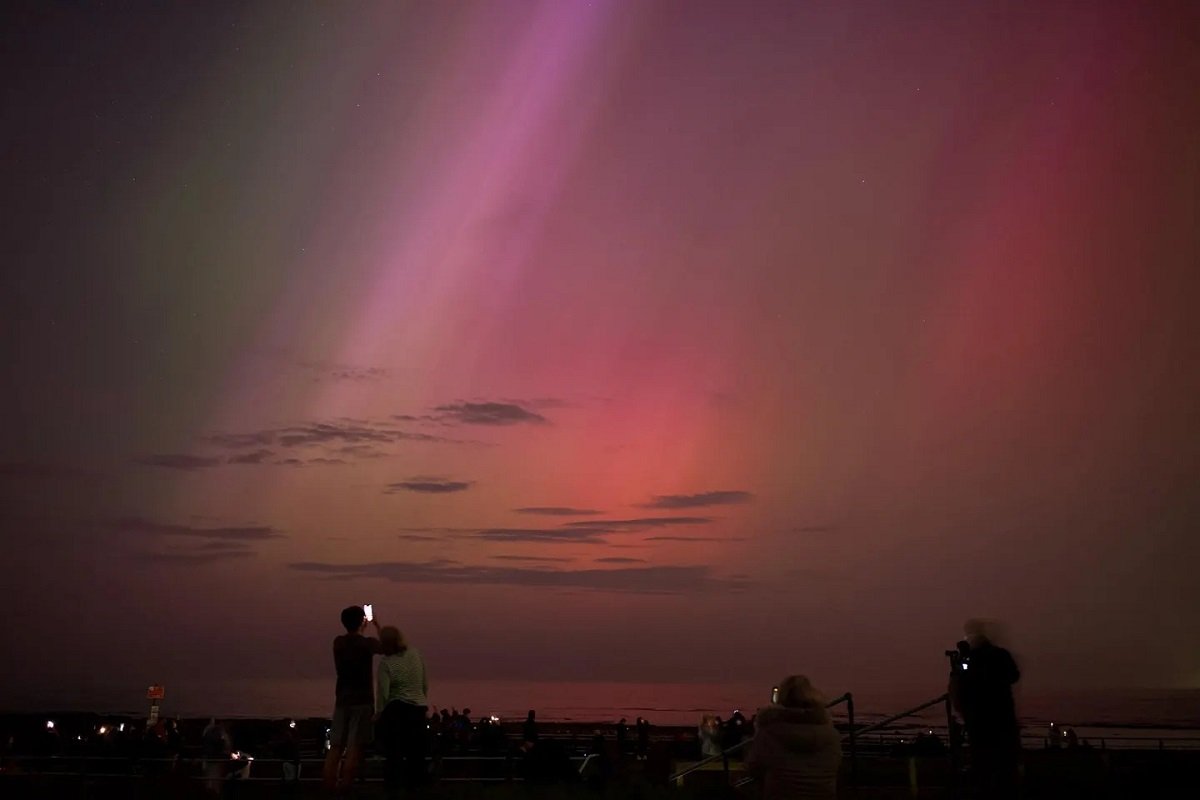
The northern lights, or aurora borealis, have long captivated people with their ethereal beauty. Known for illuminating polar skies with vibrant hues of green, purple, and pink, this natural phenomenon is typically reserved for high-latitude regions like Alaska, Canada, and Scandinavia. However, due to heightened solar activity, parts of the northern United States may get a rare opportunity to witness the aurora on Monday night, March 31, 2025.
Where and When to Look
According to NOAA’s aurora forecast, eight states in the northern U.S. have a slim but possible chance of spotting the northern lights. These include northeastern Washington, northern Idaho, northern Montana, North Dakota, northern Minnesota, northern Wisconsin, Michigan’s Upper Peninsula, and northern Maine. While these locations aren’t as ideal as Alaska or Canada for aurora viewing, they still offer a unique chance for residents to experience the spectacle.
For the best results, observers should aim to look at the skies between 10 PM and 2 AM local time. Clear weather conditions are essential, as clouds can obscure the view. Additionally, getting away from city lights and light pollution will significantly improve visibility. If you’re serious about catching this celestial event, consider heading to a remote area with minimal artificial lighting.
Why Now? The Science Behind the Spectacle
The timing of this auroral display is tied to the sun’s current phase of heightened activity. NASA has confirmed that we are in the midst of a “solar maximum,” a period characterized by frequent solar flares and coronal mass ejections. This phase began in 2024 and is expected to continue into early 2026. Scientists have described this as a 500-year peak in auroral displays, making it one of the most extraordinary periods in centuries to witness the northern lights.
Last week, a powerful solar flare caused radio blackouts across parts of the globe, underscoring the sun’s growing influence on Earth’s atmosphere. According to Antonio Pequeño IV, a Forbes reporter covering science and technology, “This is one of the best times in centuries to see the northern lights.” Such statements highlight the rarity of this event and the importance of taking advantage of it while conditions remain favorable.
Tips for Spotting and Photographing the Aurora
If you’re fortunate enough to be in a prime viewing zone, there are several ways to enhance your experience. Start by finding a dark location free from light pollution. Patience is key, as the aurora can appear suddenly and disappear just as quickly.
For those interested in capturing the moment, modern smartphones equipped with night mode can produce surprisingly good results. Pairing your phone with a tripod will help stabilize the camera during long exposures. For photography enthusiasts using DSLR cameras, wide-angle lenses, high ISO settings, and exposure times of 10-20 seconds are recommended to capture the aurora’s vivid colors.
A Rare Opportunity
While the aurora borealis is a common sight near the Arctic Circle, seeing it in the contiguous U.S. is a once-in-a-lifetime event for many. Although tonight’s display may not match the intensity of those visible closer to the poles, even a faint glow is worth experiencing. NOAA’s forecast indicates that auroral activity will diminish by Tuesday night, April 1, so it’s crucial to act quickly.
Exploring More About the Phenomenon
For those eager to learn more about planning trips to see the northern lights or understanding the science behind this 500-year solar peak, resources like Forbes’ guides provide valuable insights. These materials can help deepen your appreciation for the aurora borealis and its connection to solar activity.
Final Thoughts
As the sun continues to influence Earth’s magnetic field, opportunities to witness the northern lights in unexpected places become more frequent. With clear skies and a bit of luck, residents of the northern U.S. could be treated to a breathtaking celestial show. So bundle up, head outside, and look north—tonight might just be the night you catch a glimpse of nature’s most dazzling light display.

