

Base Power’s Rapid Rise in the Energy Storage Market
In less than a year, Base Power has transitioned from an under-the-radar startup to one of the largest battery storage fleets in Texas. This rapid ascent has been fueled by a strategic approach to energy storage and a recent $200 million funding round aimed at accelerating its expansion. The company’s innovative business model is reshaping how residential battery systems are deployed and monetized.
A Strategic Funding Round to Fuel Growth
The Series B funding round was spearheaded by prominent investors such as Addition, Andreessen Horowitz, Lightspeed Venture Partners, and Valor Equity Partners. Other participants included Altimeter, Terrain, Thrive Ventures, and Trust Ventures. This infusion of capital will be used to expand Base Power’s operations, including adding dozens more megawatt-hours of battery storage capacity and laying the groundwork for a domestic battery manufacturing facility.
The decision to construct a battery factory in the U.S. reflects a dual strategy: mitigating risks associated with international tariffs while addressing supply chain vulnerabilities. However, building and operating a battery factory presents its own set of challenges. Many companies have encountered difficulties in mastering the complexities of large-scale battery production, which could pose potential risks to Base Power’s ambitious plans.
Redefining Residential Battery Systems
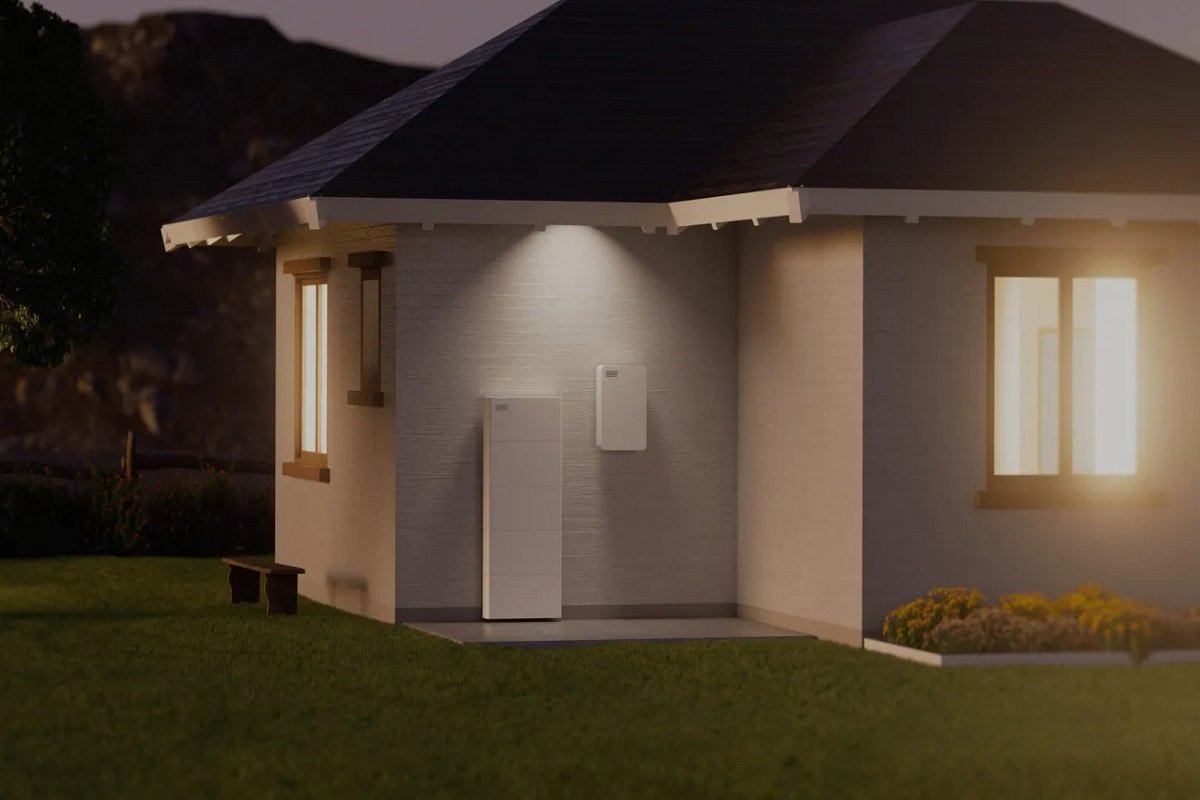
Base Power is not the first company to offer residential battery solutions, but it distinguishes itself through scale and affordability. While Tesla’s Powerwall has been a market leader for nearly a decade, Base Power’s offerings are significantly larger and more cost-effective. Its batteries come in capacities of 25 or 50 kilowatt-hours, dwarfing the single Powerwall’s capacity. Moreover, the upfront costs are remarkably low, ranging from $595 to $995 depending on the system size, compared to the $15,000 or more required for a Powerwall installation before incentives.
This affordability comes with certain conditions. Customers must commit to purchasing electricity from Base Power for three years at a rate of 9 cents per kilowatt-hour, plus any applicable delivery fees charged by local utilities. Additionally, an annual fee ranging from $225 to $345 applies, which translates to approximately 2 cents per kilowatt-hour for the average Texas household. Despite these costs, the overall proposition remains attractive to many homeowners seeking reliable backup power and potential savings.
Monetizing Grid-Balancing Operations
While residential battery sales form the foundation of Base Power’s business model, the real revenue driver lies in grid-balancing operations. Texas’ unique power market structure allows companies like Base Power to profit by supplying stored electricity back to the grid during peak demand periods. These payments can be substantial, especially during events like extreme weather or high energy usage spikes.
By deploying residential batteries en masse, Base Power effectively creates what is known as a “virtual power plant.” This approach enables the aggregation of distributed energy resources to function as a single, flexible power source. Unlike traditional grid-scale battery facilities, which can take years to develop, residential systems can be permitted and installed within weeks. In March alone, Base Power installed 10 megawatt-hours of storage, according to co-founder and CEO Zach Dell. The company aims to reach 100 megawatt-hours by summer, showcasing the scalability of its model.
Expanding Beyond Texas
With its sights set on growth, Base Power plans to use the new funding to expand into additional states. The flexibility of its residential battery model makes it adaptable to various markets, provided the regulatory environment supports such initiatives. As the demand for renewable energy solutions continues to rise, Base Power’s ability to rapidly deploy storage systems positions it as a key player in the transition toward cleaner, more resilient energy grids.
Challenges and Opportunities Ahead
Despite its impressive trajectory, Base Power faces challenges that could impact its long-term success. Entering the battery manufacturing space introduces operational complexities that have tripped up other companies. Balancing the demands of scaling production with maintaining quality and cost-efficiency will be critical. Additionally, competition in the energy storage sector is intensifying, with both established players and new entrants vying for market share.
Nevertheless, Base Power’s innovative approach to residential energy storage and its focus on leveraging grid-balancing opportunities present significant opportunities. By continuing to refine its business model and expand its footprint, the company has the potential to play a pivotal role in shaping the future of energy storage and distribution.
As the energy landscape evolves, Base Power’s story serves as a compelling example of how startups can leverage technology and market dynamics to drive meaningful change. With its eyes on both immediate expansion and long-term sustainability, the company is poised to remain a key contender in the rapidly growing energy storage industry.

