

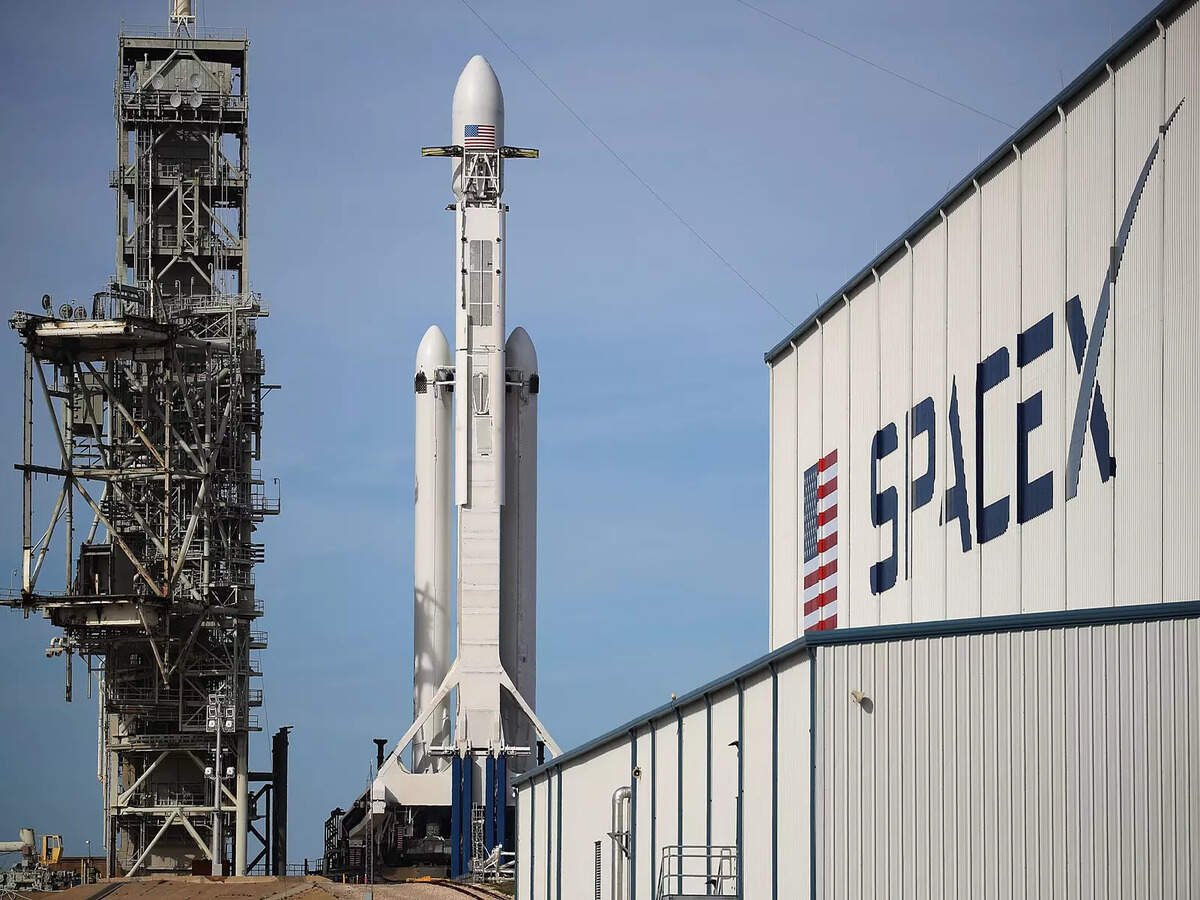
The most ambitious space company in the world is about to see how Elon Musk’s interplanetary vision will be received by public markets. SpaceX, which transformed space travel with reusable rockets and built a global satellite broadband empire, is considering a 2026 listing that could be valued at over $25 billion, with a potential trillion-dollar valuation, making it one of the largest initial public offerings in finance history. However, there is tension between these astronomical figures: can Musk balance his decades-old passion for colonizing Mars with the investors who expect returns from the income-generating Starlink satellite venture?
For potential shareholders, the SpaceX investment thesis is unique and two-fold. On one hand, there is Starlink, the company’s satellite broadband network with more than 6 million customers in at least 140 countries and territories, bringing in significant annual revenues of $15 billion. On the other hand is Starship, the massive next-generation rocket in development since 2017, aimed at settling human civilization on Mars. This project will cost billions to launch and is unlikely to provide a commercial payoff.
This is not a new dichotomy for Musk investors. Tesla shareholders have faced similar issues, debating the entrepreneur’s split focus and his description of the electric vehicle manufacturer as an artificial intelligence and robotics platform rather than just a car company. SpaceX investors now face the same challenge as they weigh the established profitability of a ground-based satellite service against the hypothetical potential of space expansion.
The path to a SpaceX IPO has been full of false starts, each tied to Musk’s timeline for going to Mars. In 2018, SpaceX President Gwynne Shotwell stated it would not go public until it was flying regular missions to Mars, a timeline that has been repeatedly extended. This week, Musk suggested the IPO might happen soon and that SpaceX could launch an uncrewed Starship to Mars next year. Industry analysts see this timeline as optimistic, especially since Starship has not yet completed a successful orbital mission.
The Risk Factor and the Revenue Engine.
Caleb Henry of space research firm Quilty Analytics stressed that anyone buying SpaceX shares should be aware of the company’s history of investing billions in high-risk projects. Ventures like Starlink and the Falcon 9 reusable rocket have eventually delivered significant returns after long periods of trial and error. SpaceX has always been R&D-intensive, and investors may complain they are not being valued as such. It will have to be that way for future investors, Henry remarked.
Justus Parmar, the chief executive of Fortuna Investments, a venture capital firm that has invested in SpaceX, believes the IPO will not take place until Starship successfully lands on Mars, thereby removing a major risk factor for the business. He is trying to drive this rocket to Mars… Unless that is the case, it will be very bad for the stock, but since it is a privately held company, it will not matter; there will not be a variation in the stock, Parmar explained. Nevertheless, former SpaceX director Abhi Tripathi suggested that rocket failures could be acceptable to investors, since they would be less significant compared to the revenue Starlink brings. Will Wall Street really be concerned about explosions that do not affect the core revenue stream? Tripathi asked.
In addition to uncertainty about Mars, analysts are also examining SpaceX’s high valuation, which assumes exponential growth based on current revenue rates and the belief that the satellite-to-cell services market is vast and that space-based data centers are feasible.
The strong prospects of Starlink and the growing belief among technology leaders that artificial intelligence data centres will eventually operate in space provide reasons to go public and offer a financial cushion for Starship failures, according to market observers. Starlink has also played a key role in funding Starship’s rapid development, which has been hampered by setbacks. The giant rocket is designed not only to launch humans to the moon and Mars, but also larger Starlink satellites that will serve the potentially profitable Starlink Mobile, which connects directly to cell phones. According to Deloitte’s estimates, this will have a market value of $1.9 billion by 2030 in the satellite broadband market. SpaceX was also trademarking Starlink Mobile last month, according to government filings, and announced Tuesday that its direct-to-cell service is live in Canada.
This business segment will require technological advancements in satellite and communications receiver solutions- SpaceX is developing its next-generation Starlink satellites. – to allow increased bandwidth applications like global video calling. According to estimates by Allied Market Research, the market potential may reach 43.3 billion by 2034.
Profitable government contracts, such as the U.S. Golden Dome missile defense project, valued at $150 billion, could further develop SpaceX’s Starshield satellite division and create more customers for its launch services business.
A SpaceX IPO would aid in funding Musk’s latest ambitious project: data centers in space. In theory, these facilities could access solar energy without relying on Earth’s infrastructure, putting SpaceX at the center of the artificial intelligence revolution. However, experts warn that cooling is a major challenge, start-up costs must drop significantly, and space debris adds further complications. To market analysts, many investors will sail through the turbulence of SpaceX, as they have with Tesla over the last decade. The firm has defied all odds and turned previously unrealistic ideas into a business model. The question of whether investors in public markets will be patient and risk-takers in the Mars venture Musk embarked on, and at the same time enjoy the gains of Starlink on the ground, will be the determining factor in one of the most impactful IPOs of the decade. As the chief market strategist of Futurum Equities Research, Shay Boloor, succinctly noted: “Many retail investors will likely earn their fair share of gray hairs being a SpaceX investor. To those who are ready to survive the turmoil, the rewards, whether financial or civilizational, might be remarkable.

