

By 2050, artificial intelligence and cybernetics could transform daily life, reshaping how people learn, work, travel and even interact with their own bodies. Experts say rapid advances in computing power, data analysis and biotechnology are already laying the groundwork for changes that once belonged to science fiction.
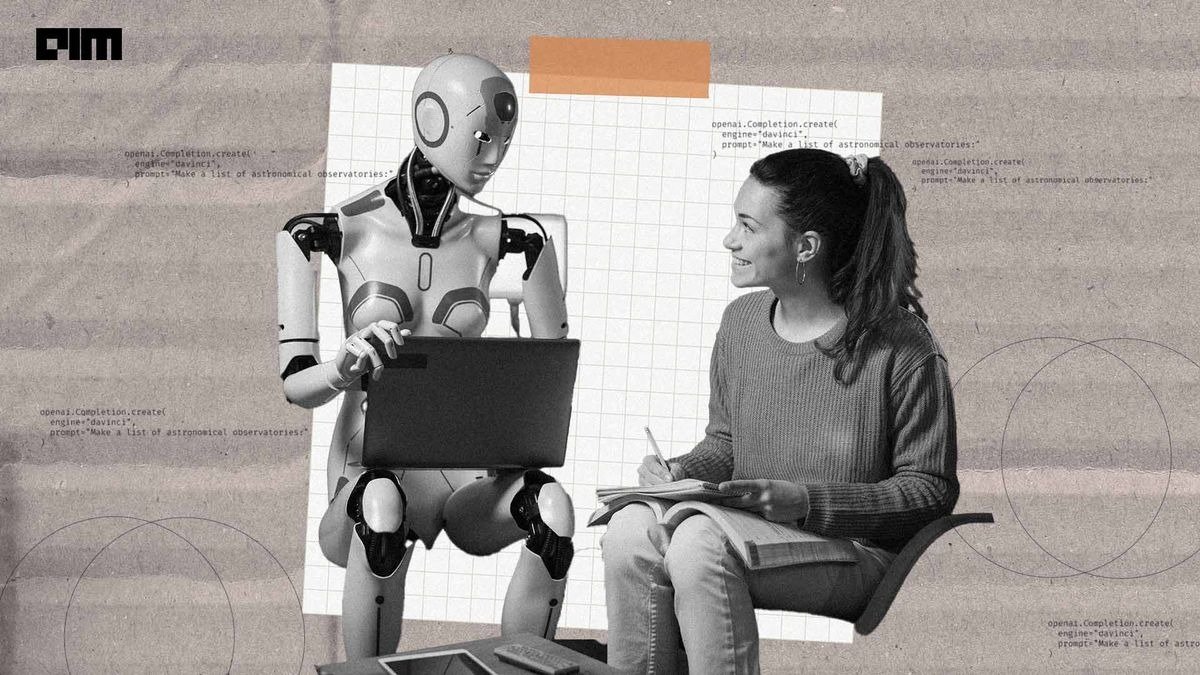
Education is expected to be one of the most visibly transformed areas. Instead of one-size-fits-all classrooms, students may learn through AI-powered systems that adapt lessons to individual needs. These digital teachers could analyse how each student absorbs information and adjust pace, format and content in real time. Virtual and augmented reality may also become standard tools, allowing students to explore historical events, scientific concepts or distant places in immersive ways.
Human teachers would not disappear, experts say, but their role would evolve. AI systems could handle routine tasks such as grading, testing and lesson delivery, while teachers focus on mentoring, creativity and social development. The goal would be to combine human judgment with machine efficiency, creating a more personalised and flexible education system.
Healthcare is another field likely to see major change. Cybernetics, which links biological systems with technology, could lead to advanced implants and neural interfaces. These tools may help people regain movement after injuries, restore lost senses or manage chronic conditions more effectively. Researchers are already experimenting with devices that connect directly to the nervous system, and by 2050 such technology could be far more refined and widely used.
Nanotechnology could further change medicine by enabling treatments at the molecular level. Tiny machines might deliver drugs precisely where they are needed, monitor health continuously or detect diseases earlier than current methods allow. While much of this technology is still experimental, scientists believe it has the potential to improve both treatment outcomes and quality of life.
Transportation could also look very different. Autonomous vehicles are expected to become common, reducing accidents caused by human error and improving traffic flow. Some experts imagine dedicated lanes or highways for self-driving cars, allowing faster and safer travel. Public transport systems may also rely heavily on AI to optimise routes, schedules and energy use.
Beyond Earth, human activity in space could expand significantly. By mid-century, experts believe permanent or semi-permanent bases on the Moon may be possible. These facilities could support scientific research and even manufacturing, particularly for products that benefit from low-gravity environments, such as certain pharmaceuticals or advanced materials.
Despite the optimism, these developments raise serious ethical and social questions. Widespread use of AI in education and healthcare would require careful handling of personal data, including biometric and health information. There are also concerns about unequal access, with advanced technologies potentially widening the gap between those who can afford them and those who cannot.
Some researchers also warn about the speed of AI development. As systems become more capable, society will need strong oversight to ensure humans remain in control. Discussions around long-term risks, including the possibility of AI systems acting independently of human intentions, are becoming more prominent among scientists and policymakers.
Still, many experts believe the benefits could outweigh the risks if technology is guided responsibly. AI and cybernetics could help address long-standing challenges in education, healthcare and mobility, while expanding human capabilities rather than replacing them.
By 2050, daily life may be deeply intertwined with intelligent machines, from personalised learning platforms to health-monitoring implants and autonomous transport. How these tools shape society will depend not only on technological progress, but also on the choices made now about regulation, ethics and inclusion.

