

Trump Clashes with Amazon Over Alleged Tariff Price Display – What Happened?
The White House and Amazon are embroiled in a heated dispute following reports that the e-commerce giant considered showing customers how much of a product’s price stemmed from tariffs imposed during Donald Trump’s presidency. The controversy erupted on April 29, 2025, after Punchbowl News revealed Amazon’s alleged plan, sparking sharp criticism from the Trump administration. The situation escalated when President Trump personally called Amazon founder Jeff Bezos to express his displeasure.
The Alleged Plan Behind the Conflict
Sources indicate Amazon explored displaying tariff-related price increases on its Haul platform, which connects buyers with bulk purchases. Given that over half of Amazon’s third-party sellers are based in China, Trump-era tariffs could significantly impact product pricing. The White House swiftly condemned the idea, with Press Secretary Karoline Leavitt labeling it a “hostile and political act.” Critics argue the move would unfairly single out Trump’s trade policies while ignoring other factors contributing to price hikes, such as inflation under the Biden administration.
Trump’s Direct Confrontation with Bezos
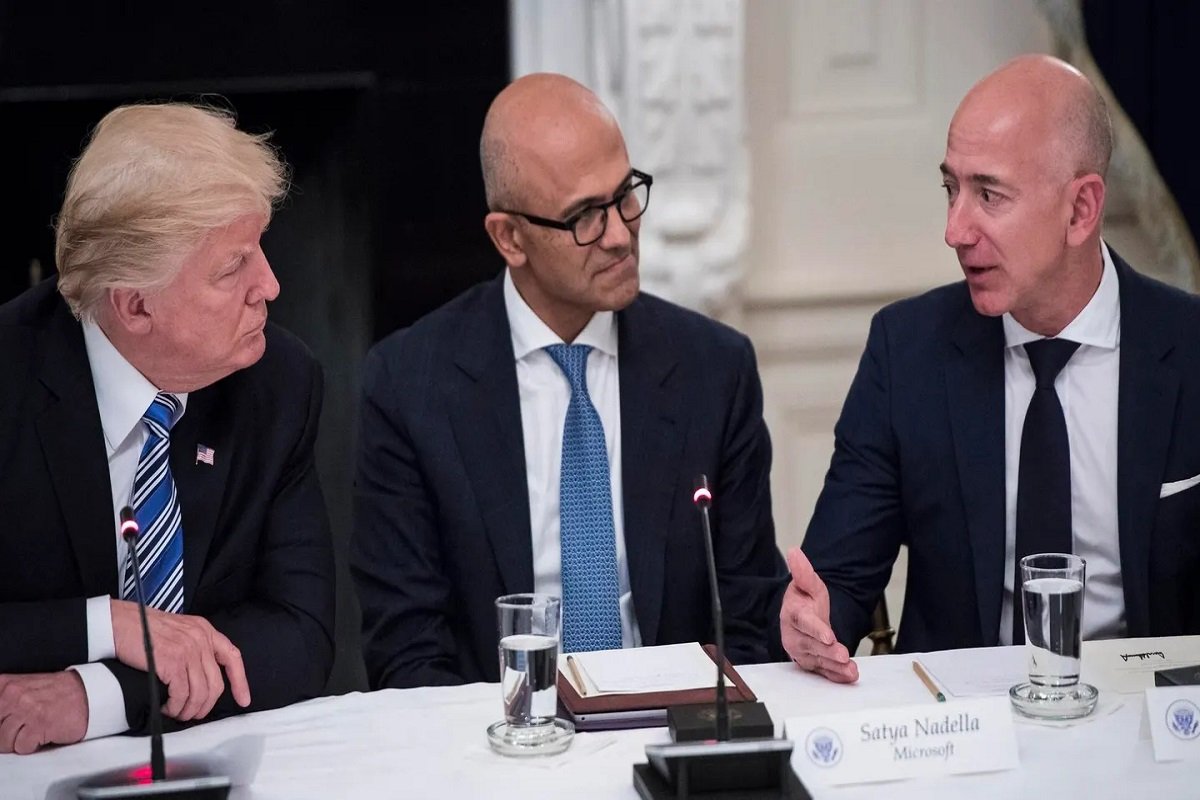
The tension reached new heights when President Trump called Bezos directly. The two have a complicated history, ranging from Bezos’ $1 million donation to Trump’s inauguration to a private dinner at Mar-a-Lago. However, this latest clash underscores the ongoing friction between tech giants and government trade policies. Trump’s intervention highlights how sensitive the administration is to corporate messaging that could shape public perception of its economic decisions.
Amazon’s Denial and Fallout
Amazon quickly denied the reports, with spokesperson Tim Doyle clarifying that while the company considered displaying import charges on Haul, the feature was never implemented. “There are no plans for a site-wide tariff display,” Doyle stated. Despite the denial, the damage was done—Amazon’s stock dropped by 1% following the White House’s public criticism. The incident raises questions about the unintended consequences of corporate transparency efforts, especially when they intersect with political narratives.
Broader Implications of the Dispute
This conflict extends beyond Amazon. It reflects deeper tensions between corporations and policymakers over trade, transparency, and influence. Small businesses relying on Amazon’s marketplace are caught in the middle, as tariffs directly affect their profitability. Meanwhile, the White House’s aggressive response suggests a growing willingness to challenge tech giants over perceived political bias.
What Comes Next?
With Amazon’s Q1 2025 earnings report on the horizon, investors will watch closely to see if the controversy impacts the company’s financial performance. More importantly, the clash underscores the delicate balance between corporate transparency and political messaging. As tech companies grow more influential, their role in shaping public opinion on policy matters will remain a contentious issue.
For now, the Trump-Bezos feud serves as a reminder of the complex, often adversarial relationship between political leaders and the tech industry—a dynamic that shows no signs of cooling.

