

Bubonic Plague: How It Modified Human Immune Responses
Bubonic plague, once a devastating scourge that decimated populations, remains a sporadic threat globally. Fortunately, modern antibiotics have revolutionized its treatment, making it far more manageable than in earlier times. Nonetheless, the historical impact of the disease persists in various ways.
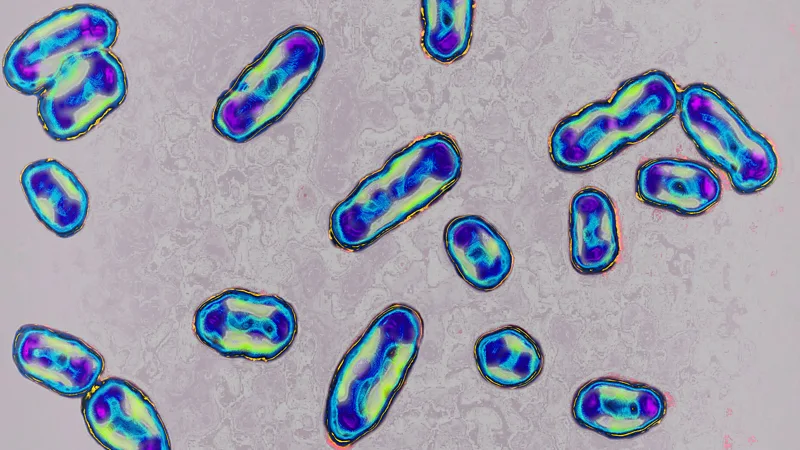
At its core, Yersinia pestis, the bacterium behind the plague, appears unremarkable under the microscope—a typical rod-shaped organism with limited mobility. Yet, its role in history is profound, having caused widespread mortality, including the catastrophic loss of a third of Europe’s populace and millions of deaths worldwide.
Even today, the mere mention of bubonic plague evokes both fear and intrigue. While the disease has become exceedingly rare in the United States and Europe due to lifestyle changes hindering its transmission from infected fleas to humans, isolated cases still emerge. The recent occurrences in Oregon and New Mexico underscore this ongoing reality, prompting continued vigilance among health officials.
According to evolutionary geneticist Paul Norman of the University of Colorado, Anschutz, small pockets of plague persist in the US, primarily circulating among wild animals like squirrels and prairie dogs. Although human cases average around seven annually in the US, deaths remain infrequent, with only 14 reported between 2000 and 2020. Contrastingly, regions like Madagascar experience more frequent outbreaks.
Despite its diminished prevalence, the bubonic plague has indelibly influenced human genetics. Evidence suggests Yersinia pestis has haunted humanity for millennia, with DNA traces dating back 4,000 years. However, the bacterium’s devastating eruption in 14th-century Europe as the Black Death marked a defining moment, claiming an estimated 50 million lives and shaping subsequent generations.
The catastrophic nature of plague outbreaks has spurred speculation about their lasting effects on human immunity. Researchers, including Norman, have explored whether natural selection during the Black Death favored genetic traits conducive to survival, thus leaving a genetic legacy in modern populations. Until recently, obtaining conclusive evidence remained elusive, given the challenges of extracting intact DNA from ancient plague victims.
However, breakthroughs in genetic analysis, particularly through the examination of the bony labyrinth within the inner ear, have provided new insights. Recent studies, including one in Ellwangen, Germany, revealed subtle genetic variations in modern populations linked to immunity against Yersinia pestis, indicating potential selective pressures during historical outbreaks.
Additionally, investigations into genes like ERAP2, crucial for immune response, have highlighted their role in surviving the Black Death. Variants of ERAP2 associated with enhanced immunity were more prevalent among medieval Londoners and Danes who survived the pandemic, suggesting ongoing genetic adaptations in response to historical disease outbreaks.
Despite these advances, gaps in understanding persist, necessitating further research into the broader genetic landscape of medieval Europe and subsequent centuries. Pontus Skoglund, a geneticist at London’s Francis Crick Institute, emphasizes the need for comprehensive genomic studies to unravel the full extent of genetic adaptations to past pandemics like the Black Death.
Moreover, while plague remains a subject of fascination, its study offers invaluable insights into historical disease dynamics and the evolutionary arms race between pathogens and human immunity. Understanding past mechanisms of disease resistance informs modern strategies for vaccine development and drug discovery, underscoring the enduring relevance of historical pandemics in shaping our health landscape.

