

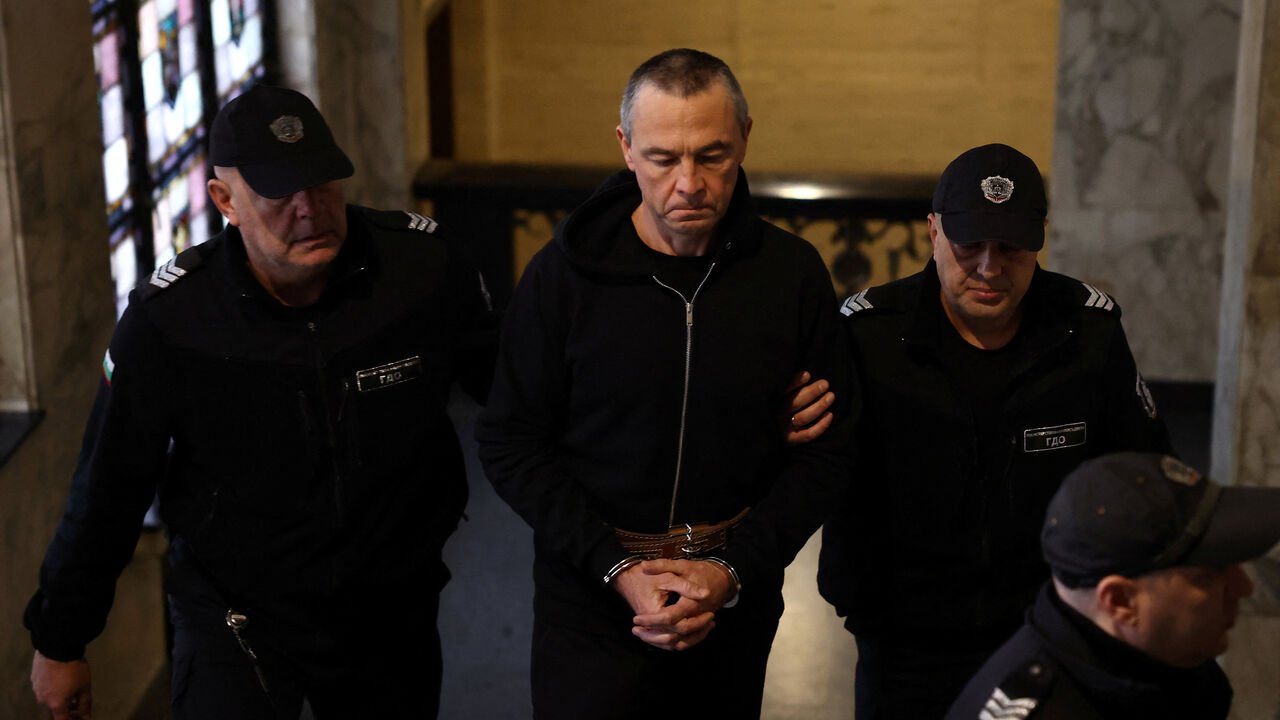
A Bulgarian court has rejected Lebanon’s request to extradite Igor Grechushkin, the former Russian-Cypriot owner of the cargo ship Rhosus, in connection with the 2020 Beirut port explosion. The ruling represents a significant setback in ongoing efforts to hold accountable those responsible for one of the deadliest non-nuclear explosions in history.
Grechushkin, 48, was detained in Bulgaria in September following an Interpol notice issued by Lebanese authorities. The Rhosus allegedly transported nearly 3,000 tonnes of ammonium nitrate that detonated at Beirut port on August 4, 2020. The explosion killed at least 218 people, injured over 6,500, and caused widespread destruction across Beirut, leaving tens of thousands homeless. The blast registered a seismic magnitude of 3.3 and was felt as far afield as Syria, Israel, and Cyprus.
The Sofia City Court ruled that Lebanon had not provided sufficient guarantees that the death penalty would not be imposed or carried out if Grechushkin were extradited. The hearing was held behind closed doors, but the decision can be appealed within seven days at the Sofia Court of Appeal, whose ruling will be final. Authorities have confirmed that Grechushkin will remain in custody while the appeal is pending.
Lebanese prosecutors, including supervising prosecutor Angel Kanev, indicated they would challenge the decision, asserting that Lebanon’s justice minister, Supreme Court, and prosecutor general had already provided necessary assurances. Grechushkin’s lawyer, Ekaterina Dimitrova, emphasized the court’s concern over potential capital punishment.
The Beirut port explosion has left an enduring mark on Lebanon. Investigations revealed that the ammonium nitrate had been stored for years in unsafe conditions despite repeated warnings. Over five years later, no senior Lebanese official has been held accountable. Families of the victims continue to accuse political leaders of obstructing justice to protect high-ranking figures. The initial investigative judge, who charged senior officials, was removed, and his successor, Judge Tarek Bitar, has resumed questioning current and former officials but has yet to issue a preliminary indictment.
The explosion caused approximately $15 billion in property damage and displaced around 300,000 residents, exacerbating Lebanon’s severe economic crisis. It remains a symbol of governmental negligence and systemic failures.
Earlier this month, Pope Leo XIV visited the site of the blast, offering prayers and lighting a lamp at a monument to the victims, underscoring the ongoing global attention to the tragedy and the continuing demand for accountability.

