

The Journey of Chef Robotics: From Near Failure to Thriving Success
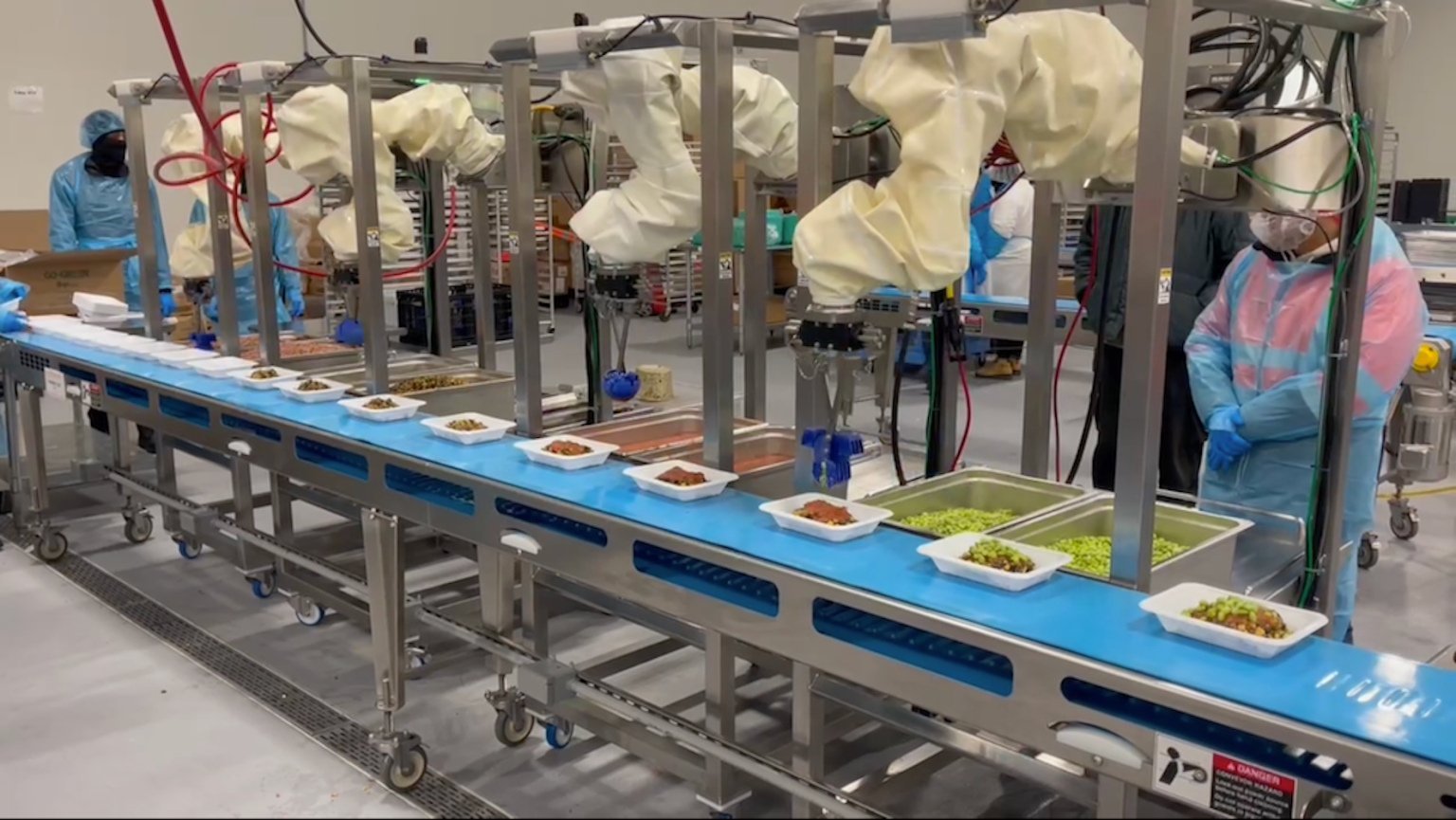
A few years ago, Chef Robotics faced what could have been the end of its journey. Founder Rajat Bhageria recalls dark periods where thoughts of giving up loomed large. However, encouragement from friends and investors kept him going. Today, Chef Robotics stands out as one of the rare food tech robotics companies that not only survived but thrived. With a recent $23 million Series A funding round, the startup has grown to 40 employees and boasts marquee clients like Amy’s Kitchen and Chef Bombay. So far, dozens of robots installed across the U.S. have produced an impressive 45 million meals.
This success story is particularly remarkable given the graveyard of failed food tech robotics companies. Names like Chowbotics with its salad-making robot Sally, pizza delivery robot Zume, food kiosk robot Karakuri, and more recently, agtech Small Robot Company, serve as cautionary tales. What set Chef Robotics apart was a bold decision by Bhageria—turning away signed customers and millions in revenue.
The Grasping Problem: Why Food Tech Robotics Struggles
The challenges began during Bhageria’s master’s studies in robotics at UPenn’s GRASP Lab. He envisioned a world where robots would handle household chores, mow lawns, and cook gourmet meals. This vision remains elusive primarily due to the robotic grasping problem. Engineers struggle to train robots to handle delicate items without damaging them. For instance, picking up a blueberry without squishing it or handling cheese without clumping presents significant hurdles.
Bhageria’s initial idea for Chef Robotics mirrored many failed startups—a robotic line for fast-casual restaurants. This industry suffers from chronic employee shortages, making automation appealing. “We actually had signed contracts. Like we had multimillion-dollar signed contracts,” Bhageria recounted. Yet, technical challenges proved insurmountable. Fast-casual restaurants require robots to assemble varied ingredients for each meal, a task too complex for current technology.
An Epiphany That Changed Everything
Faced with these limitations, Bhageria had a pivotal realization. Instead of trying to meet the demands of existing customers, perhaps different ones were needed. This epiphany came after persistent rejections from potential clients unwilling to let robots handle just one or two ingredients. Bhageria understood that gathering training data incrementally was crucial but unfeasible under the original model.
Saying no to lucrative contracts was daunting. Yet, this decision paved the way for discovering a perfect market within the food industry—high mix manufacturing. These are companies producing diverse recipes in bulk, such as meals for airlines, hospitals, or frozen consumer meals. In high mix environments, assembly lines consist of workers repeatedly adding specific ingredients to trays. Working in cold conditions for extended hours makes these jobs undesirable, leading to labor shortages.
Finding the Right Market and Securing Funding
For high mix manufacturers, flexible-ingredient bots developed in partnership with food makers became economically viable. As robots learned to handle chorizo, peas, sauces, or zucchinis, they accumulated essential real-world training data. This approach keeps Bhageria’s ultimate goal—serving fast-casual restaurants—on the roadmap.
Fundraising transformed dramatically after 2021’s challenging climate. Initially met with skepticism, Chef Robotics attracted renewed interest thanks to AI’s resurgence. Avataar Venture Partners, co-founded by former Norwest VC Mohan Kumar, actively sought to fund “AI in the physical world” startups and pursued Chef Robotics. Closing the latest round in less than a month, Avataar led alongside Construct Capital, Bloomberg Beta, and Promus Ventures, bringing total funds raised to $38.8 million. Additionally, a $26.75 million loan from Silicon Valley Bank supported equipment financing.
Looking Ahead: The Future of Chef Robotics
Chef Robotics’ pivot exemplifies strategic adaptation in a competitive landscape. By identifying the right niche and leveraging advancements in AI, the company overcame obstacles that doomed others. Its journey underscores the importance of resilience and innovation in achieving long-term success. With continued advancements and growing investor confidence, Chef Robotics is poised to redefine how food is prepared, one robot at a time.
As the food tech industry evolves, lessons from Chef Robotics highlight the value of understanding market needs and embracing technological constraints. Such insights will undoubtedly shape future innovations, ensuring sustainable growth and broader adoption of robotics in everyday life.

