

The Resurrection of Dire Wolves: A New Era in De-Extinction Science
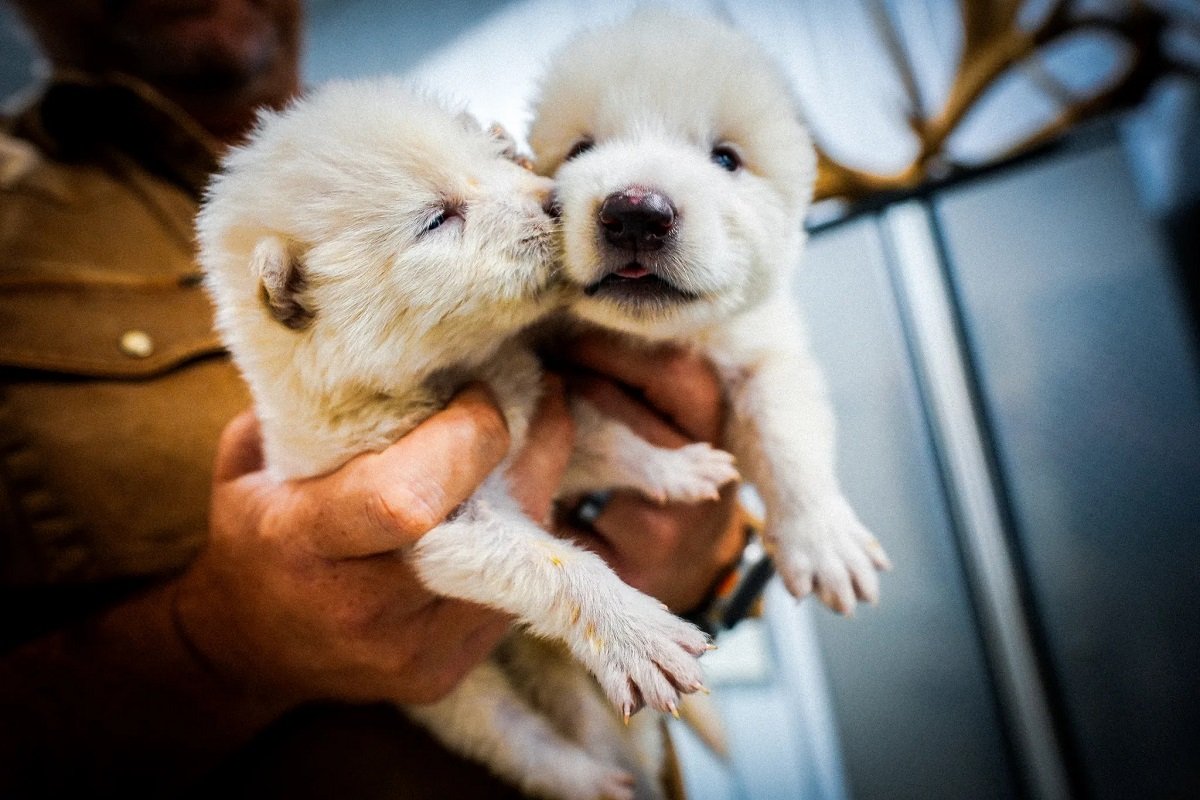
In a groundbreaking announcement, Colossal Biosciences unveiled its most ambitious project to date: the dire wolf. These majestic creatures, extinct for over 12,000 years, have captured the imagination of millions through popular culture, particularly HBO’s “Game of Thrones.” The unveiling took place at a highly secretive location in the northern United States, with journalists invited to witness the living animals at an undisclosed site due to concerns about AI-generated imagery.
Understanding the Dire Wolf Project
The live specimens observed included two six-month-old males, Remus and Romulus, each weighing approximately 80 pounds, along with Khaleesi, a two-month-old female. While these animals might appear similar to large wild dogs to the untrained eye, their creation represents an extraordinary scientific achievement. The project emerged from an 18-month research effort utilizing ancient DNA extracted from a 13,000-year-old tooth and a 72,000-year-old skull.
Scientists discovered that dire wolves share 99.5% genetic similarity with gray wolves. Using CRISPR technology, researchers edited gray wolf cells with 20 specific genes responsible for the dire wolf’s distinctive physical characteristics. These modified cells were developed into embryos and implanted into domestic dogs, resulting in the birth of these remarkable creatures.
Scientific Community Reaction and Ethical Considerations
While Colossal Biosciences hails this as a de-extinction success, some scientists maintain skepticism. David Gold, a Paleobiology professor at UC Davis, notes that these animals represent a hybrid rather than true de-extinction. Alexander Young, a statistical genetics professor at UCLA, emphasizes that only 0.3% of gray wolf genes were altered, leaving significant genetic differences from authentic dire wolves.
Ethical considerations played a crucial role in gene selection. Ben Lamm, Colossal’s CEO, explained that certain dire wolf genes associated with potential health issues like deafness and blindness were deliberately excluded. This cautious approach reflects the company’s commitment to responsible scientific advancement.
Connecting Conservation Efforts
The dire wolf project evolved unexpectedly from Colossal’s broader conservation initiatives. During discussions about endangered species, the team discovered the critical situation facing red wolves in North Carolina, where fewer than 12 individuals remain in the wild. This revelation aligned perfectly with ongoing conversations with indigenous communities about wolf conservation and cultural significance.
The same technology used to create dire wolves has already produced four red wolf clones, offering hope for saving this critically endangered species. Colossal plans to expand this program, potentially re-wilding both red wolves and dire wolves on indigenous lands after thorough behavioral studies.
Potential Business Implications and Future Applications
Colossal Biosciences’ recent $10.2 billion valuation raises questions about the commercial viability of de-extinction science. The company’s business model extends beyond mere species resurrection, incorporating multiple revenue streams. Already, two spin-off companies have emerged from Colossal’s research, including one focused on artificial womb technology with potential fertility treatment applications.
Future revenue opportunities may include governmental partnerships for endangered species conservation and participation in biodiversity credit markets. These credits, similar to carbon credits, could generate income if successfully reintroduced species enhance ecosystem biodiversity.
Technological Advancements and Broader Implications
The dire wolf project builds upon previous breakthroughs, such as engineering mice with mammoth-like fur. Each success brings Colossal closer to its ultimate goals of reviving woolly mammoths and Tasmanian tigers by 2028. The current focus involves expanding the dire wolf population to establish a functional pack structure while monitoring their health and behavior.
The intersection of advanced genetic engineering, conservation efforts, and cultural significance creates a unique opportunity for scientific progress. As Colossal continues its research, the implications extend far beyond single species revival, potentially revolutionizing approaches to biodiversity preservation and ecosystem restoration.
Conclusion: Balancing Innovation and Reality
While debates continue regarding the authenticity of de-extinction claims, Colossal Biosciences’ achievements mark significant progress in genetic engineering capabilities. The company’s multidimensional approach, combining cutting-edge science with practical conservation applications, demonstrates how modern technology can address complex ecological challenges while respecting ethical boundaries and cultural values.

