

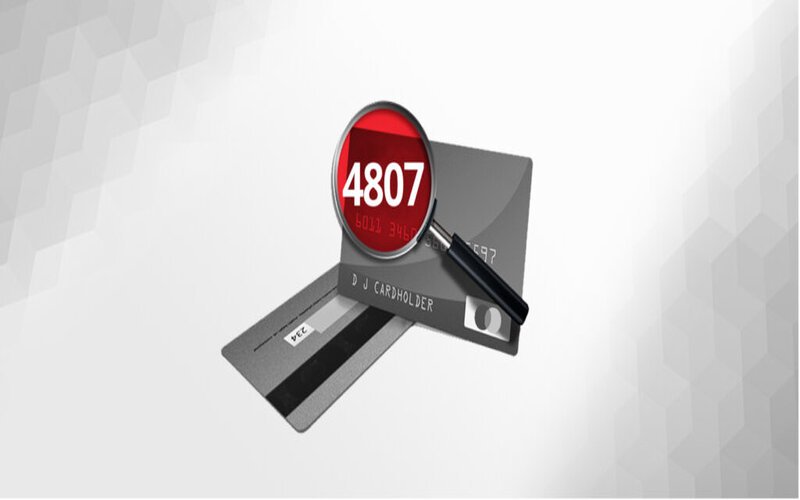
What is the Warning Bulletin?
The warning bulletin lists canceled, past-due, or stolen credit cards. The list is now online and updated in real-time, created by the two most prominent credit card vendors, MasterCard and Visa, and issued weekly in paper format. The suppliers provide retailers with instructions on collecting cards that have been reported for inappropriate usage and getting permission before taking the specified cards.
Understanding the Warning Bulletin
The cancellation bulletin, hot card list, restricted card list, and warning bulletin are some other names for it. Its goal is to discourage credit fraud, which costs people and companies billions of dollars annually. Because there are so many credit cards available and many transactions made daily, credit card processors must have a rapid and effective mechanism to share lists of card numbers that have been misplaced, stolen, or hacked. One of these strategies is the warning bulletin.
Visa and MasterCard demand that businesses and member institutions follow specific procedures and rules when retrieving and returning fake cards or cards that the authorized cardholder has not yet used. Returned cards to the issuer typically require the processor to take a few steps. If the merchant still needs to, the processor splits the card in two via the magnetic stripe. After receiving the card and any necessary paperwork, the processor sends the recovered card and necessary paperwork to the issuer. Cards should be retrieved because it can be done reasonably and safely.
Stopping Credit Card Theft
Credit cards have changed, much like warning bulletins have, from a paper list to an internet database with real-time updates. Specifically, the once commonplace magnetic stripes are replaced with integrated computer chips or EMVs. The EMV format has emerged as the accepted worldwide standard for card use at point-of-sale transactions and ATMs.
Chip cards are primarily intended to prevent data breaches and minimize credit card fraud. One of its main benefits is that it is difficult to copy. Magnetic strip cards are more straightforward to copy and reuse since the information on the strip is permanent and can be replicated with only a swipe of the card. On the other hand, chip cards generate unique one-time codes for each transaction. The former code contains all of the transaction’s information. As a result, the data acquired would not apply to future transactions.

