

What Is Batch Processing? How It Works, Examples, and History
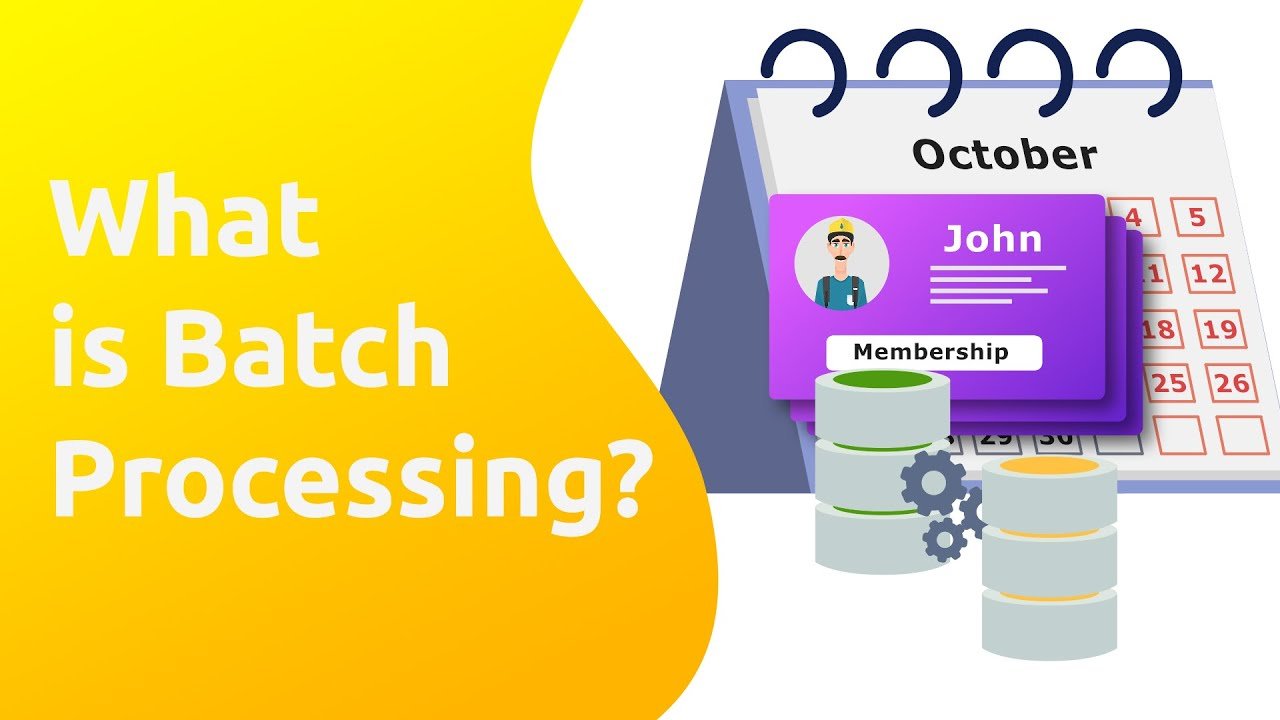
Batch processing is the processing of transactions in a group or batch. No user interaction is required once batch processing is underway. This differentiates batch processing from transaction processing, which involves processing transactions one at a time and requires user interaction.
While batch processing can be carried out at any time, it’s particularly suited to end-of-cycle processing, such as processing a bank’s reports at the end of a day or generating monthly or biweekly payrolls.
Understanding Batch Processing
For large enterprises, batch processing became a standard way of data compilation, organization, and report generation around the middle of the 20th century with the introduction of the mainframe computer. The early mechanics of processing a batch involved feeding a computer a stack of punched cards that held commands or directions for the computer to follow.
Herman Hollerith (1860–1929) is credited with developing the punch card around 1890 when he was employed as a statistician for the U.S. Census Bureau. This punch card became the foundation for widespread batch processing around 50 years later.
Batch processing jobs are run at regularly scheduled times (e.g., overnight) or as needed. Each month, batch processing typically generates bills for utilities and other services that consumers receive. Batch processing is beneficial because it is a cost-effective way of handling large amounts of data simultaneously. One caveat is that the inputs for the processing must be correct, or the results of the whole batch will be faulty, wasting time and money.
History of Batch Processing
A defining characteristic of batch processing is minimal human intervention, with few, if any, manual processes required. This is part of what makes it so efficient, though it wasn’t always that way.
Batch processing started with punch cards, which were tabulated into computer instructions. Entire decks, or batches, of cards would be processed simultaneously. Herman Hollerith developed this system as far back as 1890. Hollerith developed it to process data from the U.S. Census.1 An electromechanical device reads the card after receiving a manual punch. Hollerith patented his invention as the “Electronic Tabulating Machine” and later joined a group of other inventors and investors to form the Computing-Tabulating-Recording Company (CTR), which would eventually become International Business Machines or IBM.
Unlike earlier iterations, the functions of modern batch processing are entirely automated to meet specific time conditions. While some tasks are done immediately, others are conducted in real-time and monitored regularly. If there are any problems with the process, the system notifies the appropriate personnel through exception-based management alerts. This automation provides managers with time for other duties.
The software identifies exceptions through a system of monitors and dependencies, which causes batch processing to start. Exceptions may include online customer orders or a request from the system for new supplies.
Advantages of Batch Processing
Faster and Lower Cost
Operational costs such as labor and equipment are cut with batch processing because it cuts the need for human oversight of physical hardware like computers. And because batch processing is designed to be quick, efficient, and error-free, personnel can focus on other duties.
Offline Features
Unlike others, batch processing systems work anywhere, at any time. That means they continue to work outside regular business hours. They can also work in the background offline, so even during down periods, they’ll still work without putting a dent in the organization’s daily routine.
Hands-Off Approach
As mentioned above, having a batch processing system in place gives managers and other essential personnel time to do their jobs without having to spend time supervising batches. Alerts are sent when problems arise. This allows workers a hands-off approach to batch processing.
Disadvantages of Batch Processing
Business owners may want to consider a few pitfalls of batch processing before implementing such a system.
Deployment and Training
Like many technologies, training is required to manage batch processing systems. Managers will need to learn what triggers a batch, how to schedule processing, and what exception notifications mean, among other things.
Debugging
The systems are often complex, requiring someone on staff to be familiar with the program. Otherwise, companies or organizations may need to hire an information technology specialist for help.
Cost
Batch processing infrastructure can be an expensive upfront investment. For some businesses, the costs may not seem feasible.
Conclusion
- Batch processing is a technique for automating and processing multiple transactions as a single group.
- Batch processing helps handle payroll, end-of-month reconciliation, or settling trades overnight.
- Batch processing systems can save money and labor over time, but they may be costly to design and implement upfront.

