

The Federal Reserve is expected to hold interest rates steady on Wednesday, but the decision comes at one of the most complicated moments the central bank has faced in years — caught between rising inflation driven by the Iran war and growing signs of weakness in the job market.
Fed officials began the second day of their two-day policy meeting against a backdrop that shifted even as they were sitting down. Benchmark oil prices jumped from $104 to $108 a barrel following reports of an Israeli strike on an Iranian gas processing facility, adding fresh pressure to an economy already dealing with the fallout from a conflict that began less than three weeks ago. The average price of petrol at the pump hit $3.84 a gallon on Wednesday morning — up roughly 28% since the war began. Airlines are already warning passengers to expect higher fares as jet fuel costs surge, and the White House has confirmed it is looking for alternative sources of agricultural fertilisers.
The Iran war isn’t the only problem. Even before the conflict broke out, inflation was proving stubborn. US producer prices rose 3.4% year-on-year in February — the fastest pace in a year — a figure that can filter through into retail prices and signals further inflationary pressure ahead. The February jobs report, meanwhile, showed the economy shed 92,000 positions. The combination of rising prices and weakening employment is the classic recipe for stagflation, and it’s a word economists are increasingly willing to use.
KPMG chief economist Diane Swonk said the Fed’s updated projections — due at 2pm EDT on Wednesday alongside its rate decision — are likely to move in a stagflationary direction. She expects policymakers to mark down their growth forecasts while marking up their estimates for both inflation and unemployment. The so-called dot plot, which tracks where individual officials expect rates to go, is likely to reflect a split: some pushing for cuts to protect the job market, others holding firm or even hinting at rate hikes before the year is out.
Investors have already adjusted. Expectations for rate cuts have been pushed back sharply, with markets now pricing in no reductions until December at the earliest — even with Trump’s newly nominated Fed chief Kevin Warsh expected to take over from Jerome Powell by the June meeting. Trump, who has long pressured the Fed to cut rates, posted again on Truth Social on Wednesday referring to Powell by his preferred nickname “Too Late” and asking when rates would come down.
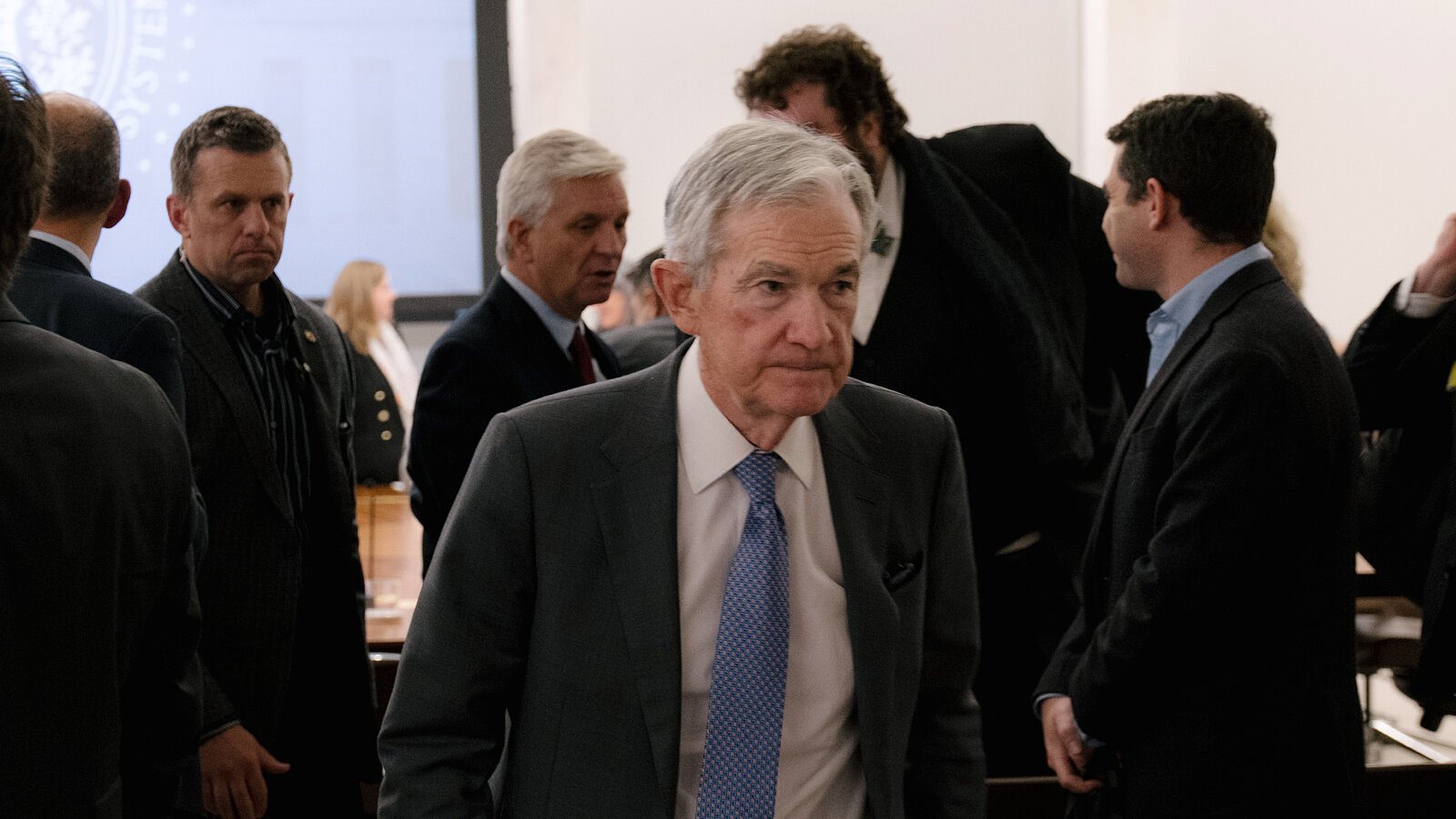
Fed Chair Powell is scheduled to hold a press conference at 2:30pm EDT. The policy statement will be closely scrutinised for any language suggesting that the next move in rates could be a hike rather than a cut — a significant shift that would signal just how seriously the Fed is taking the inflation threat.
This is the second major stagflationary shock the Iran war has delivered to the Fed’s calculations. The first came from Trump’s tariff agenda, which officials had already been wrestling with at their January meeting. The war has simply made a difficult situation harder to read, and with no clear end to the US-Israeli bombing campaign in sight, economists say the domestic fallout depends heavily on how long the conflict continues and where oil prices settle once the dust clears.

