

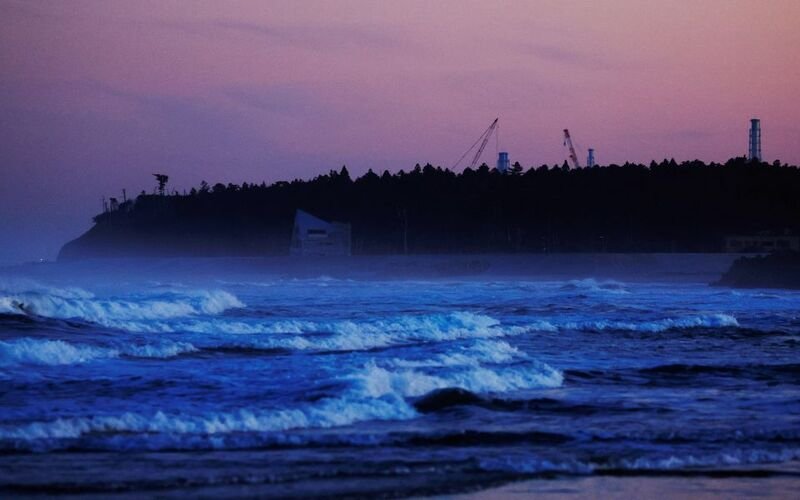
It was reported in the media that Japan is planning to begin the release of treated water from the Fukushima nuclear plant into the Pacific Ocean. This decision has raised concerns and sparked discussions on the potential environmental implications. In this article, we delve into the details of Japan’s plan, the water treatment process, and the broader implications for the marine ecosystem and international relations.
The Plan for Water Release
Treated Water Release
Japan’s plan involves releasing treated water from the Fukushima nuclear plant into the Pacific Ocean. The water to be released has undergone an extensive treatment to remove most radioactive contaminants, except for tritium, a mildly radioactive hydrogen isotope.
Timing of Release
According to the media report, the water release is set to begin in early to late August. The specific timing will depend on completing the necessary preparations and consultations with stakeholders.
The Treatment Process
Advanced Liquid Processing System (ALPS)
The treated water originates from the Advanced Liquid Processing System (ALPS), a sophisticated system used to purify the contaminated water accumulated at the Fukushima nuclear plant site. ALPS effectively removes a wide range of radioactive isotopes, leaving only tritium in trace amounts.
Safety Standards Compliance
Japan has consistently asserted that the treated water’s release will adhere to rigorous safety standards set by domestic and international authorities. The decision to release the water follows expert evaluations and consultations to ensure minimal impact on human health and the environment.
Environmental and International Concerns
Environmental Impact
Despite assurances regarding the safety of the treated water, concerns persist about its potential environmental impact on marine life and coastal ecosystems. Tritium, while considered relatively low-risk, can still pose environmental challenges, raising questions about the potential consequences for marine organisms and the ocean ecosystem.
International Relations
Japan’s decision to release the treated water into the Pacific Ocean has implications for international relations, especially with neighboring countries concerned about potential transboundary effects. Japan has engaged in consultations and discussions with relevant stakeholders to address these concerns.
Conclusion
In conclusion, Japan’s plan to release treated water from the Fukushima nuclear plant into the Pacific Ocean has raised environmental and international concerns. The treated water through the Advanced Liquid Processing System (ALPS) will primarily contain tritium, while other radioactive contaminants have been effectively removed. Despite Japan’s assurances of adhering to stringent safety standards, the environmental impact and international relations implications remain topics of concern and scrutiny. As the release is set to begin in early to late August, the global community will closely monitor the situation, emphasizing the importance of transparent communication and collaborative efforts to address the potential consequences on the marine ecosystem and international relations.

