

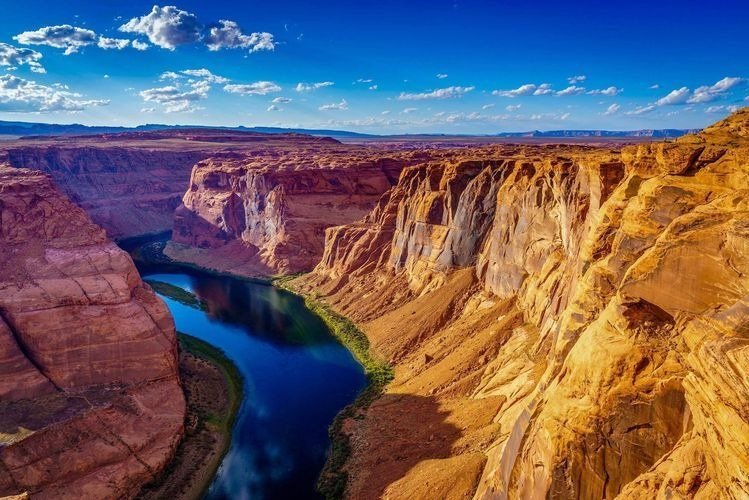
Most visitors to Canada never see its heartland wilds, but paddling the Nahanni River takes adventurers deep into the Nahanni National Park Reserve a dramatic river canyon system in the Northwest Territories often called the “Grand Canyon of Canada.” This remote wilderness journey, best experienced by canoe or raft, unfolds over days of paddling past soaring cliffs, thunderous waterfalls and quiet campsites where human voices are rare.
The Nahanni’s reputation as a near-mythical river dates back to RM Patterson’s 1954 book The Dangerous River, which chronicled an early canoe expedition through its canyons. Today, paddling these waters remains a bucket-list adventure for outdoor lovers and river travelers who want to experience one of North America’s most untouched landscapes.
A typical expedition begins at Virginia Falls, one of the most powerful cascading waterfalls in the world, and winds roughly 217 kilometers (135 miles) downriver to Nahanni Butte, with guides and outfitters leading groups through the five major canyon sections. While not a high-adrenaline whitewater run, the journey blends gentle river travel with breathtaking scenery and deep cultural history.
Access itself is part of the adventure there are no roads into the park, and most journeys begin with a small-aircraft flight from towns like Fort Simpson or Yellowknife into remote put-in points along the South Nahanni River. The floatplane’s roar gives way to silence once on the water, where towering rock walls and ancient wilderness stretch in every direction.
The canyons were carved over millions of years by the river slicing through limestone, shale and sandstone, creating sheer cliffs that in places rise more than 1,200 meters (almost 4,000 feet) above the water. These dramatic walls, combined with cedar and spruce forests edging the riverbanks, give Nahanni a grandeur that many travelers find as striking as the Grand Canyon in the U.S., though the Nahanni sees far fewer visitors often fewer than 900 overnight guests each year.
Most paddling trips are multi-day guided expeditions that range from about a week to nearly two weeks, allowing time for paddling, hiking and cultural connection. Many outfitters limit group size and itineraries to preserve the fragile wilderness and respect Indigenous land stewardship; the park was designated Canada’s first National Park Reserve in 1972 under a cooperative agreement with local First Nations.
While the river’s upper reaches above Virginia Falls can only be accessed by canoe and contain flat, calm waters suited to lightweight craft, the lower reaches are navigable by rafts and guide-provided canoes. These lower sections carry paddlers through calm stretches interspersed with gentle current, with most of the journey allowing passengers to relax and take in the panoramic beauty rather than tackle technical rapids.
One of the first iconic sights on such a trip is Virginia Falls itself known locally as Náįlįcho, meaning “big woman,” this waterfall drops about 96 meters (twice the height of Niagara Falls) and sends a thunderous plume of mist into the surrounding valley. Parks Canada maintains walkways and interpretive viewpoints here, offering travelers a chance to learn about both the natural wonder and the Indigenous stories connected to the land.
Downriver, each of the five canyon sections presents its own visual drama. Camps are set along the river’s edge, and guides lead hikes to overlook points and side streams where smaller cascades tumble into the main waterway. Wildlife sightings from bald eagles gliding above the canyon rims to moose and caribou grazing near river bends join moves between sections as part of the daily rhythm.
A paddling trip on the Nahanni is more than a scenic float; it is also a voyage into the cultural and exploration history of Canada’s North. Indigenous Dene guides and Parks Canada staff often share stories about traditional canoe travel, historic trapping routes and early exploration tales, including the legacy of Pierre Elliott Trudeau’s 1970 canoe expedition here, which helped build political support for preserving the region.
The solitude and scale of the landscape are defining parts of the experience. Unlike busier national parks, Nahanni remains extraordinarily remote, and travelers quickly understand the sense of being far from modern civilization. Here, silence and stillness are as remarkable as the towering canyons; chances of encountering other human visitors are slim once the group leaves the falls behind.
Accommodations are rustic but comfortable, with guided trips providing gear, meals and safety support. Guides prepare meals over campfires or portable stoves from bannock, an Indigenous fry-bread staple, to hearty dinners cooked after a day on the river. Campsites offer sweeping views of the canyon walls at sunrise and sunset, enhancing the sense that this journey is as much about connection with nature as it is about paddling itself.
For seasoned paddlers seeking more challenge, sections of the Nahanni above Virginia Falls can be incorporated into longer expeditions that include whitewater stretches and hiking in the nearby Cirque of the Unclimbables, a cluster of jagged granite peaks that attract climbers from around the world. Those routes blend river travel with backcountry hiking and camping, extending the wilderness experience.
No matter the route chosen, paddling the Nahanni requires careful planning and often considerable expense, given the remote flights, guided services and outfitter logistics. Still, many travelers view it as a once-in-a-lifetime adventure precisely because of these challenges and the unparalleled sense of solitude they afford.
Safety and environmental stewardship are key components of any expedition. Guides emphasize “pack it in, pack it out” practices, group safety drills and river etiquette, ensuring that travelers respect the park’s delicate ecosystems and the traditions of the Indigenous peoples whose territories they traverse.
The Nahanni’s landscape also shows its geological history in the rock layers exposed along the canyon walls. These strata reveal ancient environments and the grinding, persistent force of flowing water over millions of years, giving travelers not just a visual spectacle but also a sense of deep geological time.
Ultimately, paddling through the “Grand Canyon of Canada” is both an intimate and epic journey. It’s intimate because it brings people into close contact with nature, cultural history and physical challenge. It’s epic because of the scale of the surroundings towering cliffs, silence broken only by water and wind, and the slow, purposeful progress of a river that has shaped this land long before any road or trail was ever cut into it.
For those who make the trip, memory of gliding through the Nahanni’s deep canyons with only the paddle for company and rock walls rising like cathedral spires on either side often becomes what many describe as one of the most meaningful wilderness experiences in North America.

