

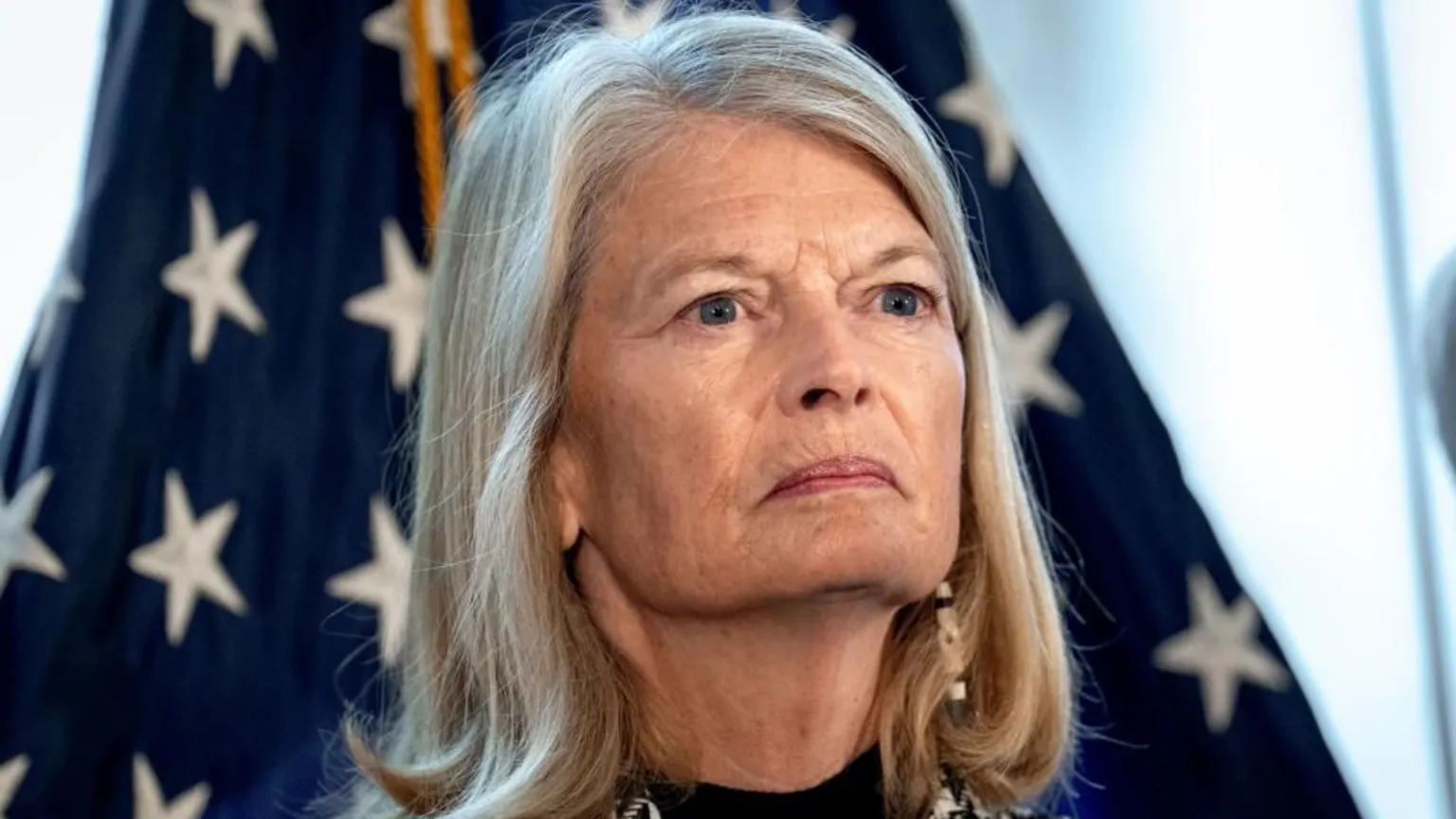
Republican lawmakers are beginning to break with the Trump administration over its immigration crackdown in Minneapolis, as the party scrambles to respond to public anger after two US citizens were killed by federal agents.
Still, even as some Republicans in Washington criticize the shootings, most have stopped short of directly faulting President Donald Trump or his broader immigration agenda.
The party’s shifting message highlights a central problem as Republicans head toward the midterm elections.
The challenge is how far to distance themselves from the most controversial moments of Trump’s second term while still running on his overall record on immigration and other issues. That record remains popular with conservative voters and was largely shaped by legislation Republicans supported in Congress.
The response to the fast-moving events in Minneapolis shows how carefully the party is trying to balance those pressures.
Public anger forces a new focus
So far, Republican criticism has focused on US Immigration and Customs Enforcement (ICE) and other agencies within the Department of Homeland Security involved in the Minneapolis operation.
At the same time, Republicans have continued to back Trump’s immigration plans since his return to the White House, while avoiding public emphasis on that support.
Last year, the Republican-led Congress approved about $45bn (£33bn) for border security and expanded interior enforcement, funding Trump’s plan to deport millions of undocumented migrants.
That backing has continued even as polls show growing public concern over ICE’s tactics. A New York Times/Siena poll released last Friday found that 61% of voters believe ICE has “gone too far.”
The poll came two weeks after Renee Good, a US citizen, was fatally shot by a federal agent in Minneapolis, and one day before another citizen, Alex Pretti, was killed there — an incident that sparked protests nationwide.
In the same survey, roughly half of voters said they supported deporting people living illegally in the US, and about half approved of the administration’s approach at the southern border.
After the killings, Senator Rand Paul of Kentucky, who chairs the Senate Homeland Security and Governmental Affairs Committee, called on Monday for ICE leaders and two other agency heads to testify next month. Other Senate Republicans also called for increased oversight following Pretti’s death.
“The tragedy and chaos the country is witnessing in Minneapolis is shocking,” Senator Lisa Murkowski of Alaska wrote online. “ICE agents do not have carte blanche in carrying out their duties.”
Murkowski’s comments were not unexpected. She is one of the few Republicans who has openly criticized Trump since his first term. Paul has also clashed with the president in the past.
Senator Thom Tillis of North Carolina went further on Tuesday, becoming one of the first prominent Republicans to call for Homeland Security Secretary Kristi Noem to resign.
Noem “has proven to be way out of her depth,” Tillis said, adding that her role in Minnesota “should be disqualifying.”
The White House said Trump still has confidence in Noem.
Facing “serious, unanswered questions”
Moderate Republicans are not alone in criticizing the Minneapolis operation.
Some of Trump’s allies in Congress have also spoken out, though most statements were carefully worded and avoided naming the president.
“There are serious unanswered questions about federal use of force in Minnesota. Transparency and accountability are essential,” said Representative Max Miller of Ohio, a former Trump adviser.
Representative Andrew Garbarino of New York, who chairs the House Homeland Security Committee, called for ICE and other agency leaders to testify before Congress. He also backed a full investigation into Pretti’s shooting.
“Congress has an important responsibility to ensure the safety of law enforcement and the people they serve and protect,” Garbarino said.
Senator Ted Cruz of Texas offered a sharper critique, though he focused on tone rather than policy.
“What I think the administration could do better is the way they talk about this,” Cruz said Monday on his podcast. “When something like this happens, they shouldn’t immediately declare victory.”
The Republican response has also been complicated by a separate fight over gun ownership, which has put the administration at odds with the National Rifle Association (NRA). After Pretti’s death, a Trump-appointed federal prosecutor in Los Angeles warned online that armed individuals approaching law enforcement face a “high likelihood” of being shot.
The NRA condemned the remarks, saying officials should wait for a full investigation rather than “demonizing law-abiding citizens.”
Some Republicans continue to defend the enforcement actions in Minneapolis and elsewhere. Trump’s immigration policies remain popular with the party’s base, and some Minnesota Republicans told the BBC they see no need for the president to change course.
“They’re just doing their job,” said Jay Cielinski, a 59-year-old home inspector and Trump supporter from Zimmerman, north of Minneapolis.
Cielinski said protesters and local officials should not interfere with federal operations — a view echoed by Trump and senior administration figures.
“They should stay out of the way,” he said. “State and local officials should be encouraging ICE to go in.”
The careful criticisms from Cruz and others suggest an effort to show accountability without alienating supporters like Cielinski.
Pivoting to a softer approach
Republican criticism has grown as Trump himself softened his tone after more details emerged about Pretti’s death.
Initially, Trump called Pretti a “gunman,” and officials said the 37-year-old ICU nurse had arrived armed to attack agents.
Others disputed that account, saying Pretti was filming ICE agents and helping a woman who had been pushed to the ground. Video footage appears to show him holding a phone, not a weapon, when he was shot.
Trump has since adjusted his language and moved to ease tensions. This week, he sent White House border adviser Tom Homan to take over the operation, known as Operation Metro Surge. The move was expected to sideline senior Border Patrol official Gregory Bovino.
Trump said Tuesday that Homan’s role was meant to calm the situation. “We’re going to de-escalate a little bit,” he told Fox News.
He also spoke Monday with Minnesota Governor Tim Walz and Minneapolis Mayor Jacob Frey, both Democrats. Frey later said Trump agreed the current situation “can’t continue.”
White House rhetoric softened as well.
“Nobody in the White House wants to see people hurt or killed,” Press Secretary Karoline Leavitt said Monday. “The president wants the chaos to end.”
Those remarks appear to have given more Republicans space to express concern.
What comes next for the party’s immigration message remains unclear, both ahead of the midterms and after the violence in Minneapolis.
A looming budget fight could harden partisan lines. Senate Democrats have pledged to block any spending bill that includes more DHS funding, raising the risk of a government shutdown later this week.
That fight could force Republicans to defend Trump’s immigration agenda and drown out calls for investigations into the shootings.
Republicans are also likely to continue following Trump’s lead. His next moves will shape the debate in the days and weeks ahead.

