

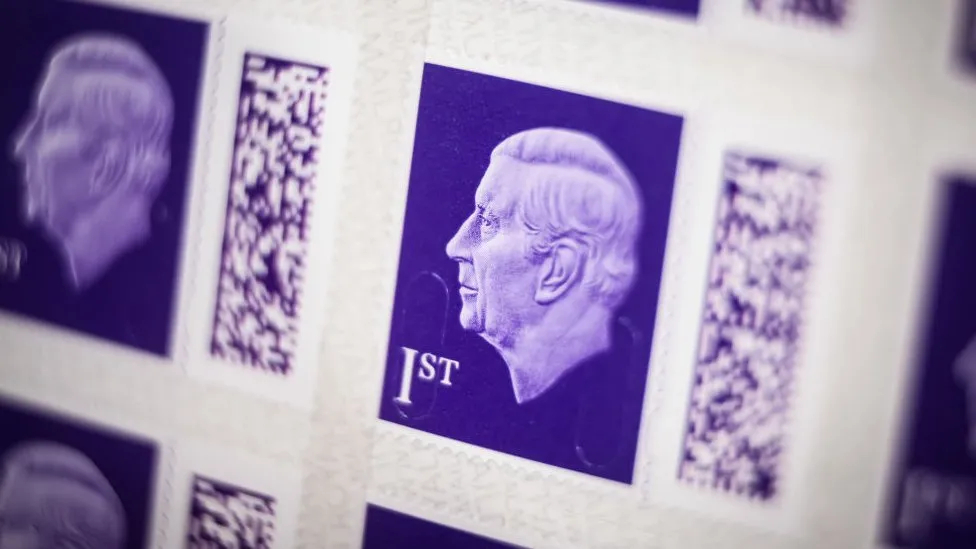
Royal Mail Reveals Upcoming Hike: First Class Stamp Price to Rise
On April 2, the cost of sending letters via first-class and second-class mail will see its fourth increase in two years, as announced by Royal Mail. The price of a first-class stamp will rise by 10p to £1.35, while the price of second-class stamps will increase by 10p to 85p. This move is attributed to the loss-making nature of the postal service, which has grappled with higher costs and diminished demand for traditional mail.
Royal Mail’s decision comes on the heels of warnings about the company’s struggles, including challenges with deliveries, as reported by the BBC earlier this week. The price hike aims to offset the impact of declining letter volumes, which have decreased from 20 billion to seven billion in recent years. Nick Landon, Chief Commercial Officer at Royal Mail, explained the decision, noting the need to adjust to the changing landscape: “It is no longer sustainable to maintain a network built for 20 billion letters when we are now only delivering seven billion.”
The decline in letter volumes has necessitated postal workers covering greater distances to deliver the same number of letters, leading to increased delivery costs per letter. The price changes are a response to this evolving reality and aim to ensure the financial sustainability of the postal service.
Royal Mail, which reported a loss of £419 million last year, emphasizes the lack of reform in the Universal Service Obligation (USO) as a critical factor behind the price adjustments. The USO mandates the delivery of letters to all 32 million UK addresses six days a week. However, as the popularity of parcel deliveries has grown, the profitability of letter deliveries has diminished, prompting calls for reforms to modernize the postal service.
Possible reforms, including reducing delivery days from six to five or even three, have been proposed by the regulator, Ofcom. Such changes could result in substantial cost savings for Royal Mail. Despite the potential benefits, the government has maintained its commitment to a six-day postal service, highlighting the ongoing debate over the future of the postal system in the face of changing consumer habits and preferences.
Consumer groups have criticized the price hikes, mainly when delayed deliveries have left many waiting for essential letters. Morgan Wild of Citizens Advice noted that customers should not bear the brunt of price increases for an unreliable service. Criticism has also been directed at Ofcom, urging the regulator to hold Royal Mail accountable and address the service’s challenges. The ongoing debate underscores the need to comprehensively examine the postal service’s structure and operations in response to the changing dynamics of the modern communication landscape.

