

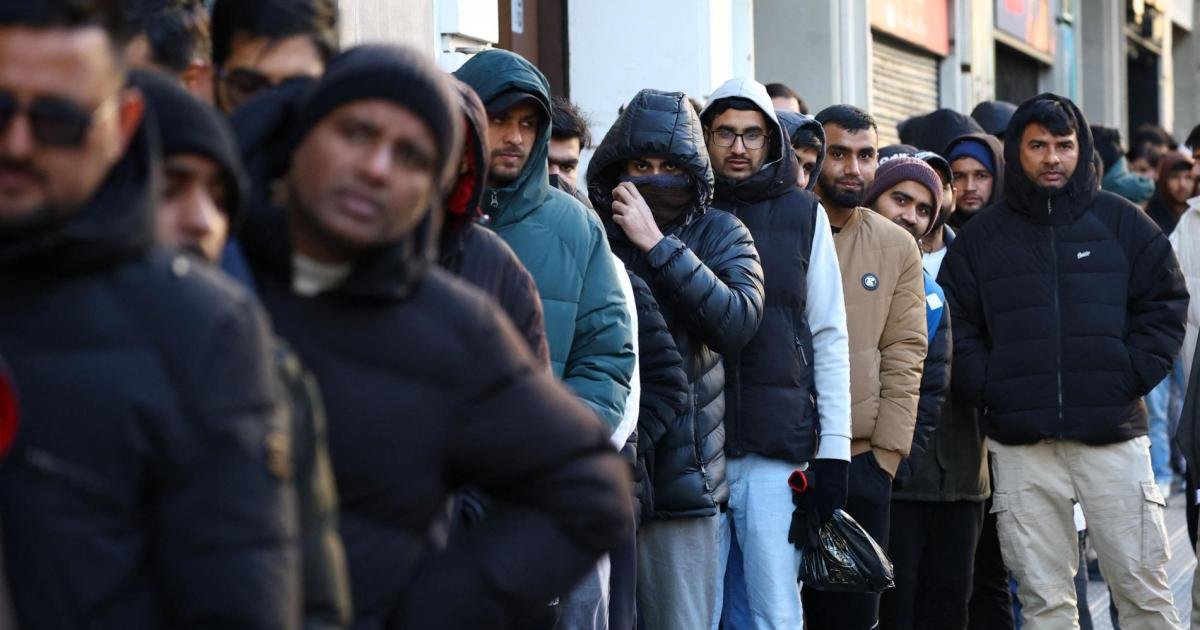
Spain’s big-hearted migrant amnesty dream is turning into a bureaucratic dumpster fire before it even kicks off, with 500,000 shadow-dwellers scrambling for papers while government offices buckle like overloaded donkeys. Announced last month as a lifeline to yank workers from black-market hell into the light, it’s already swamping counters nationwide—lines snaking around blocks, staff drowning in “What do I do?” pleas. No cash, no extra hands: unions howl it’s doomed to implode come April’s starting gun.
Picture the scenes: Valencia fruit pickers, Madrid nannies, Andalusia cleaners—folks who’ve toiled invisibly for years, dodging raids, no safety nets—now jammed outside immigration bureaus, clutching faded residency proofs and asylum stubs from ’25. The pitch? Fast-track legal status for anyone hunkered down five straight months or prior claimants. Work legally in 15 days? Sweet talk, but lawyers scoff—current waits stretch two-three years for the “regular” path. With 840,000 undocumented in the mix, this is a stampede at a turnstile.
Frontline warriors are melting down. Civil servants, untrained on the new “preferential” software (if it even exists), field chaos daily. “It’s bedlam,” one union rep vented— no budgets since ’23 gridlock froze Madrid’s wallet. Past amnesties like 2005? They hired 2,000 temps, spun up info hubs. Now? Begging NGOs and unions to play paper-pusher. Evening shifts, weekends? Sure, if you want burnout bonfires—no OT pay in sight amid the migrant flood.
For applicants, it’s agony. These are lives on the line: families split by deportation fears, kids in limbo schools, wages stolen sans contracts. One Barcelona domestic worker shared her dread: “I’ve cleaned houses 10 years, taxes paid under table. Amnesty’s my shot at doctor visits, a bank account. But lines? Rumors? I’m terrified it’ll slip away.” Desperation breeds sharks—fly-by-night “advisors” hawking bogus guides, preying on panic.
Politics poisons the pot. Minority government’s wheeling-dealing for survival, opposition brands it a “magnet” for more boats from Senegal, Syria. Proponents counter: legalize ’em, plug labor gaps in farms and eldercare, juice taxes for growth. Fair point—Spain’s boom owes these ghosts. But without regional buy-in or a decree drop (still brewing), it’s vaporware. Local councils improv kiosks, but advice clashes like bad tapas.
Ministry mouths “smooth launch,” yet skepticism reigns. No training, no funds—echoes of Italy’s migrant meltdowns or Greece’s island overloads. Unions push overtime realism; extend hours sans support? Recipe for revolt. Municipalities scramble, but fragmented intel sows more confusion.
This isn’t just admin blues; it’s Spain’s soul test. Post-Franco openness clashes with Fortress Europe vibes—amnesty as pragmatic mercy or open invite? Economically, winners: formalized workforce fills 700,000 vacancies, boosts GDP. Fail, and underground festers, services strain harder—hospitals clogged, schools burst.
As April looms, Madrid must rally: fund the frontlines, train troops, sync regions. Or watch hope curdle to rage. I’ve seen these lines—eyes hollow with “what if,” kids clinging amid shouts. Thousands refresh ministry sites hourly, hearts pounding for a roadmap.
Yet amid snarl, flickers of grit: migrants banding WhatsApp groups for tips, volunteers manning pop-up clinics. Spain’s messy generosity could triumph if brass steps up—pour cash, hire hordes, streamline apps. Ignore it? Nightmare unfolds: rejected dreams, black-market rebound, political ammo for right-wingers eyeing ’27 votes.
The stakes scream urgency. These 500,000 aren’t stats; they’re builders, carers, the economy’s quiet engine. Amnesty’s promise—a new chapter—teeters on logistics. Buckle now, and trust erodes; nail it, and Spain models humane resolve in a hardening world. Clock ticks—get it together, or the lines turn to riots.

