

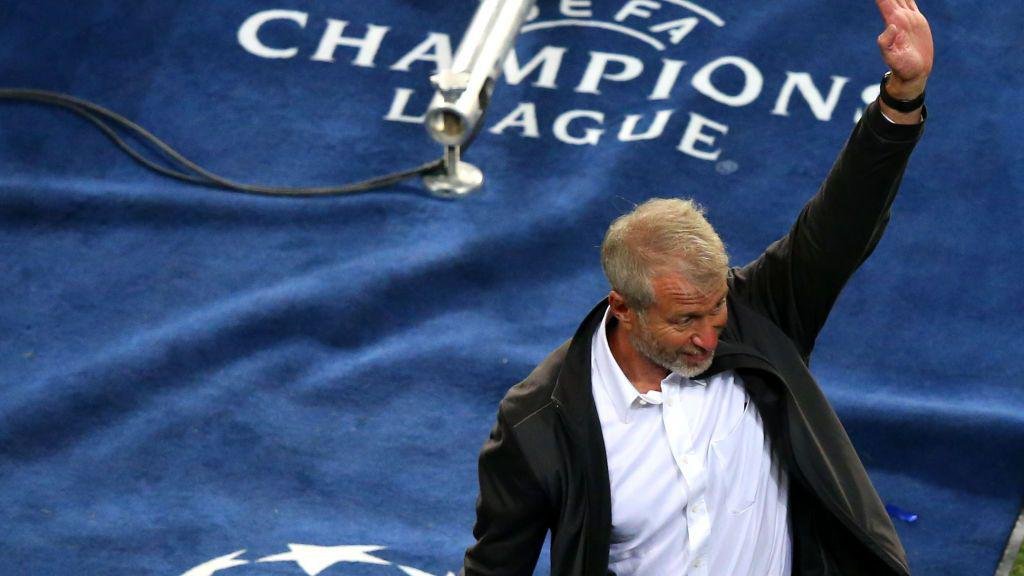
This isn’t the first time the British government has mentioned suing the businessman. Back in June, Chancellor Rachel Reeves warned they were ready to sue, saying: It’s not that over £2.5bn owed to the Ukrainian people is just sitting in a UK bank account.
Abramovich, who made a fortune in Russia’s oil and gas, got a special licence to sell Chelsea after the invasion, as long as he proved he wouldn’t personally profit from the sale. The sale ended his almost 20-year ownership of the London club, during which Chelsea became a major force in European football.
Sources say Abramovich has 90 days to act before the UK government starts legal action. This deadline adds urgency, as billions meant for war relief have been stuck while everyone argues.
The fight over Abramovich’s frozen funds comes as the West tries to use Russian assets to help Ukraine. EU leaders are supposed to consider proposals to use funds from frozen Russian state assets to support Ukraine’s budget and defence. Russia is strongly against this, calling it illegal theft of their property.
As Abramovich is pushed to keep his promise, the case shows the difficult legal and political problems of using wealthy individuals’ money to support Ukraine. The Prime Minister’s strong words show the British government is losing patience, setting the stage for a possible long court fight over a huge amount of money tied to someone sanctioned over the Ukraine war. Whether Abramovich gives in or takes it to court, Starmer’s message is clear: no more delays, the money must go to those whose lives have been destroyed by the war.

