


THE PROS AND CONS OF WEARABLES TECHNOLOGY: INSIGHTS AND REVIEWS
Are you ready to take your health and productivity to the next level? Discover the pros and cons of wearable technology and find out if it’s the right fit for you!”
KEY TAKEAWAYS
- Wearable technology provides simplicity and accessibility for tracking health and fitness, productivity, and safety.
- Nonetheless, there are privacy and security problems linked with wearable technology.
- It’s important to think about potential health dangers like radiation exposure.
- Battery life and charging options may be limited.
- Wearable technology may be pricey and may only be affordable for some.
- The Apple Watch, Fitbit, Samsung Galaxy Watch, and Google Glass are popular wearable technology options.
- When choosing whether wearable technology is good for you, it’s necessary to weigh the benefits and drawbacks.
INTRODUCTION
With devices like fitness trackers, smartwatches, and virtual reality headsets becoming increasingly popular, the usage of wearable technology has increased in recent years. Wearable technology is electronic devices worn on the body or built into clothes or accessories. These devices are intended to gather data and carry out various tasks, including monitoring health, tracking fitness goals, and sending alerts.
Despite the numerous benefits of wearable technology, it is important to weigh both the pros and cons before choosing whether it is the correct choice for you. Wearable technology has several benefits, including accessibility and ease. Users may monitor their health, remain connected to their digital life, and simply follow their fitness objectives using wearable devices.
The capability of wearable technology to enhance health and fitness monitoring is another significant advantage. Devices like fitness trackers and smartwatches may monitor heart rate, calories burnt, and other health parameters, making it simpler for users to achieve their fitness objectives. In addition, wearable technology may also be used to monitor and control illnesses like diabetes and hypertension.
Productivity and effectiveness may both be increased by wearable technology. Users may keep on top of their duties with devices like smartwatches and productivity wearables. Wearable technology may also increase safety and security, with devices like safety wearables and location trackers giving parents, carers, and travelers peace of mind.
Wearable technology has drawbacks that should be addressed. Privacy and safety are the most pressing issues. Wearable devices gather personal data, such as location, health information, and preferences. Concerns concerning privacy and security are raised because this information may be susceptible to cyberattacks.
Another negative of wearable technology is the potential health hazards. While the hazards are still being investigated, several experts have expressed worries about radiation exposure from devices like smartwatches. In addition, certain devices have short battery lives or need frequent charging, which may further restrict battery life and charging alternatives.
When it comes to wearable technology, price is another factor. Such devices cost anything from several hundred to several thousand dollars. Therefore, examining the gadget’s cost and any recurring fees or subscriptions is important since this is only feasible for some.
Ultimately, wearable technology offers numerous benefits, but weighing the pros and cons before making a choice is important. The Apple Watch, Fitbit, Samsung Galaxy Watch, and Google Glass are examples of popular wearable technology. People may decide whether wearable technology is appropriate for them by balancing the benefits and drawbacks.
PROS OF WEARABLE TECHNOLOGY
With individuals of all ages and backgrounds, wearable technology is gaining popularity. Various wearable devices are on the market, from smartwatches to fitness trackers. These are some of the benefits of wearable technology that make it a need for many people:
Convenience and Accessibility
Wearable technology has several benefits, including the fact that it is so practical and easy to use. Wearable devices are convenient to take about since they are compact and light. They may also be worn covertly, perfect for individuals who don’t want to bring attention to themselves. Wearable technology is always accessible at home, at work, or on the road.
Better Monitoring of Physical Activity and Health
Another important advantage of wearable technology is that it may help individuals better monitor and track their health and fitness objectives. For example, several wearable devices are equipped with sensors that can detect heart rate, steps done, calories burnt, and even sleep habits. This data may be linked to a mobile app or website, enabling individuals to evaluate their progress and make modifications as required readily.
Productivity and Efficiency Improvements
Wearable technology can also boost productivity and efficiency, especially in the office. For example, several devices come equipped with speech recognition and gesture control capabilities, which may make it simpler to conduct activities and remain connected while on the road. For instance, a wristwatch may help you answer emails and make calls without taking out your phone.
Enhanced Protection & Security
Lastly, wearable technology can improve security and safety. Thanks to gadgets like smartwatches, individuals may get real-time information on traffic and weather conditions and emergency notifications. This might be extremely beneficial for individuals traveling or working in new places.
Nevertheless, wearable technology offers several advantages, making it a popular option for individuals of all ages and lifestyles. These devices may help maintain relationships and make progress toward individual objectives due to their convenience, accessibility, and better health monitoring and productivity.
CONS OF WEARABLE TECHNOLOGY
There are numerous advantages to using wearable technology, but there are also some possible drawbacks. As for the downsides of wearable tech, they include the following:
Afraid about My Personal Information’s Safety
Wearable technology raises several ethical and safety concerns. Personal information, like as where you’ve been and how you’ve been feeling, is collected by many gadgets and is thus at risk of being compromised. Before purchasing a gadget, consumers should investigate its security measures and make sure they are happy with the amount of data being collected.
Possible Harm to One’s Health
Wearable electronics may also provide a health concern due to the user’s proximity to nearby radio frequency or microwave transmitters. According to some research, long-term use of gadgets like smartwatches and fitness trackers may raise the risk of cancer and other health problems. Although there is now minimal danger, it is nevertheless vital for people to be aware of the hazards and take precautions.
Constrained Power Sources and Runtime
Some people find it annoying as many wearable gadgets have short battery lives and must be recharged often. However, the need for specific chargers or charging stations for some devices might increase the expense and complexity of utilizing a gadget.
Price and Expendability
Furthermore, some people may be put off by the high price tag associated with wearable technology. Plenty of inexpensive choices exist, but more sophisticated gadgets can get pricey. In addition, there could be further expenses for things like data plans or subscriptions.
There are many advantages to using wearable technology, but there are also risks that should be taken into account. Before purchasing, consumers should consider issues including privacy and security, health hazards, battery life, charging choices, price, and affordability. Anyone may make an informed judgment about whether wearable technology suits them by seriously considering these considerations and researching various gadgets.
REVIEWS OF POPULAR WEARABLE TECHNOLOGY
Several companies have joined the market as wearable technology has become increasingly popular with consumers. This article will further examine some of the most well-known wearable technology gadgets, including their benefits, features, and disadvantages.
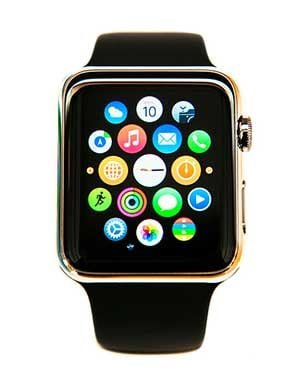
- Apple Watch
The Apple Watch is slick and fashionable, and its face can be changed to suit the wearer. The Apple Watch is slick and fashionable, and its face can be changed to suit the wearer. In addition, its long battery life and water-resistant making it ideal for fitness enthusiasts.
- Fitbit

Regarding fitness monitoring, Fitbit is a household name. The Fitbit is a wrist-worn device that monitors a person’s activity level, heart rate, and sleep schedule. The device is comfy and light, making it simple to wear all day. In addition, the Fitbit app is simple and offers helpful information about a user’s fitness regimen. Nevertheless, the device only provides a few features beyond fitness monitoring.
- Samsung Galaxy Watch
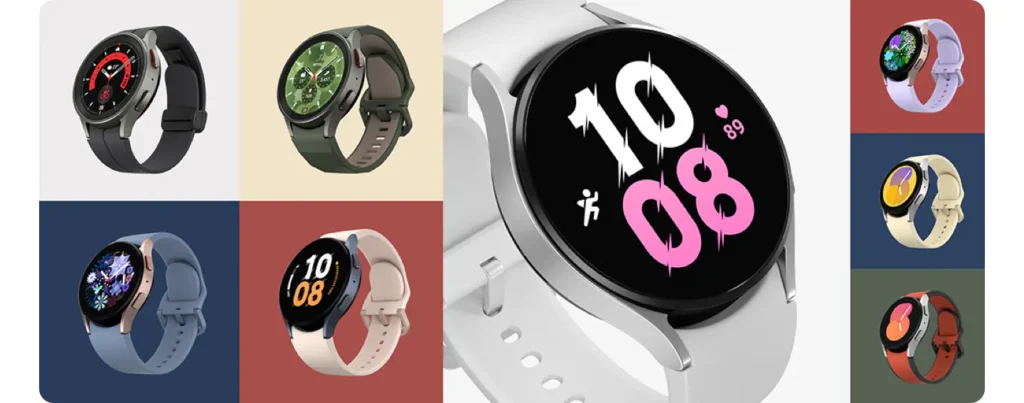
The Samsung Galaxy Watch is a smartwatch with fitness monitoring, phone calls, and texting features. It boasts a long battery life and is water-resistant, making it ideal for fitness enthusiasts. In addition, users may make mobile payments using the watch’s built-in GPS and NFC technology.
- Google Glass
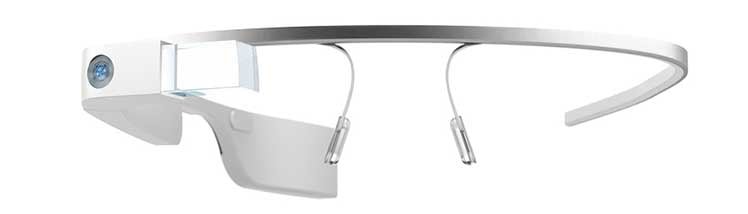
Google Glass is a wearable technology device that resembles a pair of spectacles. The device offers numerous features, including capturing images, recording movies, and showing alerts. Nevertheless, the device was taken off the market in 2015 owing to worries about user privacy, short battery life, and high price.
The benefits and cons of wearable technology devices are generally balanced. However, consumers should consider their wants and requirements before purchasing a wearable device.
CONCLUSION
The way we spend our lives has been completely altered by wearable technology. Technology has made it feasible to keep track of our health, stay linked to the outside world, and even increase our productivity. Wearable technology, like all other technical advancements, has pros and cons.
On the plus side, wearable technology offers unrivaled accessibility and convenience. It has made it possible to track our fitness and health in real time, aiding many individuals in reaching their fitness objectives. Technology has also increased productivity and efficiency by enabling workers to stay engaged in their job without being physically present at their workstations.
Privacy and security concerns are important challenges with wearable technology. It is essential to ensure that the information acquired by these devices is safe and out of reach of prying eyes. It is also important to consider potential health concerns. Other cons include short battery life and a lack of charging choices.
When deciding on wearable technology, it’s necessary to weigh the pros and cons. This post evaluated prominent wearable technology items such as the Apple Watch, Fitbit, Samsung Galaxy Watch, and Google Glass. You may choose a product most suited to your requirements and way of life by carefully considering the pros and cons of each option.
Conclusion, wearable technology has advanced significantly and has the potential to alter the way we live significantly. Nonetheless, proceeding with care and staying educated about these devices’ potential advantages and disadvantages is essential.

