

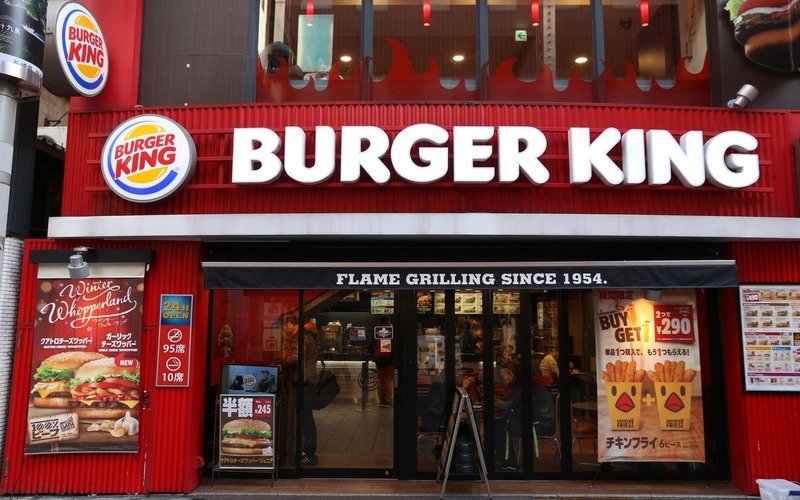
Burger King, a popular fast-food chain known for its diverse menu, faces the impact of tomato shortages in India due to the country’s ongoing battle with food inflation. This article comprehensively analyzes the tomato shortage issue, its implications for Burger King’s operations, and the broader context of food inflation in India.
Introduction
As Burger King contends with tomato shortages in India, the intersection of fast food and agricultural challenges has come into focus. The scarcity of tomatoes is part of a larger issue—food inflation—causing ripple effects across various sectors. This article explores the multifaceted nature of the tomato shortage and its implications.
Tomato Shortages and Food Inflation
The scarcity of tomatoes in India manifests the broader challenge of food inflation. Fluctuating agricultural yields, supply chain disruptions, and demand-supply imbalances have contributed to the rise in food prices, affecting the availability of key ingredients, such as tomatoes.
Impact on Burger King
Burger King’s reliance on tomatoes as a staple ingredient for various menu offerings makes it susceptible to the tomato shortage. The scarcity could result in operational challenges, potential menu modifications, or adjustments in pricing, impacting both customer experience and the chain’s financial performance.
Strategies and Mitigation
Burger King’s response to the tomato shortage could include:
- Diversification: Exploring alternative ingredients or menu options that reduce reliance on tomatoes while maintaining taste and quality.
- Supply Chain Optimization: Collaborating with suppliers and distributors to manage and navigate the impact of ingredient shortages.
- Consumer Communication: Transparently communicating with customers about potential menu changes, ensuring they remain informed and engaged.
Broader Food Inflation Context
The tomato shortage at Burger King reflects the larger context of food inflation in India:
- Economic Pressures: Food inflation can strain household budgets and consumer spending, potentially influencing dining preferences and patterns.
- Supply Chain Resilience: Food inflation underscores the importance of resilient supply chains, highlighting the need for adaptable sourcing and distribution strategies.
- Policy Considerations: Addressing food inflation requires a multifaceted approach involving agricultural policy, supply chain management, and consumer protection measures.
Conclusion
In conclusion, Burger King’s encounter with tomato shortages in India provides a microcosmic glimpse into the complexities of food inflation’s impact on businesses and consumers. The tomato scarcity is a reminder of the intricate interplay between agricultural challenges, supply chains, and economic dynamics. As the fast-food giant navigates this challenge, the broader context of food inflation in India prompts a reflection on the need for holistic strategies to ensure food security, economic stability, and the well-being of both industries and individuals.
Please note that the above content offers an in-depth analysis of the tomato shortage faced by Burger King in India, exploring its implications, strategies for mitigation, and the broader context of food inflation. The detailed examination aims to provide valuable insights for readers interested in understanding the complexities of the intersection between fast food and agricultural challenges.

