

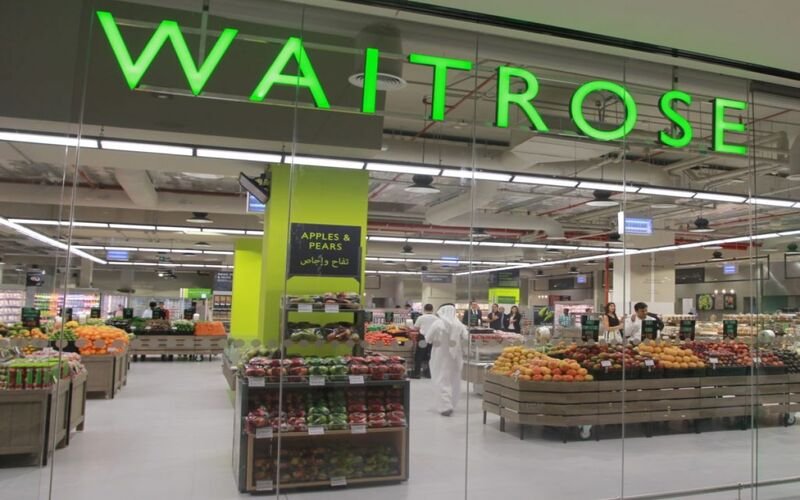
On Monday, Waitrose and Aldi (ALDIEI.UL) announced further price cuts, easing food inflation in Britain.
Waitrose will decrease the pricing of 250 more goods by 10% this week, while Aldi will slash 55 fruit and vegetable products by 11%.
As Britons face a second-year cost-of-living problem, grocery prices remain in the limelight.
March UK food price inflation exceeded 19%, the highest since 1977. Rising food costs continue to pressure many families, even though this official gauge fell to 14.9% in July and industry figures indicated 11.5% in August.
Consumers, policymakers, and the Bank of England are watching its recent decline as it considers more interest rate hikes.
Waitrose, part of the employee-owned John Lewis Partnership, announced its third round of discounts this year on pasta, whole chicken, sausages, and potatoes.
According to monthly industry statistics, Waitrose has constantly lost market share to Tesco (TSCO.L), Sainsbury’s (SBRY.L), Aldi, and Lidl.
Kantar said last month that Waitrose had a 4.4% UK grocery market share, down 0.2 percentage points year-on-year.
Weekly industry publication price data The Grocer routinely lists Waitrose as Britain’s most costly store for a basket of items. Regular surveys suggest Aldi is cheaper.
All British supermarkets have dropped some prices recently, but the Institute of Grocery Distribution predicts a 9% food price increase in December.
Retailers warn that supply chain issues might raise input prices in the coming months.
Poor British crops, Russia’s Black Sea Grain embargo, Ukrainian grain facility attacks, and Indian rice export restrictions are potential difficulties.

