

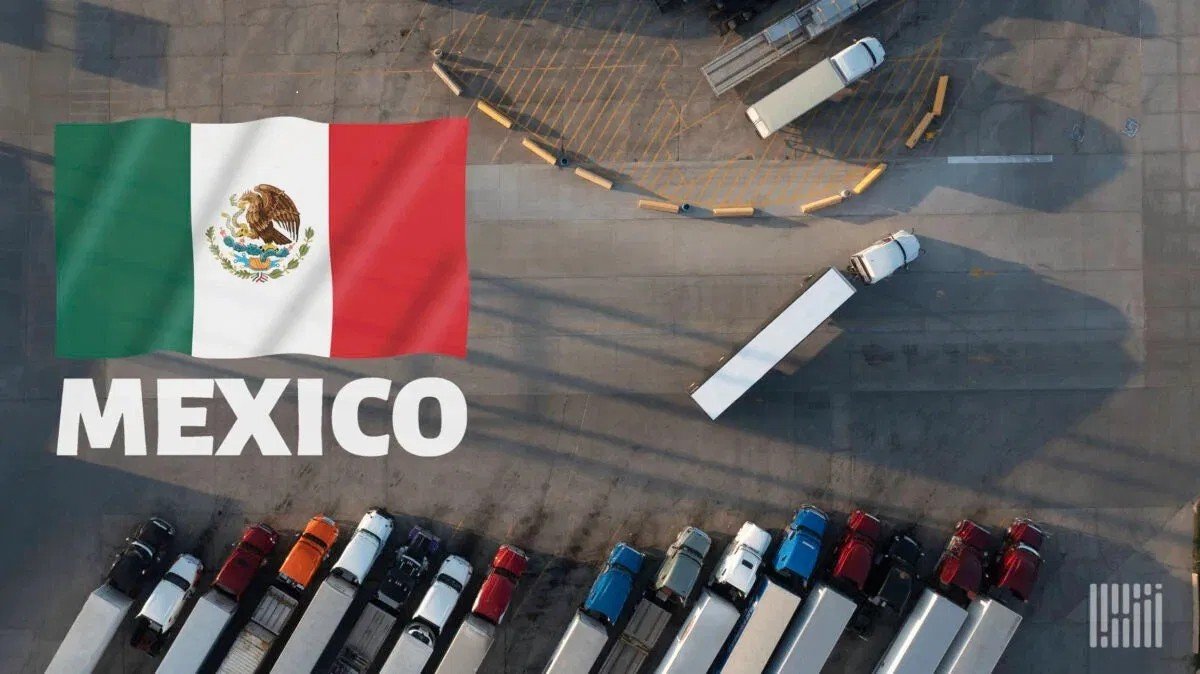
Mexico has introduced a broad tariff on hundreds of imported goods, many from China, to support local production and protect domestic industries. The Senate approved the measure on Wednesday, marking a shift in trade policy that could affect global markets.
The tariffs will take effect on January 1, 2026, covering products such as metals, cars, clothing, and household appliances. Countries like Thailand, India, and Indonesia, which lack free trade agreements with Mexico, will also be affected. President Claudia Sheinbaum said the move is necessary to protect Mexico’s economic independence and support long-term industrial growth.
The taxes will be up to 50 percent on over 1,400 items, a rate that the Beijing commerce ministry cautioned could have a significant, detrimental effect on the interests of trading partners, including China. The ministry confirmed that an inquiry into Mexico’s trade practices is underway and advised Mexico to rectify the matter.
China has indicated its desire to further engage in trade and technology in Latin America and the Caribbean and has expanded its operations in Mexico, where companies like BYD and MG have opened operations. U.S. officials, however, have expressed concern that Beijing is circumventing American tariffs through Mexico to increase tensions in the region.
Mexico’s new tariffs come as the country is in talks with the United States, where President Donald Trump has threatened high tariffs on Mexican imports, including 50 percent duties on steel and aluminum. The negotiations aim to reduce economic tensions between the two countries as they address trade disputes.
Trump has also warned of more actions against Mexico, including a 25 percent levy to stop the flow of synthetic opioids. Earlier in the week, he proposed a 5 percent tariff, accusing Mexico of failing to honor an 80-year-old treaty that lets American farmers use water from Rio Grande tributaries.
A social media post called the situation unfair to U.S. farmers, who need the water, repeating long-standing arguments about water sharing between the two countries.
The United States is Mexico’s largest trading partner, making these new tariffs a sensitive issue in their relationship. Mexico’s actions show its effort to protect local businesses while balancing complex negotiations with its northern neighbor and global trade partners.
As Mexico prepares to introduce the tariffs in early 2026, analysts warn of possible supply chain disruptions and impacts on trade and diplomacy. The effects on exports from China, Thailand, India, and Indonesia will be closely watched, especially as talks with the United States continue amid economic and political tensions.
These new measures show Mexico’s desire to take greater control of its trade policies, even if it risks upsetting major trading partners, to strengthen its domestic industry.

