

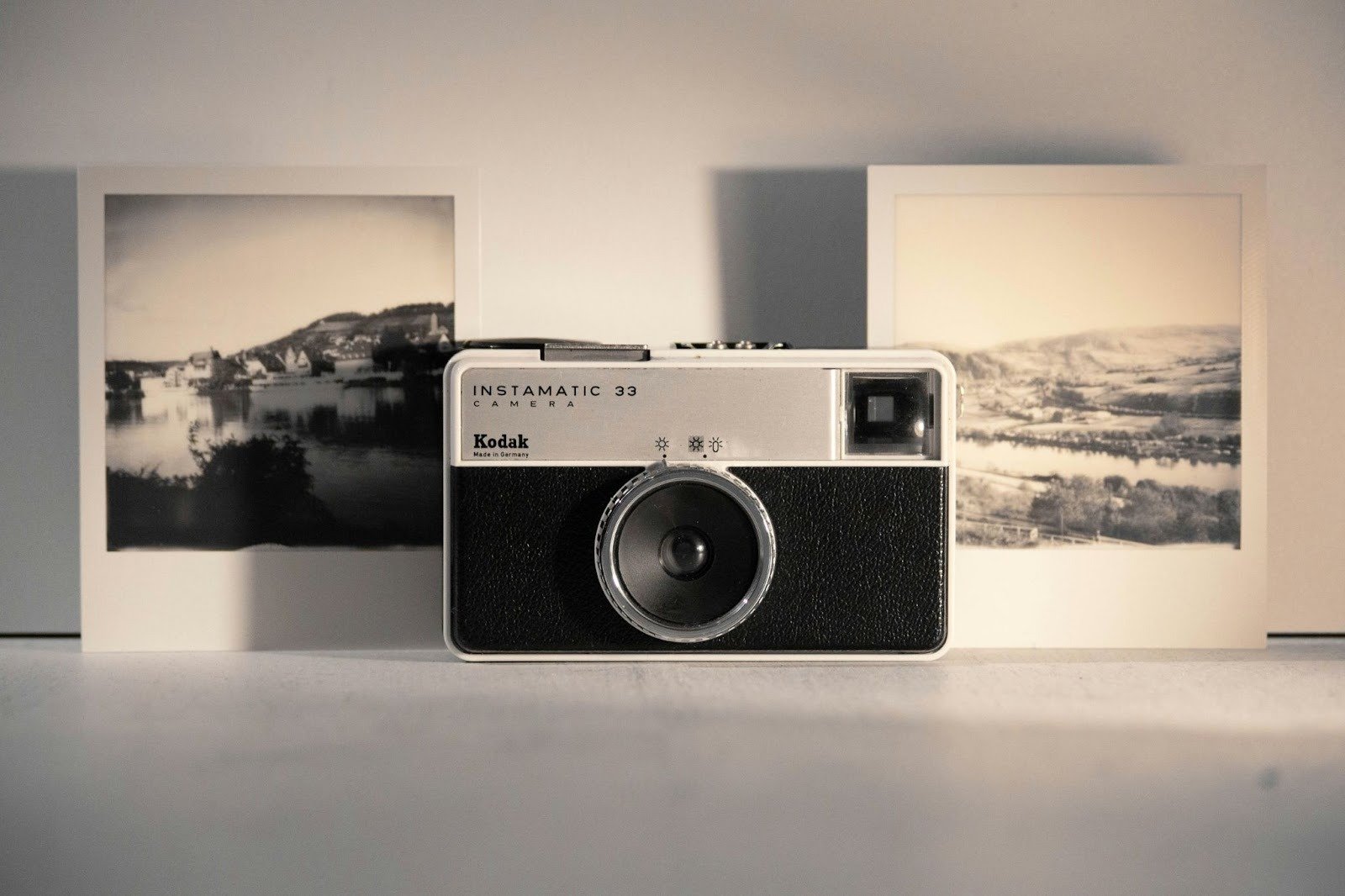
As the holiday season unfolds, classic window displays and festive decorations from years past are drawing renewed appreciation for their ability to spark joy and nostalgia. These vintage displays from elaborately decorated department store windows to iconic public installations remind us why holiday decor remains a powerful cultural tradition that transcends mere marketing.
Historic holiday displays often combined craftsmanship, storytelling and artistic creativity in ways that turned storefronts and public spaces into immersive winter worlds. Rather than simply showcasing products, they invited viewers into festive scenes filled with whimsy, imagination and seasonal charm. Many people remember these displays as integral parts of holiday celebrations, making them emblematic of winter magic in an era before digital entertainment dominated seasonal experiences.
One of the most influential contributors to this tradition was the rise of department store holiday windows in the early to mid-20th century. In cities like New York, Chicago and Paris, stores such as Macy’s, Saks Fifth Avenue and Galeries Lafayette transformed their facades into elaborate holiday stages, drawing crowds that paused on sidewalks to watch animated figures, snowy landscapes and themed tableaux. These displays weren’t just decorative; they became cultural events that signalled the start of the holiday season for families and visitors alike.
Creating these displays was a collaborative art form. Visual artists, craftspeople, set designers and fashion illustrators worked together to bring concepts to life. Some stores recruited notable designers and artists of their time, blending fashion, visual art and narrative storytelling. The result was often more akin to theatre set design than to simple decoration. These scenes could span multiple windows, each telling a chapter of a larger story that unfolded as viewers walked past.
The aesthetics of these vintage displays reflected the design trends of their respective eras. In the 1920s and 1930s, Art Deco influences brought geometric shapes and stylised figures into holiday design. Post-war displays in the 1950s and 1960s embraced mid-century modern forms and cheerful colour palettes. As decades progressed, the displays integrated evolving cultural motifs, from the glamour of Hollywood to futuristic visions inspired by the Space Age. Despite their stylistic diversity, these displays shared an emphasis on detail, artistry and immersive presentation.
Beyond retail windows, public holiday decorations also played a significant role in creating seasonal magic. Town squares, civic plazas and landmark buildings were illuminated with lights, oversized ornaments and themed installations that drew crowds and encouraged community gathering. Christmas trees soared in public spaces, often accompanied by light shows, performances and festive markets. These installations reflected local tastes and traditions while contributing to a shared cultural experience that extended beyond commercial centres.
Many of these vintage displays hold emotional resonance because they are tied to personal memories. For multiple generations, seeing holiday lights and windows meant bundled family outings, hot cocoa in hand and a sense of wonder that marked the transition into the holiday period. These moments, often photographed and remembered, became part of people’s seasonal rituals, weaving together community, tradition and visual spectacle.
While many original displays faded over time, thanks to retail closures and shifts in marketing strategies, interest in vintage holiday decor has resurfaced in recent years. Museums, cultural institutions and fashion houses have showcased archival exhibits, bringing historic holiday decorations to new audiences. Some exhibitions explore these displays not just as festive artefacts, but as cultural history reflections of societal values, design innovation and consumer culture of their time.
Photography and digital archives have played a key role in preserving these moments. Historic images of holiday windows and decorations circulate widely online, offering glimpses into a past where craft and physical presence were central to visual storytelling. These images often inspire contemporary designers, reminding them of the power of physical form and tactile detail in creating memorable experiences.
Today’s holiday marketing often relies on digital campaigns, interactive media and online engagement. Yet the appeal of physical holiday displays whether vintage or newly created remains strong. Contemporary window designs increasingly blend cutting-edge technology with traditional display methods, using animation, projection mapping and interactive elements to captivate modern audiences while honouring the roots of the tradition.
Retailers recognise that holiday displays serve as cultural touchpoints, connecting people to shared moments of joy, celebration and nostalgia. A beautifully crafted window or street installation can evoke emotions that digital ads and social media campaigns struggle to match. The tangible presence of these displays the light, colour, movement and scale creates a sense of place and ritual that belongs to the season.
The continuing fascination with vintage holiday displays also underscores how décor reflects broader cultural shifts. Decorations tell stories about design trends, consumer tastes and societal priorities over time. A display from the 1950s, with its cheerful simplicity and bright hues, speaks to a post-war optimism, while a display from the 1980s might reflect bold colour and maximalist energy. These visual records offer insight into how different eras interpreted the spirit of the holidays.
Some contemporary designers and brands deliberately reference vintage styles in their modern holiday installations. By doing so, they create a dialogue between past and present blending nostalgic motifs with new technology and contemporary visual language. This fusion can appeal to a wide audience, drawing in those who remember traditional displays fondly while also engaging younger viewers with fresh interpretations.
Despite the changes in how people shop and celebrate, the essence of holiday displays remains rooted in connection. Whether viewed through the lens of history or experienced in person, these displays remind us of shared seasonal rituals that transcend commercial intent. They offer a moment of wonder, a pause in the busy rhythm of life, and a reminder of the beauty that can be crafted when creativity, culture and community intersect.
As cities and brands continue to embrace both archival and forward-looking display design, the tradition of festive decoration lives on. Vintage holiday magic isn’t just a relic of the past it’s a living influence that continues to shape how we celebrate, remember and experience the season. This enduring appeal ensures that, even in a digital age, the joy of a well-crafted holiday display remains a cherished part of winter traditions around the world.

