

What was the last thing you asked an AI chatbot to do? Maybe it helped you structure an essay, analyse a dataset, or check a cover letter. But some experts warn that relying too much on AI could be reducing our brain’s engagement and even harming critical thinking and problem-solving skills.
A recent MIT study used electroencephalography (EEG) to monitor brain activity while participants wrote essays with the help of ChatGPT. Results showed lower activity in cognitive processing networks compared to those who wrote essays independently. Participants also struggled to cite material from AI-assisted essays as easily as from their own work, highlighting a potential decline in learning skills.
The study involved 54 participants from MIT and nearby universities. Tasks included summarising essay questions, locating sources, refining grammar, and generating ideas. While AI excelled at some tasks, participants felt it was less effective at creative idea generation.
Separately, research from Carnegie Mellon University and Microsoft Copilot surveyed 319 white-collar workers who used AI weekly. It found that greater confidence in AI often led to less critical thinking, suggesting overreliance could weaken problem-solving skills over time.
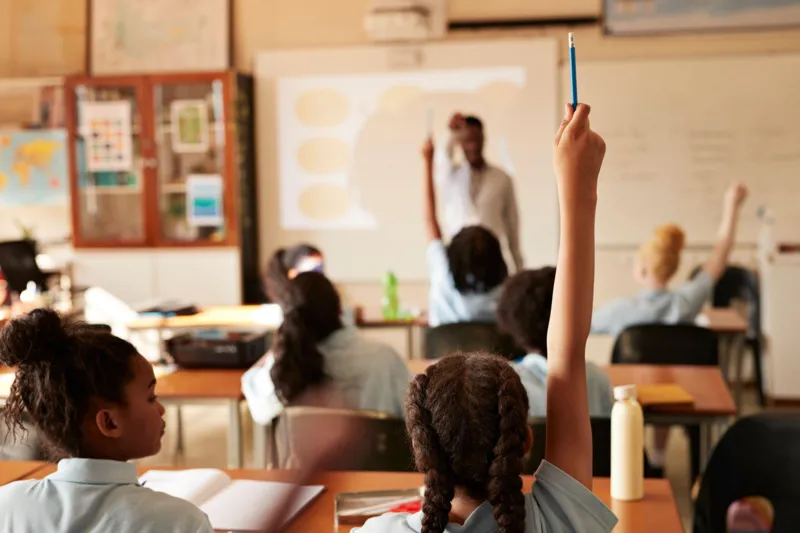
In education, an Oxford University Press survey of UK schoolchildren found six in ten felt AI negatively impacted their skills. However, Dr Alexandra Tomescu, a generative AI expert, noted a nuanced picture: nine in ten students reported AI helped develop at least one skill—problem-solving, creativity, or revision—but about a quarter felt it made work too easy. Many students want guidance on how to use AI effectively.
ChatGPT, with over 800 million weekly users, has published 100 prompts designed to help students use AI productively. Yet Prof Wayne Holmes of University College London warns that more research is needed on AI’s effects on learning. “There’s no large-scale independent evidence on the effectiveness or safety of these tools in education,” he says.
Studies of cognitive atrophy show similar concerns in professionals. For instance, Harvard Medical School research found AI improved some radiologists’ diagnostic performance but hindered others. Prof Holmes worries that students may submit higher-quality work with AI, but understand less: “Their outputs are better, but their learning is worse.”
Jayna Devani from OpenAI emphasizes using ChatGPT as a tutor rather than an answer machine. For example, a student struggling with a late-night assignment can interact with ChatGPT to break down concepts and understand the material.
Prof Holmes adds that students should understand AI reasoning, how companies manage data, and always verify results. “It’s not just the latest calculator,” he says. “AI has far-reaching implications, and we need to make informed decisions about its use.”

