

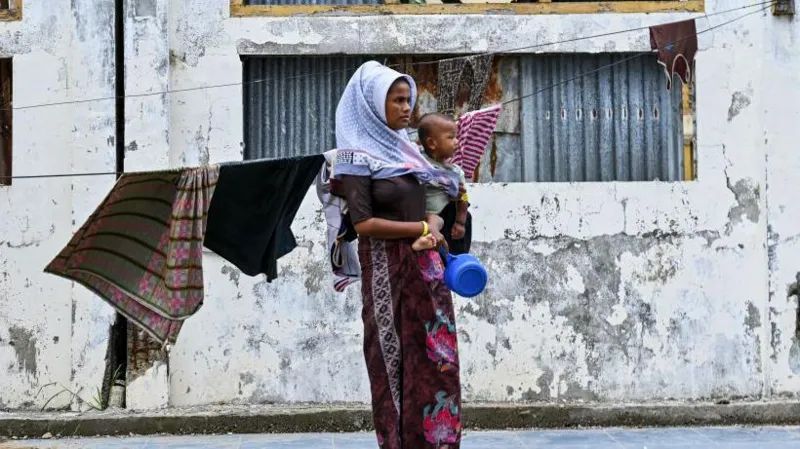
The International Court of Justice (ICJ) has begun hearing a landmark case brought by The Gambia against Myanmar, accusing the country of committing genocide against the Rohingya Muslim minority. The Gambia claims Myanmar has used “genocidal policies” to erase the Rohingya population, citing decades of persecution, dehumanizing propaganda, and a military crackdown in 2017 that killed thousands and forced over 700,000 to flee to Bangladesh.
The ICJ hearings, which may last until the end of the month, include closed sessions with Rohingya survivors giving testimony. Myanmar, which denies the allegations, will have the opportunity to respond. A final decision is expected in months or even years, and while the ICJ cannot prosecute individuals, its rulings carry significant weight internationally.
The Gambia, citing its own history under military rule, emphasized its responsibility to seek justice. The case has garnered support from 57 member states of the Organisation of Islamic Cooperation and 11 additional countries, including the UK, France, Germany, and Canada.
Over one million Rohingya remain in refugee camps, primarily in Bangladesh, while others have undertaken dangerous sea journeys to countries like Malaysia and Indonesia. Survivors have called for justice, expressing frustration at the prolonged refugee crisis.
Experts say this case could set an important precedent for how genocide is defined and prosecuted under international law. The ICJ proceedings are guided by the 1948 UN Genocide Convention, which defines genocide as acts committed with intent to destroy, in whole or in part, a national, ethnical, racial, or religious group.

