

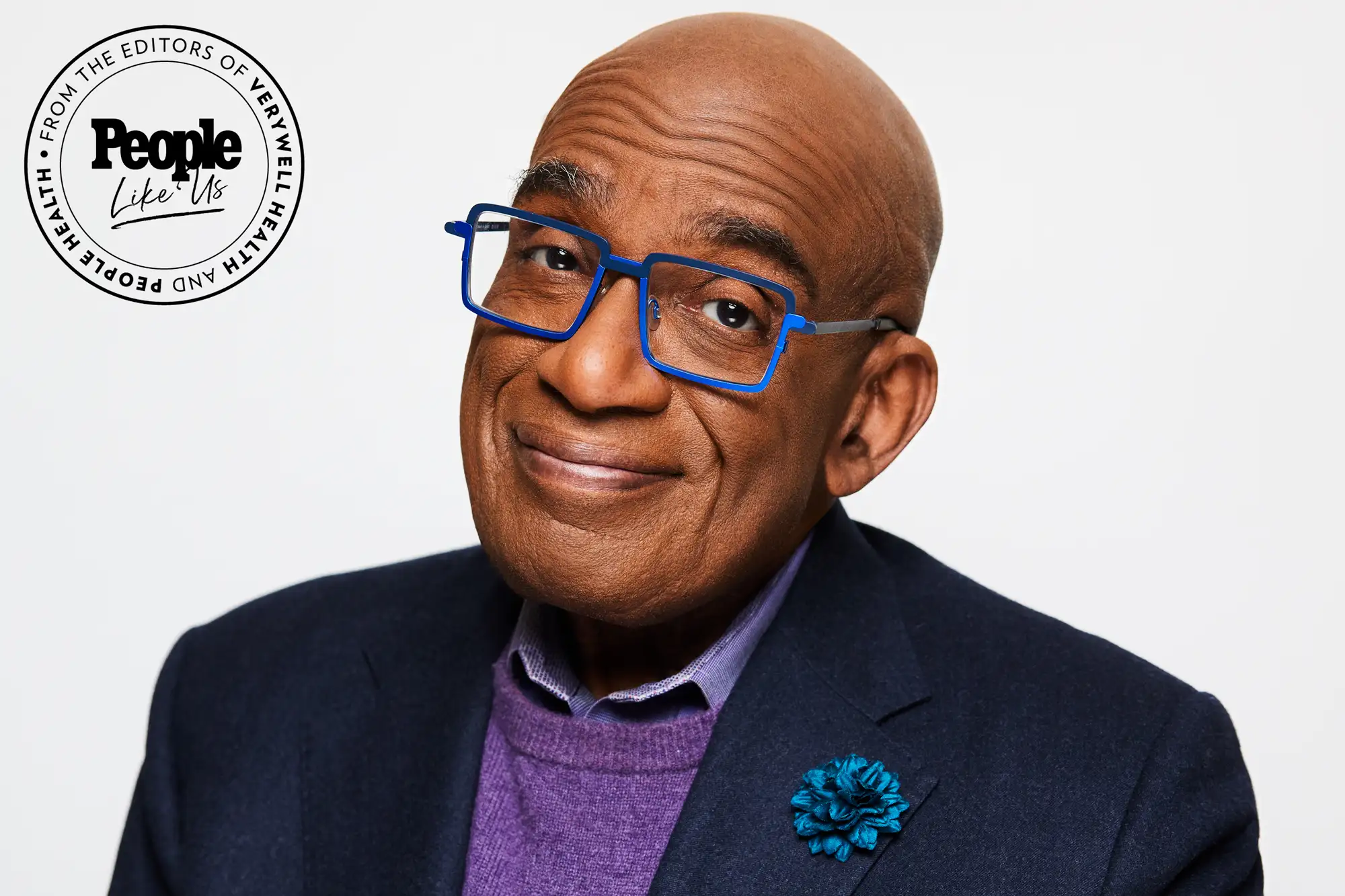
A prostate cancer diagnosis can feel frightening and disorienting — but as many patients and caregivers have discovered, community, advocacy, and emotional support can be just as important as medical treatment. Few people understand that better than Al Roker.
“You cannot discount the power of positive thoughts and prayers,” Roker tells PEOPLE as he reflects on his 2020 prostate cancer diagnosis. “I know I had so many people praying for me and wishing me well. Is there concrete evidence that says, ‘Oh, that had an effect?’ No. But I know that it did. Let’s face it — it’s like chicken soup. It’s not going to hurt.”
Roker’s experience is one of many highlighted in People Like Us, a condition center created by the editors of PEOPLE and Verywell Health. The initiative brings together patient stories, medical insights, and caregiving resources designed to help individuals navigate prostate cancer — from diagnosis through treatment and beyond.
Turning a Diagnosis into a Mission
Roker learned something was wrong during his annual checkup in 2020, which had been delayed by several months due to the pandemic. A routine blood test revealed elevated PSA (prostate-specific antigen) levels, and a biopsy later confirmed prostate cancer.
After carefully considering his treatment options, Roker made the decision to share his diagnosis publicly on Today, hoping his experience would encourage other men to take their health seriously.
“I thought, maybe we can do some good here,” he says. “With men in general, there’s a bit of a stigma around prostate cancer. Is it embarrassing? Is it sensitive? Maybe. But there are a lot of things I would rather die from than embarrassment.”
By speaking openly, Roker aimed to normalize conversations around screening, symptoms, and early detection — especially among men who might otherwise delay seeing a doctor.
The Importance of Advocacy and Caregiving
One of the most meaningful lessons Roker shares from his cancer journey is the value of having an advocate — someone who can ask questions, track information, and provide emotional reinforcement during overwhelming medical appointments.
He jokes that his first reaction upon learning his diagnosis was that his wife, journalist Deborah Roberts, whom he hadn’t brought to the appointment, was “going to kill me.” In hindsight, he says, her advocacy became essential to his treatment and recovery.
“She’s the best person to have by your side,” Roker explains. “She asks the questions you don’t think to ask. She follows up. That makes a huge difference.”
Caregiving, however, can take a toll. Experts emphasize that caregivers must also protect their own physical and emotional well-being to avoid burnout — a message reinforced throughout People Like Us.
Stories That Inspire and Educate
The condition center also features firsthand accounts from patients across different backgrounds and stages of the disease. These stories highlight how prostate cancer can present in unexpected ways and how early intervention can be lifesaving.
Among them:
- A father of three who dismissed persistent back pain as a cycling injury — only to later learn he had an aggressive, progressive illness.
- A veteran initially told he was “too young” for prostate cancer screening, whose diagnosis was ultimately caught thanks to a persistent GI doctor.
- A North Carolina couple determined to “make every minute count” after a metastatic prostate cancer diagnosis.
Each story underscores the importance of listening to your body, advocating for yourself, and seeking second opinions when something doesn’t feel right.
Knowledge as Power
In addition to personal narratives, People Like Us provides practical, medically reviewed resources, including:
- Early warning signs of prostate cancer
- Conditions that can mimic prostate cancer symptoms
- Foods to eat — and avoid — during treatment
- Tools for caregivers to stay organized and supported
The goal is not just awareness, but empowerment — helping patients and families feel informed rather than overwhelmed.
A Community That Makes a Difference
For Roker, surviving prostate cancer became a catalyst for a broader health transformation — one rooted in resilience, prevention, and gratitude.
“I’m fortunate,” he says. “And I know not everyone gets the same outcome. That’s why talking about this matters.”
By combining expert guidance with real-life experiences, PEOPLE and Verywell Health aim to remind readers that no one faces prostate cancer alone — and that with the right support, knowledge, and care, it’s possible to move forward with strength and hope.

