

Thousands of sailors are currently stranded on ships in the Gulf region as tensions rise around the Strait of Hormuz, one of the world’s most important shipping routes.
The situation escalated after Iran warned that it could target vessels attempting to pass through the strait in response to military strikes by the United States and Israel. The narrow waterway is a critical route for global energy supplies and commercial shipping, and the threat has left many cargo ships and oil tankers unable to move.
Sailors on board these vessels say the experience has been frightening. Amir, a Pakistani sailor stuck on a tanker near the United Arab Emirates, described seeing drones and cruise missiles flying low overhead while fighter jets passed through the sky. He said the most worrying part is that there is nowhere to hide on a ship if an attack happens.
Another sailor from Myanmar, identified as Hein, said clashes in the air have become a daily sight. On one recent morning, he said, two fighter jets fired at each other while the crew continued their work. With no safe shelter on board, the crew could only run inside and hope nothing struck their vessel.
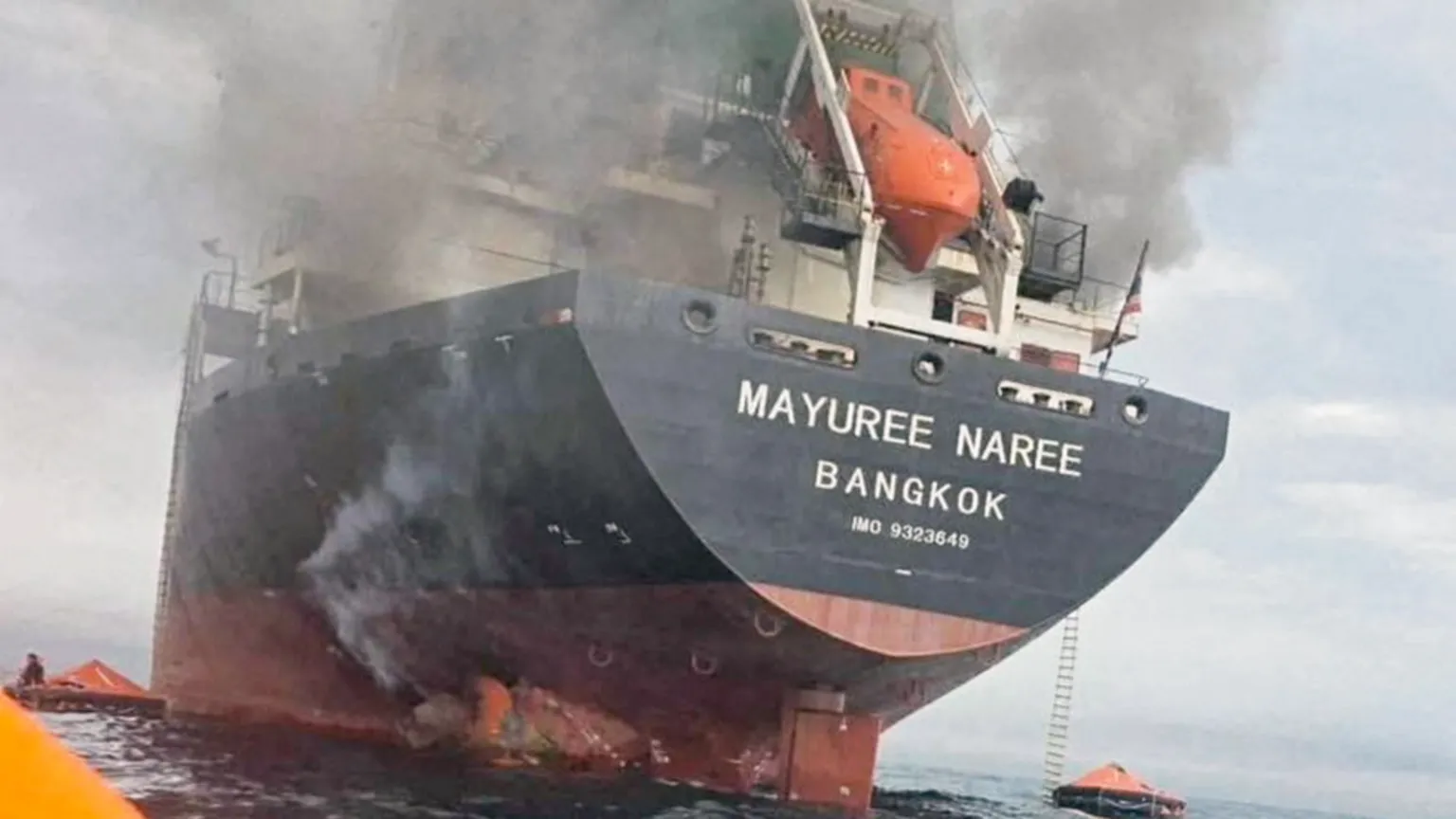
Shipping groups estimate that around 20,000 sailors may now be stuck either at sea or in ports across the region. According to Capt Anam Chowdhury of the Bangladesh Merchant Marine Officers’ Association, several ships have already been damaged in the conflict. On 1 March, a sailor was killed aboard the tanker Skylark after its engine room caught fire during an attack.
Families of the sailors are also struggling with uncertainty. Communications are unreliable because internet and phone networks in parts of Iran have been restricted. Some relatives say they have not heard from their loved ones for days.
There are also growing concerns about navigation and supplies. Some captains report that GPS signals are being disrupted, forcing crews to guide ships manually when approaching ports such as Dubai. At the same time, food and water supplies are running low on some vessels that have been stuck for weeks.
On one ship, sailors now receive only one meal a day as supplies are rationed. Fresh food that was once available regularly has been replaced with strict portions to make the remaining provisions last.
Even if ships eventually reach a safe port, many sailors may not be able to leave immediately. Some companies hold their crew members’ passports, and abandoning a contract could lead to workers being blacklisted from future jobs in the shipping industry.
For many sailors, the biggest fear is that they are caught in a conflict they have no control over. As one mariner put it, cargo and ships may be covered by insurance, but human lives cannot be replaced.

