

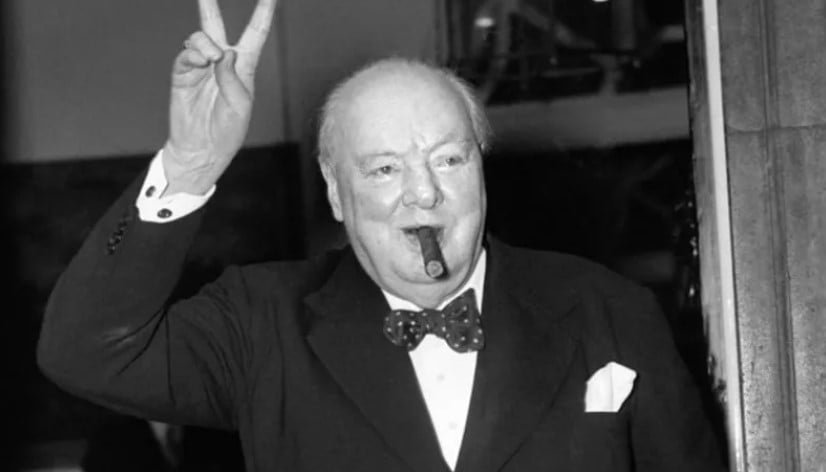
The Bank of England has announced plans to redesign its banknotes, a move that will eventually remove several famous historical figures, including Winston Churchill, from the country’s currency. The decision has sparked criticism from some politicians who argue that figures who shaped Britain’s history should remain on the notes.
Under the proposal, the current £5 note featuring Churchill — the wartime leader who guided United Kingdom during World War II — will be replaced in a future series by scenes highlighting British wildlife. Other notable figures expected to be phased out include novelist Jane Austen from the £10 note, painter J. M. W. Turner from the £20 note, and mathematician and codebreaker Alan Turing from the £50 note.
Instead of prominent individuals, the next generation of banknotes will feature animals and natural landscapes native to the UK. Potential wildlife images under consideration include badgers, otters, frogs, hedgehogs, barn owls and newts. The final designs will be influenced by public feedback through a consultation planned later this year.
According to the Bank of England, the shift provides an opportunity to celebrate the country’s natural environment while also strengthening banknote security. Victoria Cleland, the bank’s chief cashier, said detailed wildlife imagery can help improve protection against counterfeiting.
The redesigned notes will still include the portrait of King Charles III on one side, while older notes featuring Elizabeth II will remain in circulation for now.
However, the plan has drawn criticism from some lawmakers. Ed Davey, leader of the Liberal Democrats, argued that Churchill’s role in defeating fascism during World War II makes him deserving of a permanent place on the £5 note. Conservative politician Alex Burghart also called the move “outrageous,” saying that Britain should continue honouring the influential figures who helped shape the nation.
The new banknotes are not expected to appear for several years, meaning the current polymer series — introduced between 2016 and 2021 — will remain in circulation for the foreseeable future.

