

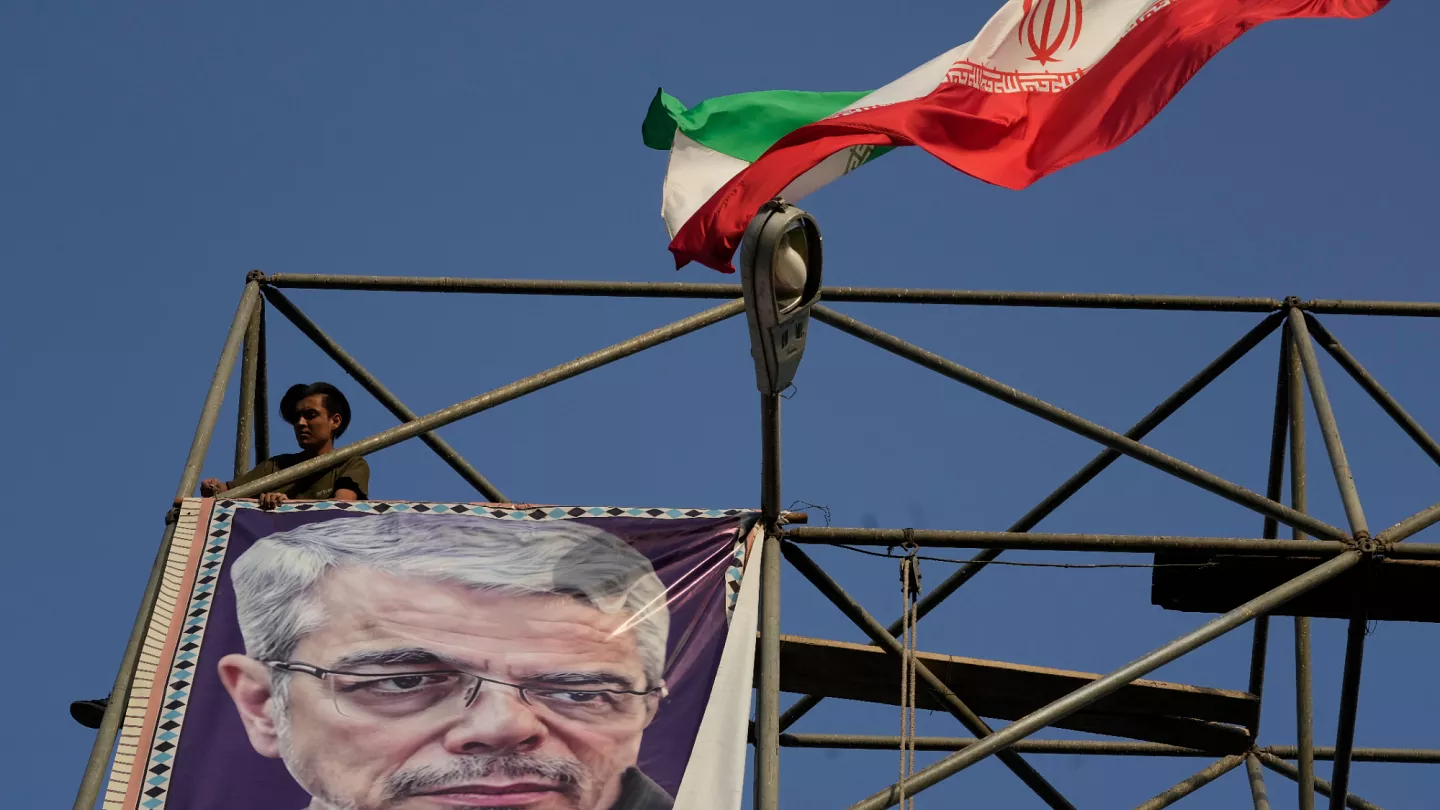
Iranian security forces swept through the nation’s cities on Sunday, rounding up dozens accused of moonlighting as Israeli informants and saboteurs, a dragnet the Intelligence Ministry hailed as smashing a “sophisticated spy web” plotting hits on military gems. As the regional war grinds into week three, Tehran’s enforcers painted a dire picture: these shadowy operatives, lured via social media, funneled coordinates on drone factories and IRGC brass bunkers to Israeli handlers, teeing up “imminent terror” in Tehran and Isfahan. No hard proof surfaced—just state media blasts—but the timing screams desperation, with coalition jets still carving scars across Iran’s defenses since February 28’s flare-up.
This isn’t casual cuffs; it’s a full-throated purge, layered atop high-stakes leaks that left mullahs and generals exposed. State TV looped grainy footage of seized gadgets and phone dumps, claiming the ring greased sabotage from missile silos to elite safehouses. Yet amid the blitz—U.S. F-35s pounding Kharg Island, drones buzzing Dubai—the narrative reeks of deflection. Analysts whisper: blame the “fifth column” for air defense flops, sidestepping radar gaps or intel black holes. Families huddle in silence, phones silent, Revolutionary Courts looming like guillotines under wartime edicts that shred due process.
Mojtaba Khamenei’s fresh grip as Supreme Leader—fresh off his father’s fall—fuels the frenzy. Zero-tolerance reigns: any Western whisper, any airstrike photo shared on a cracked Signal app, brands treason. Basij thugs and morality squads thicken patrols in Isfahan’s bazaars and Shiraz alleys, random phone snatches at checkpoints, CCTV eyes tracking rubble-snappers post-strike. Internet throttles tighten, Telegram ghosts flicker out, leaving whispers to fester in tea houses. Dissent? Recast as Mossad puppetry. Academics vanish into “questioning,” journos ghost after war-skeptic tweets, activists burrow underground as summons stack.
Human rights voices howl into the void—Amnesty, HRW flagging torture risks, coerced “confessions” primed for prime-time spectacle. Wartime laws lock out lawyers, trials turn theater: hooded figures spilling tales of Zionist gold, scripted to stoke rallies. Families? Tortured limbo—query a detention black hole, risk the net yourself. One Tehran mother, voice masked on smuggled audio, choked: “My son’s a teacher, not a spy—when do I bury him or hug him?” No answers, just Basij boots at the door.
The street pulse boils beneath the clamp. War’s wallet-wound—bread queues coiling, black-market gas at robbery rates, sons drafted to meat-grinders—stirs murmurs past baton range. Khamenei’s blockade gambit holds Hormuz hostage (20% global oil corked, Brent at $110 fever), but homefront friction mounts: souk grumbles in Isfahan, factory whispers in Ahvaz. Purge the “traitors,” the line goes, to steel for the long haul—yet it alienates the very faithful needed to sustain the siege.
Diplomats tsk from afar. Europe demands due process; Tehran snorts “Zionist meddle.” UN murmurs fizzle against tracer fire. Outside, the war rages: three Hormuz ships scarred Wednesday, UAE drones downed, Baghdad embassy fringes smoldering. G7 reserves trickle (IEA vaults easing pumps to $3.48 U.S. gallons), but Asia chokes—China factories falter, Japan rations loom.
This spy sweep? Paranoia’s prism, regime’s bid to glue cracks with fear. Televised show trials loom, “spies” spilling for cameras, justifying net-tightening as jets thunder on. Khamenei’s test: purge enough to survive external hell, without igniting internal blaze? Families wait wordless, streets simmer, world watches war-within-war. Iran’s not just blockading oil—it’s bottling its own fury, and the cork wobbles.

