

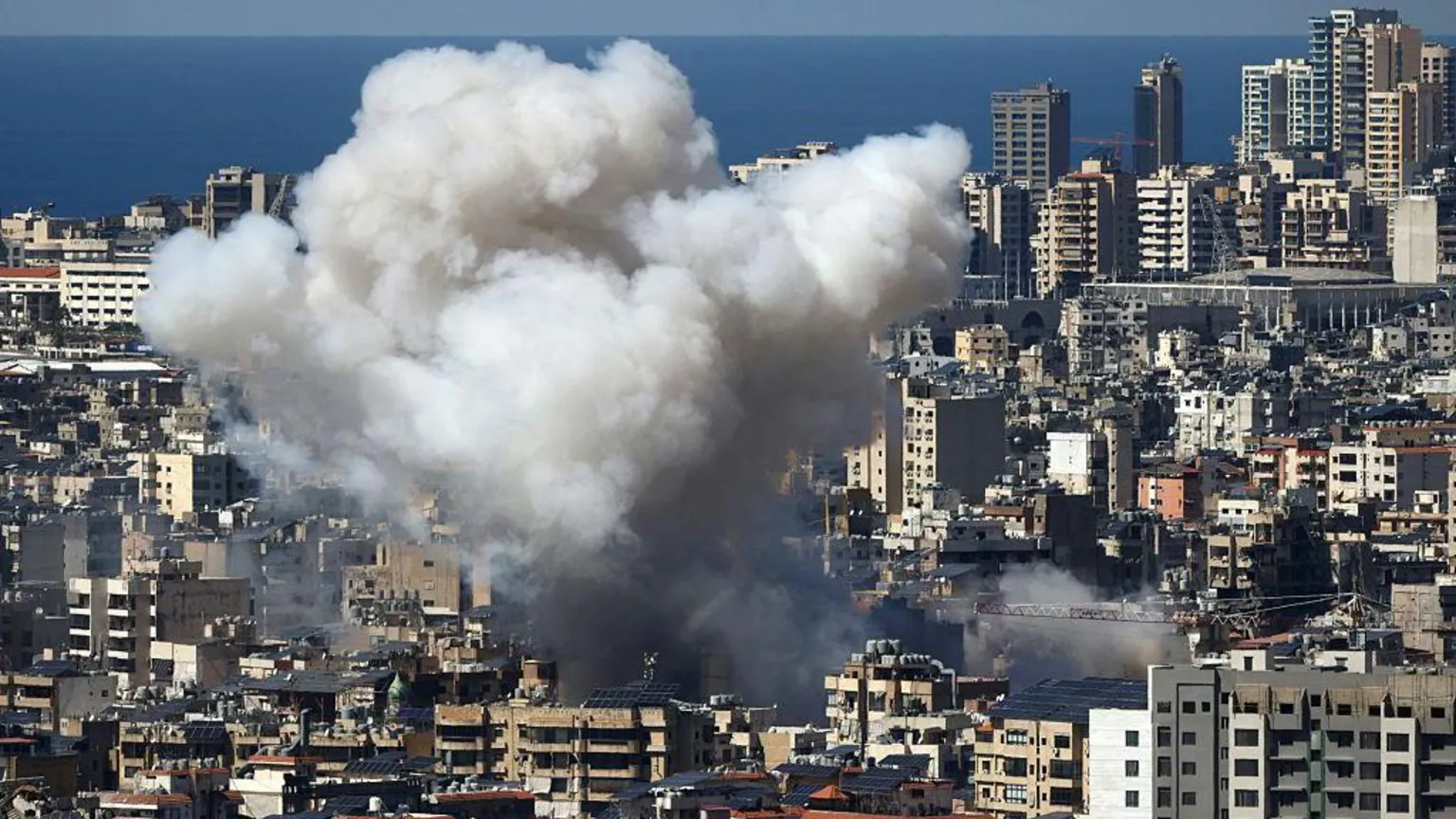
The conflict between United States, Israel, and Iran didn’t start overnight. It’s rooted in decades of tension, but the latest war was triggered by a mix of immediate and long-term factors:
1.
“Pre-emptive strike” claim
Israel said the attacks were meant to neutralize threats before they materialized—targeting:
- Missile systems
- Military infrastructure
- Senior leadership
The US backed this, saying it expected Iran might attack American forces in the region.
2.
Iran’s nuclear programme
This is one of the biggest underlying issues.
- The US and Israel believe Iran is trying to develop nuclear weapons
- Iran insists its programme is peaceful
Both countries have repeatedly tried to stop or slow Iran’s nuclear capabilities, including earlier strikes in 2025.
3.
Long-standing دشمن (hostility)
Since the 1979 Iranian Revolution, Iran has:
- Opposed US influence in the Middle East
- Refused to recognize Israel
- Supported armed groups hostile to Israel
Israel, in turn, sees Iran as an existential threat.
4.
Breakdown of diplomacy
There were ongoing negotiations, but:
- Talks stalled
- Donald Trump rejected the terms
- Within hours, military strikes began
This suggests diplomacy collapsed at a critical moment.
5.
Broader strategic goals
Beyond immediate threats, the goals appear to include:
- Weakening Iran’s military power
- Limiting its regional influence
- Potentially forcing political change
What has happened since the attacks?
The situation escalated rapidly:
- Iran retaliated with missiles and drones
- Attacks spread to:
- Gulf countries (like UAE, Qatar, Kuwait)
- Iraq
- Israel
- A new front opened in Lebanon involving Hezbollah
This is no longer just a two-country conflict—it’s becoming regional.
Why is this war so risky?
1.
Regional spillover
Multiple countries are now involved directly or indirectly:
- Gulf states
- Militias in Iraq
- Hezbollah in Lebanon
This increases the chance of a wider Middle East war.
2.
Energy crisis risk
The Strait of Hormuz is critical:
- About 20% of global oil passes through it
- Attacks or blockages can spike fuel prices worldwide
That affects everything—transport, food, cost of living.
3.
Civilian casualties
Thousands have already been reported killed, including civilians and children.
Strikes have hit:
- Cities
- Oil facilities
- Even areas near schools
4.
Global economic impact
- Oil prices surged toward $120 per barrel
- Flights disrupted across the Middle East
- Supply chains under pressure
This isn’t just a regional issue—it’s global.
How long could the war last?
There’s no clear timeline, but here are the main scenarios:
Short-term (weeks)
- The White House suggested up to 6 weeks
- This would require:
- Limited objectives
- No major escalation
- Some form of ceasefire or deal
Medium-term (months)
More likely if:
- Iran continues retaliation
- The US expands operations
- Regional groups stay involved
Long-term (months to years)
Possible if:
- Ground troops are deployed
- Regime change becomes a goal
- The conflict spreads further
This is where it risks becoming another “forever war”.
The bottom line
- The war started as a targeted strike, but is quickly expanding
- It’s driven by nuclear fears, long-standing دشمن, and failed diplomacy
- Every next step—whether escalation or restraint—comes with serious risks
And most importantly:
👉 The chances of a quick, clean resolution are getting smaller as more countries and interests get pulled in.

