

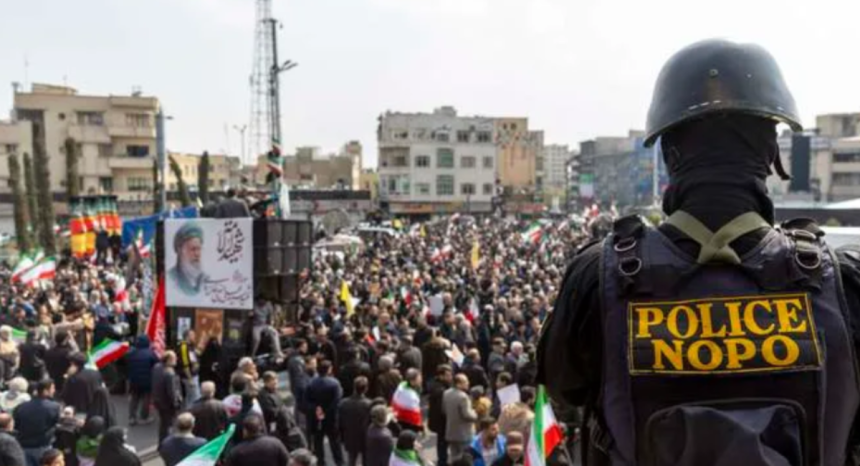
Iran’s police chief lit up state TV Monday with a chilling tally: 500 souls swept into cells across the nation, branded as informants feeding “foreign enemies” precious intel amid the grinding regional war now clawing into week three. The dragnet—hailed as a gut-punch to a shadowy network plotting to blindside national security—targets folks accused of snapping geo-tagged pics of drone factories, IRGC bunkers, and airstrike scars, piping them straight to U.S. and Israeli handlers. It’s Tehran’s latest iron-fist flex, a sprawling security blitz born from precision coalition strikes that have left Kharg Island smoking and Hormuz a ghost lane since February 28’s flare-up.
State media looped the grim narrative: suspects pinned via souped-up surveillance, heaviest hauls in Tehran bustle, Isfahan bazaars, Shiraz alleys, and tense border zones where drones slip like whispers. Police chief Ahmadreza Radan thundered collaboration between Intelligence Ministry suits and Revolutionary Guard shadows, vowing to “blind enemy eyes.” Recruits lured via Instagram DMs or Telegram ghosts, dangled cash for crater selfies or convoy coords—now “mercenaries” facing the noose under wartime edicts. No mugshots, no names, just faceless hordes in orange jumpsuits, a spectacle to rally the faithful while bread lines coil and black-market gas gouges wallets raw.
This isn’t scattershot cuffs; it’s escalation etched in fear. Post-Khamenei pere’s fall, new Supreme Leader Mojtaba Khamenei—rumors of his bunker wounds swirling—ramps “cohesive front” dogma, ordering infiltrator hunts to plug leaks that tee up F-35 runs. Plainclothes prowlers thicken streets, Basij thugs snatch phones at chai stalls, VPNs strangled to stem smuggled clips of rubble and ration riots. Residents whisper dread: one Isfahan shopkeeper, voice masked on bootleg audio, choked, “Snapped my bombed market for family abroad—now vanished?” Families huddle in limbo, Revolutionary Courts looming like guillotines, “emergency” laws locking out lawyers, trials tipping 99% guilty on security raps.
Human rights alarms blare—Amnesty, HRW flagging torture cellars, coerced “confessions” primed for prime-time tears. UN and Europe tsk “due process,” Tehran snorts “war meddle.” Analysts sniff deflection: 500 “spies” explain air defense flops, sidestep radar rust or jet ghosts. War-weariness festers—$110 Brent starves imports, sons drafted to meat-grinders, moms mourn telegrams—yet regime recasts grumbles as Mossad puppets. Media muzzles tighten: journos ghost after strike tweets, profs parrot line or vanish, self-censorship the new ink.
Diplomatic echoes faint against tracer fire. Khamenei’s calculus: purge deep to steel for siege, Hormuz cork (20% global crude) wrings West (G7 vaults drip, Asia factories falter, Jakarta pumps hit $3.48 echoes). But internal cracks spider—500 families hunt ghosts, souks simmer past batons. Televised show trials loom: hooded figures spilling Zionist gold tales, bolstering “siege” script as jets thunder on.
Tehran’s not just blockading oil—it’s bottling fury within. Spy hunt’s human ledger: teachers, traders, teens with phones, swallowed sans trace. Bread riots bubble Isfahan, Shiraz whispers swell; Basij boots thud louder. External hell rages—UAE drones down, Saudi refineries pit—yet homefront vise risks snap. Khamenei’s test: cleanse “traitors” sans igniting blaze? Families wait wordless, streets choke fear, world glimpses war-within-war. Purge persists, confessions cascade—regime’s survival bet on shadows, as coalition silhouettes loom eternal.

