

British holidaymakers are pulling out of Easter trips to Dubai and rebooking elsewhere, all because of the war in neighbouring Iran — and travel firms say the scramble is causing a noticeable spike in demand for closer, more familiar destinations.
Flights across the Middle East are in chaos. There are active warnings against travelling to large parts of the region, including the United Arab Emirates, and the disruption is rippling outward. Countries that aren’t even in the conflict zone — Turkey, Cyprus and Egypt — are feeling the pinch too, simply because of their proximity to Iran. Bookings to those destinations have slowed sharply.
On Tuesday, British Airways suspended several Middle East routes until the end of May, citing “continuing uncertainty” and airspace instability. Flights to Dubai, Bahrain, Tel Aviv and Amman are all cancelled through 31 May.
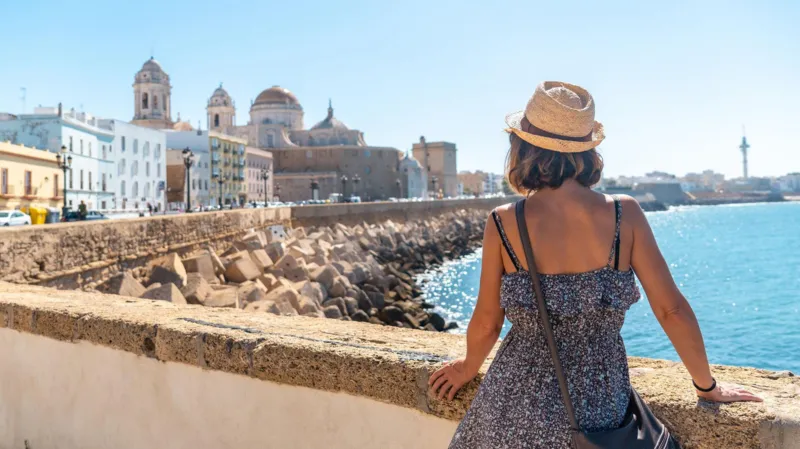
Meanwhile, Spain, Portugal, Greece, Cape Verde and the Caribbean are suddenly looking very attractive. Thomas Cook reported a 42% rise in Portugal bookings over the two weeks to 13 March — the biggest jump of any destination it tracks. The Balearic Islands were up 40% and the Canary Islands up 16%. Premium travel firm Kuoni saw Caribbean bookings rise by a fifth and Italy bookings surge 55% compared to the same period last year. Search data from TravelSupermarket tells a similar story — searches for the Dominican Republic, Antigua, Cape Verde and Tuscany more than doubled in the first eleven days of March compared to the eleven days before that.
TUI UK and Ireland’s managing director Neil Swanson said travellers are gravitating toward “familiar, easy-to-reach” destinations, with particularly strong demand for the Caribbean — especially the Dominican Republic and Jamaica — as well as Phuket and Goa.
Not everyone has the luxury of simply switching, though. Natalie Kimber, 43, from Portsmouth, booked a July trip to Dubai and no longer feels comfortable going. But because her Emirates flights haven’t been officially cancelled, she’s stuck. Changing destination means losing £700 — money she says she isn’t even asking back, just the option to transfer to somewhere else. “We will just have to wait to see if Emirates cancel our flights,” she told the BBC. “I’ve been left in limbo.”

Natalie Kimber is booked to go to Dubai this summer but wants to change destination
The industry is also contending with a capacity crunch. Last year was already the busiest on record for UK flights, and 2026 was expected to top it. Flights were already running close to full before the conflict flared up. Manchester Airport Group, which runs Manchester, Stansted and East Midlands airports, said capacity has jumped from around 80% to nearly 90%, leaving very little room to absorb a sudden wave of redirected travellers. Passenger numbers at those airports are expected to run 10–20% higher than last year, with Dublin, Barcelona, Paris, Alicante and Copenhagen among the biggest gainers.
Adding to the pressure, oil and jet fuel prices have surged in the wake of US and Israeli air strikes on Iran. Qantas, Air New Zealand and Thai Airways have already confirmed fare increases. British Airways owner IAG said it had bought fuel in advance and expects to be shielded from short-term price rises — but others may not be so fortunate.
Destinations requiring connections through the Middle East — the Maldives, India and Mauritius among them — have taken the hardest hit, according to Dame Irene Hays of Hays Travel. Even so, she struck a measured tone, pointing out that the travel industry has weathered volcanic ash clouds, terrorism scares and a global pandemic. “People will always want to do” those destinations, she said. “I believe it will come back.”
For now, though, the priority for most British holidaymakers is straightforward: somewhere warm, somewhere affordable, and somewhere well away from all of this.

