

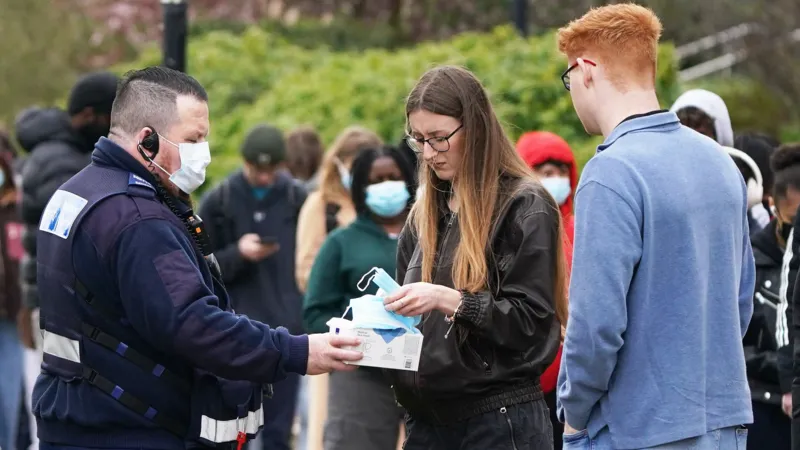
Britain is rolling out emergency meningitis vaccinations to thousands of university students in southeast England after an outbreak that health authorities are calling “unprecedented” killed two people and infected at least 20.
The two who died are a 21-year-old student at the University of Kent and a teenage student at a school in Faversham. All those affected so far are young people, according to the UK Health Security Agency, which has already administered around 2,500 doses of antibiotics across sites in Kent as an immediate containment measure.
The majority of cases have been traced back to the Club Chemistry nightclub in Canterbury, with most exposures occurring between 5 and 7 March. Six of the nine confirmed cases are group B meningitis — MenB — the strain now at the centre of the outbreak response. A baby with a confirmed MenB infection has also been identified, though health officials say that case does not appear to be linked to the main cluster.
A targeted MenB vaccination programme is now under way, initially targeting 5,000 University of Kent students living on the Canterbury campus. Health Secretary Wes Streeting described the scale of the outbreak as “unprecedented in its spread,” while stressing that the general risk to the broader population remains low in a typical year, England sees around 350 meningitis cases in total.
Pharmaceutical company GSK is in discussions with UK authorities about supporting the vaccination effort.
The speed of the response matters because vaccine protection isn’t instant. Lilith Whittles, an assistant professor at Imperial College London’s MRC Centre for Global Infectious Disease Analysis, explained that while the 4CMenB vaccine reduces risk by around 70–85% against vaccine-preventable strains, immune responses typically take one to two weeks to develop. That’s why preventative antibiotics for those already potentially exposed remain essential in the meantime, she said.
Part of what makes the current outbreak particularly challenging is that most university students of this age group are unlikely to have received the MenB vaccine Britain only began offering it to infants in 2015, meaning the current student population largely missed it.
Symptoms to watch for include fever, headache, rapid breathing, drowsiness, shivering, vomiting and cold hands and feet. Septicaemia — a life-threatening complication can also produce a distinctive rash that does not fade when pressed with a glass, which is considered a medical emergency.

