

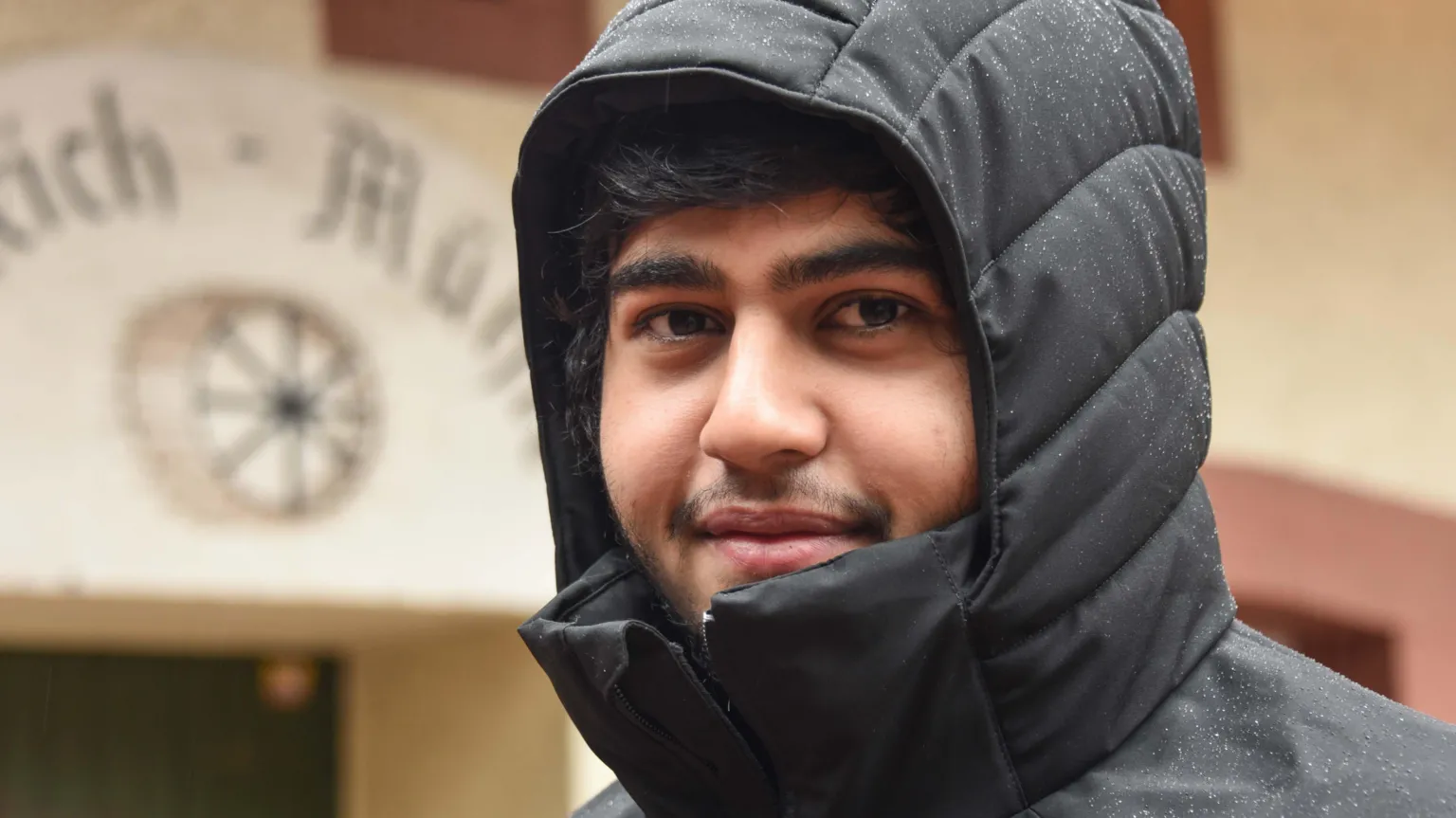
Ishu Gariya left India to work as a baker in Germany’s Black Forest, joining a growing wave of young Indian workers moving to Germany as the country faces a serious shortage of skilled labor. With many older workers retiring and too few young Germans stepping into apprenticeships, employers across trades—from butchers and bakers to carpenters—have struggled to fill positions.
For Handirk von Ungern-Sternberg, the process began with a simple email from India in February 2021: “We have lots of young, motivated people looking for vocational training—are you interested?” At the time, he worked at the Freiburg Chamber of Skilled Crafts, representing local skilled trades. Seeing desperate employers who couldn’t hire anyone, he decided to give it a chance.
The butchery trade, in particular, was struggling. From 19,000 small, family-run shops in 2002, only around 11,000 remained by 2021, and young Germans were avoiding apprenticeships. An employment agency in India, Magic Billion, recruited 13 young people who arrived in Germany in autumn 2022 to begin butchery apprenticeships in towns near the Swiss border, combining on-the-job training with college courses.
One of the apprentices, a 21-year-old woman, remembers the thrill of leaving India for the first time. She was driven by a desire to see the world, earn a higher living standard, and gain social security. Today, three years later, Von Ungern-Sternberg has left the chamber to co-found India Works with Aditi Banerjee from Magic Billion, aiming to bring more young Indian workers to Germany. The original 13 have grown into a network of 200 young Indians working in German butcher shops.
Germany’s demographic challenges are severe. According to a 2024 Bertelsmann Foundation report, the country needs 288,000 foreign workers annually to avoid a 10% workforce shrink by 2040. With a low birth rate and the retirement of baby boomers, Germany is turning to countries like India, which has a large population under 25 and a surplus of workers. India Works plans to bring 775 young Indians this year into trades ranging from road building to stonemasonry, mechanics, and baking.
The 2022 Migration and Mobility Partnership Agreement and Germany’s expansion of the skilled work visa quota for Indian citizens—from 20,000 to 90,000 per year—have made this movement easier. Official figures show Indian workers in Germany jumped from 23,320 in 2015 to 136,670 in 2024.
For the young Indians, the move offers better pay, career opportunities, and independence. Ishu Gariya traded a potential university degree in Delhi for early-morning baking shifts in the Black Forest, enjoying the financial support he can now give his family and the clean countryside air. Ajay Kumar Chandapaka, 25, left Hyderabad with a mechanical engineering degree to train as a lorry driver, finding it a more reliable path than searching for work in India.
German employers are feeling the impact. Joachim Lederer, a butcher who hired several Indian apprentices, says they’ve kept his shop alive. “I wouldn’t be in business today without India,” he says. Even the mayor of Weil am Rhein, Diana Stöcker, is turning to India for workers, including two young men to work as kindergarten teachers, recognizing that looking overseas is now the only way to meet the country’s growing labor needs.

