

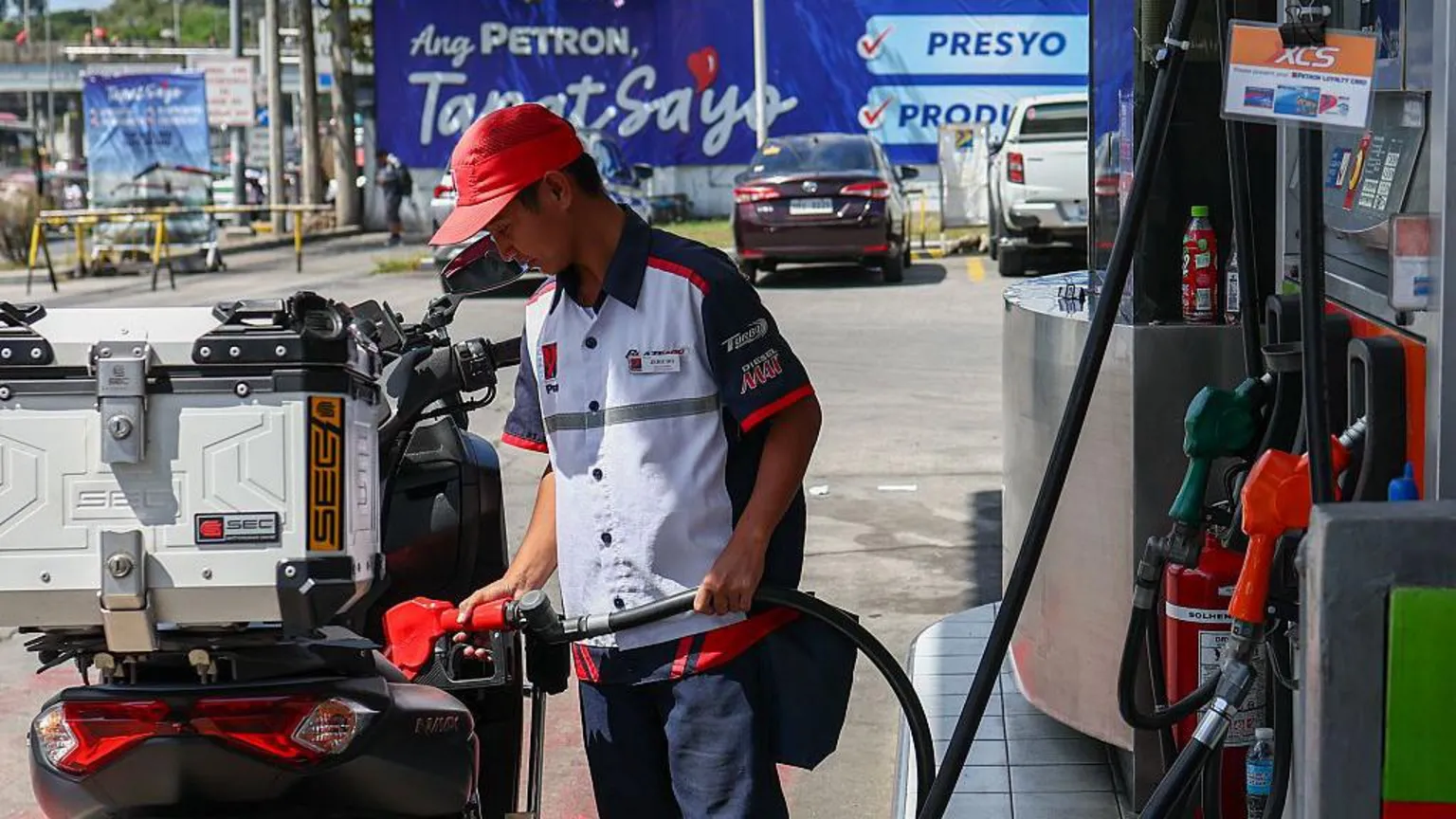
Philippine President Ferdinand Marcos has declared a national energy emergency, warning of deepening pressure on the country’s fuel supply as the war involving Iran continues to disrupt global oil flows.
In a televised address, Marcos tried to reassure citizens, saying the government is working urgently to secure new sources of oil and build up reserves. He announced plans to procure one million barrels to boost current supplies, which are estimated to last about 45 days. “We will have a flow of oil,” he said, stressing that the goal is steady, ongoing deliveries—not just short-term fixes.
The Philippines has been hit particularly hard because it imports about 98% of its oil, much of it from the Gulf. With the Strait of Hormuz effectively disrupted, fuel prices have surged, with petrol and diesel now costing more than double what they did before the conflict began in late February.
The emergency powers give the government broader control to stabilise the situation—allowing it to directly purchase fuel, manage distribution of essential goods like food and medicine, and respond more aggressively to the crisis. A special committee has also been set up to oversee these efforts. The declaration is expected to remain in place for up to a year.
Officials are even exploring diplomatic options, including working with the US to potentially import oil from countries currently under sanctions. At the same time, the country may lean more heavily on coal-fired power to offset rising costs of other energy sources.
But not everyone is convinced. Labour groups have criticised the move, calling it a sign the government acted too late and raising concerns about provisions that could limit workers’ ability to protest. Anger is already building, with transport unions planning a two-day strike over rising fuel costs and demands for higher wages and lower taxes.
Business leaders, however, have largely backed the emergency declaration, warning that the surge in energy costs is already affecting operations.
For many Filipinos, the impact is immediate and personal—higher transport fares, rising living costs, and growing uncertainty about how long the situation will last.

