

As the Middle East war enters its second month—disrupting global energy supplies and driving oil prices higher—China is stepping forward as a potential peacemaker.
The move comes as Donald Trump says US military action in Iran could conclude within “two to three weeks,” though there is still no clear plan for how that would happen or what follows.
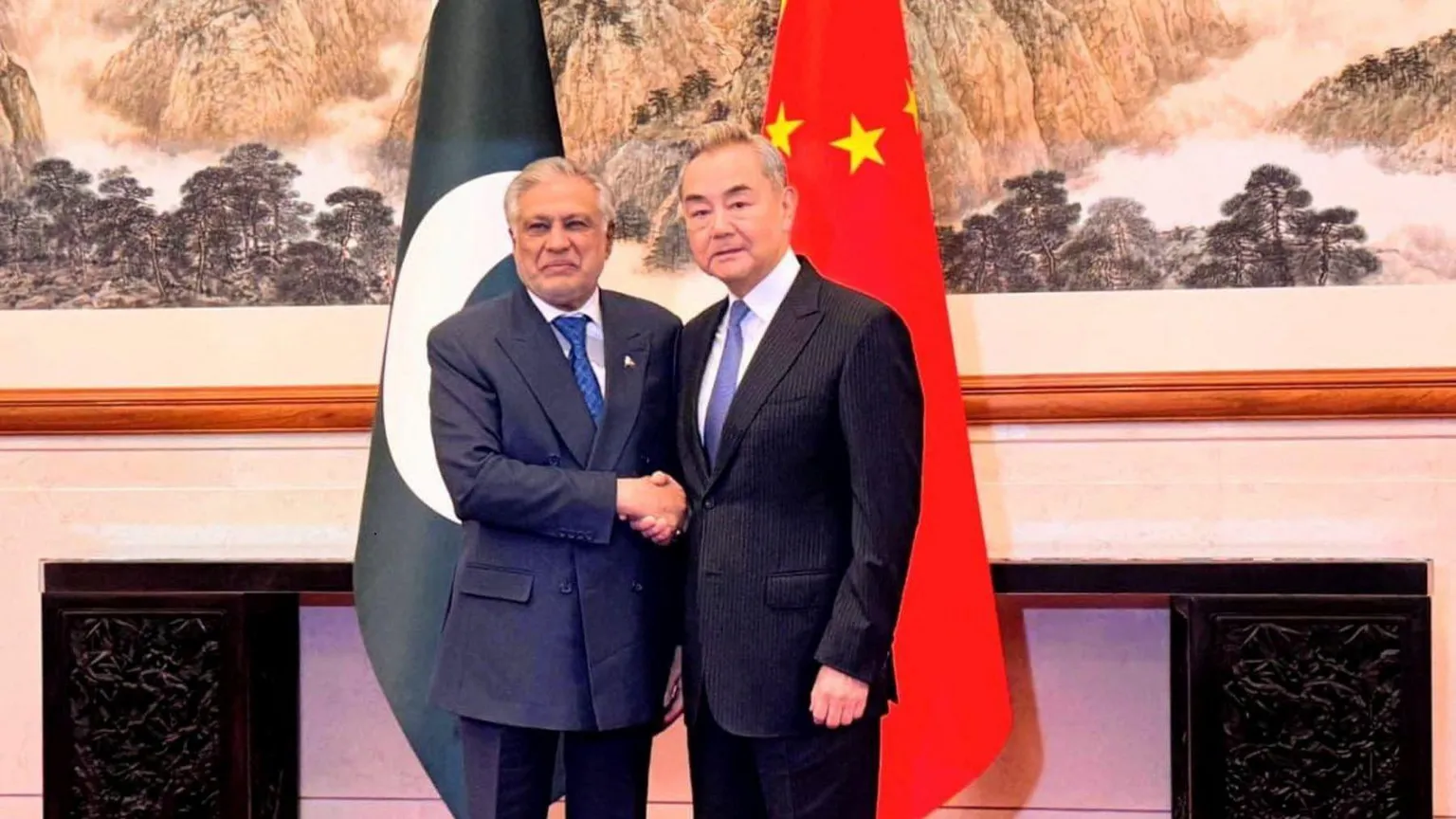
China has joined Pakistan, which has unexpectedly taken on a mediating role in the US-Israel conflict with Iran. Officials from both countries have proposed a five-point plan aimed at securing a ceasefire and reopening the critical Strait of Hormuz.
While Pakistan appears to have gained some support from Washington, China’s involvement signals a broader strategic move, especially ahead of upcoming talks between Xi Jinping and Trump.
Beijing’s backing is seen as significant, with experts noting that China is offering political and diplomatic support to strengthen Pakistan’s role in the process. This marks a shift from China’s earlier, more cautious response to the conflict.
The proposal came after Pakistan’s foreign minister visited Beijing to seek support, leading to a joint statement emphasising that dialogue and diplomacy are the only viable solutions and calling for the protection of key waterways.
China’s motivation goes beyond oil concerns. Although it has enough reserves in the short term, prolonged instability threatens the global economy—something Beijing relies on heavily as it works to strengthen its own growth.
Rising oil prices could impact China’s vast manufacturing sector, increasing costs across supply chains—from plastics and textiles to electronics and vehicles.
China has also built strong economic ties across the Middle East, maintaining relationships with both US allies like Saudi Arabia and partners such as Iran, which supplies a large share of its oil.
In the past, China has attempted to play mediator in the region, including brokering a 2023 agreement between Saudi Arabia and Iran to restore diplomatic ties, and hosting talks among Palestinian factions.
However, its influence has limits. Unlike the US, China lacks a significant military presence in the region, meaning its role is largely diplomatic and economic.
Ultimately, China’s push reflects its broader goal: maintaining global stability to protect its economic interests, while positioning itself as a key player in international diplomacy.

