

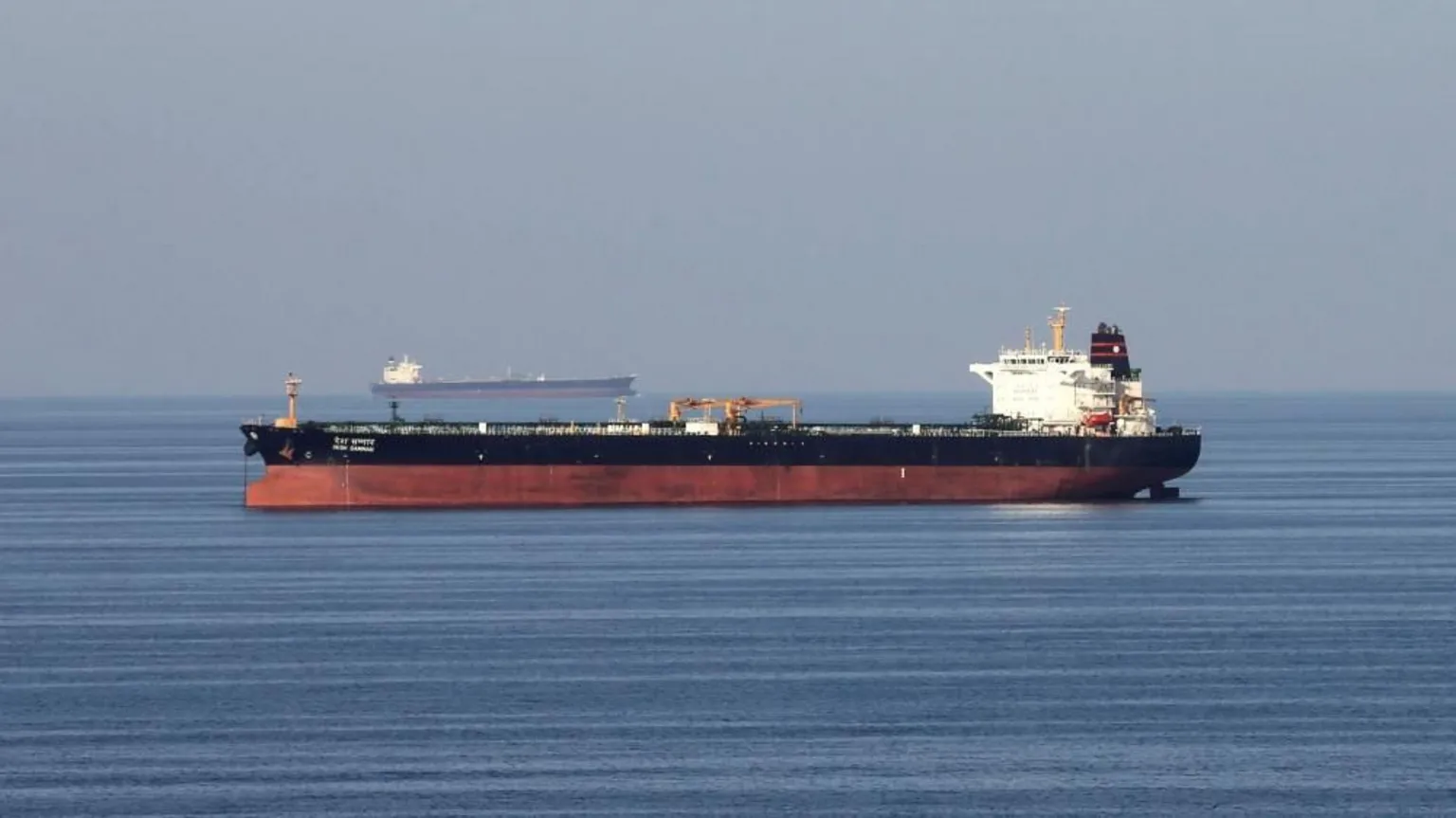
The Strait of Hormuz has become a major flashpoint in the ongoing conflict involving Iran, after tensions escalated following attacks by the US and Israel in late February.
Although there is no formal blockade, Iran has effectively restricted access to this vital shipping route, sending shockwaves through global energy markets. Around 20% of the world’s oil and liquefied natural gas (LNG) normally passes through the strait, meaning any disruption quickly pushes fuel prices higher worldwide.
The Strait of Hormuz is a narrow waterway connecting the Persian Gulf to the Arabian Sea. It is bordered by Iran to the north and by Oman and the UAE to the south.
At its narrowest point, it is just 33km wide, yet it handles massive volumes of global trade. Every day, roughly 20 million barrels of oil pass through it — amounting to hundreds of billions of dollars annually.
Major oil and gas producers, including Iraq, Kuwait, Qatar, Saudi Arabia, and the UAE, rely on this route to export energy to the rest of the world. Qatar alone ships a significant portion of the world’s LNG through the strait.
Why It Matters So Much
The importance of the Strait of Hormuz goes far beyond oil.
- About one-third of global fertiliser trade passes through it
- It is a key route for food, medicine, and technology imports into the Middle East
- It connects energy supplies to major global markets, especially in Asia
Countries like China depend heavily on oil that moves through this route. Because that oil fuels manufacturing, disruptions can raise the cost of goods worldwide — affecting everything from fuel to food prices.
Rather than a full shutdown, Iran has used threats and military pressure to discourage ships from passing through.
These include:
- Drone and missile attacks
- Fast attack boats targeting vessels
- Potential use of naval mines
Dozens of commercial ships have already been attacked or narrowly avoided strikes. As a result, shipping companies are avoiding the route due to safety risks and soaring insurance costs.
Traffic through the strait has dropped dramatically — by as much as 95% since the conflict began.
Global Impact of the Disruption
The consequences are being felt worldwide:
- Fuel prices have surged, especially in energy-dependent regions
- Asian economies are under pressure, with some countries cutting work hours and closing institutions
- African nations like South Sudan and Mauritius are limiting electricity use
- In Europe, countries such as Slovenia have introduced fuel rationing
Because energy markets are interconnected, disruptions in one region quickly ripple across the global economy.
Can Countries Avoid the Strait?
Some alternatives exist, but they are limited.
Saudi Arabia and the UAE have pipelines that bypass the strait, allowing oil to be transported overland. However, these routes cannot fully replace the volume normally shipped through Hormuz.
Even with these alternatives, global supply could drop by millions of barrels per day — keeping prices high and markets unstable.
Are Ships Still Passing Through?
A small number of vessels are still navigating the strait, often coordinating directly with Iranian authorities.
However, traffic remains extremely low compared to normal levels, with only a fraction of ships willing to take the risk.
The Bigger Picture
The Strait of Hormuz is one of the most strategically important chokepoints in the world. Any disruption there doesn’t just affect the Middle East — it impacts the entire global economy.
As tensions continue, the situation remains fragile, with the potential to escalate further if access to the strait is not restored.

